

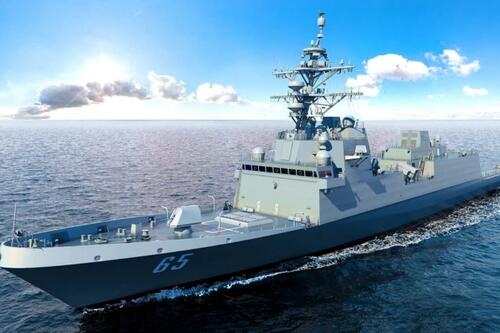
US Navy Drops Constellation-Class Frigate Program
Authored by Ryan Morgan via The Epoch Times,
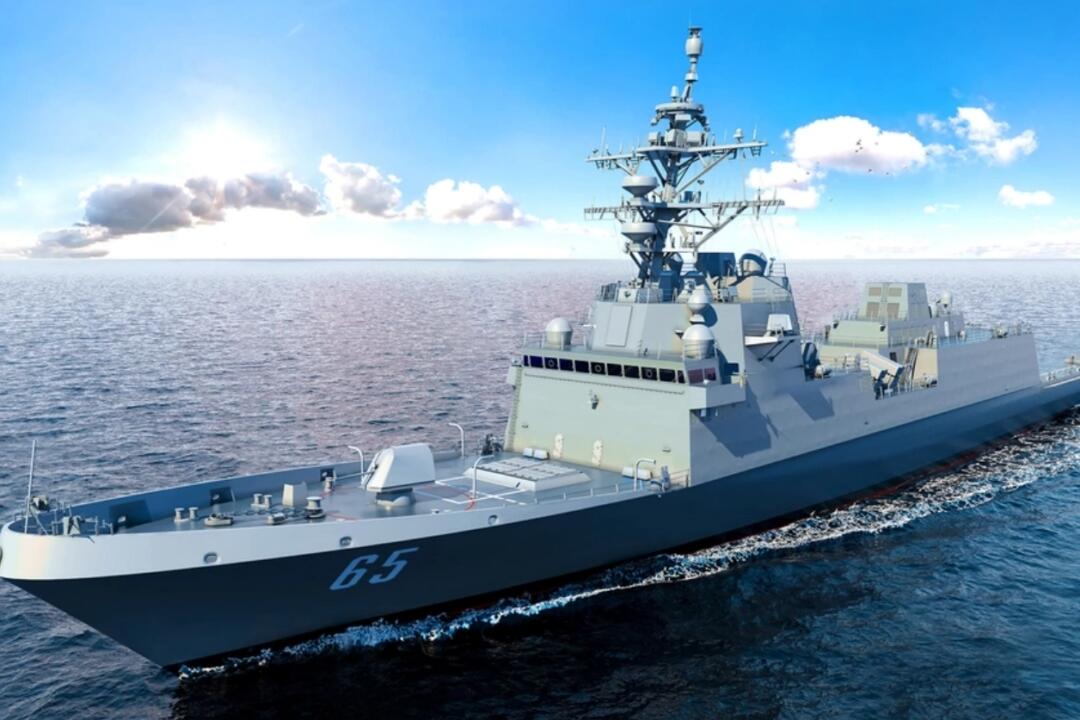
The U.S. Navy is pulling the plug on a new series of Constellation-class frigates, although construction will continue on the first two ships in the program.
Secretary of the Navy John C. Phelan announced his decision to cancel the program in a video message on Nov. 25.
“My job as secretary of the Navy is to be a responsible steward of the trust and resources the American people place in us, delivering modern, lethal, and reliable platforms that strengthen readiness and give our war fighters every advantage to deter, fight, and win,” Phelan said.
The move comes as the U.S. Navy’s shipbuilding efforts are falling behind China’s.
According to a March congressional report, the size of the U.S. fleet has ranged between 270 and 300 battle force ships since the early 2000s, despite a force-structure goal that calls for 355 battle force ships. China’s navy, by contrast, is expected to reach 395 ships by the end of 2025.
Phelan said the decision to cancel the Constellation-class frigates will be his first major public action to reshape the Department of the Navy.
Frigates are generally considered the smallest surface combatants, behind the medium-sized destroyers and larger cruisers.
Plans for the Constellation-class guided-missile frigate called for a warship with 32 vertical launch systems, capable of firing a variety of missiles, including Tomahawk land-attack cruise missiles and air-defense missiles. These frigates would also be equipped with 16 additional missile launch canisters.
Fincantieri Marinette Marine won the contract to design and build the Constellation-class frigates in 2020.
The Navy originally planned for 20 ships in the Constellation frigate program. Before the cancellation decision, the service had six frigates under contract, with two under construction.
Phelan said the Navy had reached an agreement with industry partners to cancel four Constellation-class frigates that had not yet begun construction. Construction on the first two ships in the class will continue, for now.
“We greatly value the shipbuilders of Wisconsin and Michigan,” the Navy secretary said. “While work continues on the first two ships, those ships remain under review as we work through this strategic shift. Keeping this critical workforce employed and the yard viable for future Navy shipbuilding is of foremost concern.”
In a statement addressing the changes to the Constellation-class frigate program, Fincantieri said it is expecting new shipbuilding orders from the Navy, guaranteeing work for Fincantieri employees.
“Entering into the future and in alignment with the Group’s industrial capabilities and potential, Fincantieri will support the U.S. Navy, as it redefines strategic choices in the Small Surface Combatants segment, manned or unmanned,” the shipbuilder said.

John Phelan at a Senate Armed Services confirmation hearing in Washington on Feb. 27, 2025. Anna Moneymaker/Getty Images
Frigate Program Faced Growing Concerns
In his video address announcing the decision, Phelan did not offer a specific reason why the Navy is canceling the Constellation-class frigate program. However, the program had faced mounting concerns over costs, construction delays, and whether the final product would be the right design.
A March report by the Congressional Research Service noted that the first frigate of the class, to be named USS Constellation, already faced an estimated three-year delay.
The design for the Constellation-class was based on an earlier design Fincantieri had prepared for European navies, known as the Frigate European Multi-Mission (FREMM) design. The March congressional report noted the Constellation-class design at one point had 85 percent commonality with the FREMM parent design but that alterations to the Constellation design had reduced that commonality to less than 15 percent.
Congressional researchers also highlighted disagreements over the number of vertical launch missile silos the new frigates would carry.
The March report noted that the original plan for the new frigates calls for a ship that’s about three-quarters of the size of the current Arleigh-Burke class guided-missile destroyers, while only carrying about a third as many missile silos as the destroyers. On the other hand, the March report noted that concepts for expanding the number of missile silos on the frigates from 32 to 48 would increase the cost per ship by between 1.3 and 2.2 percent.
Other shipbuilding projects have challenged the Navy in recent years.
In the 1990s, the Navy began pursuing a new class of stealthy destroyers, eventually settling on the Zumwalt-class destroyer. The program was originally set to include 32 ships, but the Navy truncated the class to just three ships in 2008, amid ballooning cost projections.
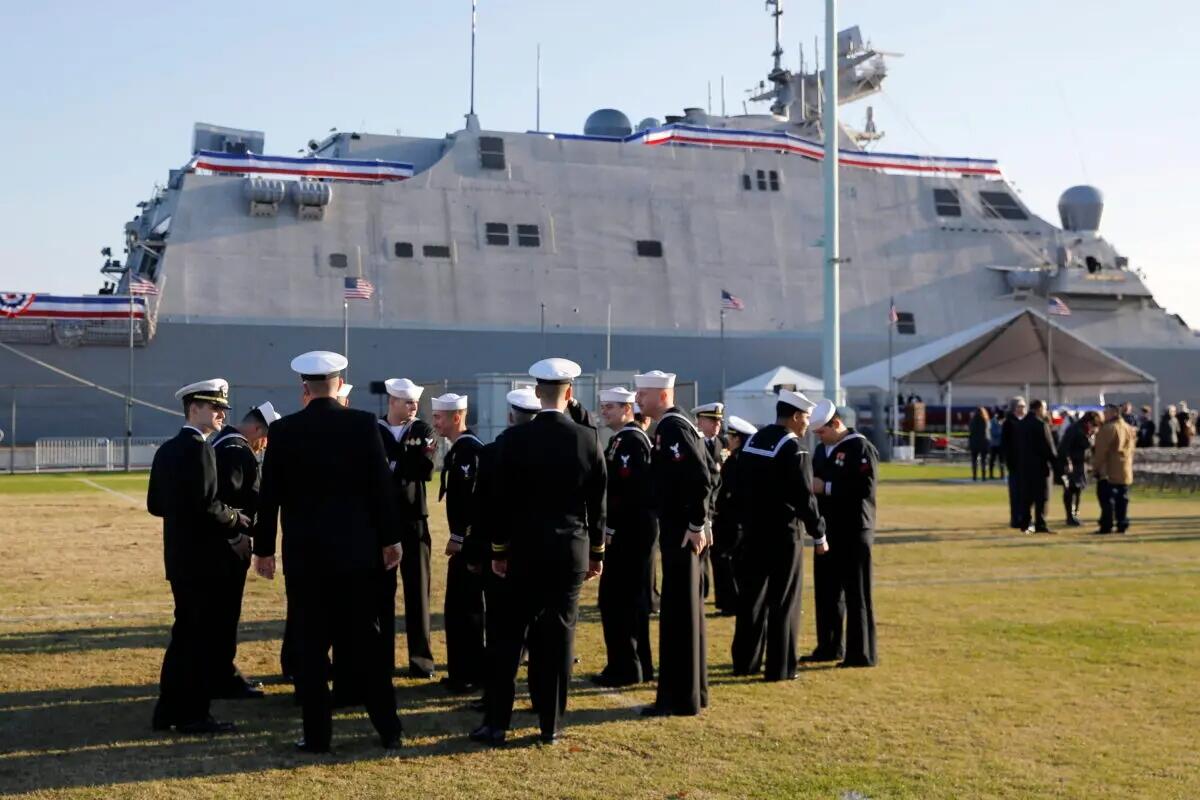
Crew members of the USS Sioux City, a Freedom-class littoral combat ship, gather before the ship’s commissioning ceremony at the U.S. Naval Academy in Annapolis, Md., on Nov. 17, 2018. Patrick Semansky, File/AP Photo
The Navy also began a Littoral Combat Ship program in the 2000s, based on two different designs, known respectively as Freedom-class and Independence-class vessels. A 2019 Congressional Research Service report noted that the littoral combat ship program has been troubled by cost overruns, design and construction issues, and questions about the survivability of the vessels in a combat scenario.
Although the first Littoral Combat Ships began construction in 2005, several have already entered early retirement.
Tyler Durden
Mon, 12/01/2025 – 17:40ZeroHedge NewsRead More



 R1
R1
 T1
T1


