


In 2024 I ran a telegram channel called ‘Zoomer’s Book Corner’ in which I essentially gave a short review of every single book I read. I can’t really remember why I stopped, I suppose I found it inconvenient to sit down and do it every time I finished a book since I read an awful lot.
Ever since I stopped I’ve been getting pestered to bring it back, especially recently for whatever reason! I figured Substack is the perfect medium to do just that, a little extra something for those of who you have kindly subbed to the channel and allow me to do this. I’m also genuinely interested in what you guys have been reading, so please do share what you’ve read each month in the comments too! I’ll make one of these every month from here on out.
Some of these will be far longer than others. December has been a busy month for me in which I only managed to get through six books, all of which were related to work. Earlier in the year I was able to get through well over ten a month at times. Anyway, here you go, my books for December and I figured I’d throw in November too since they’re still fresh.
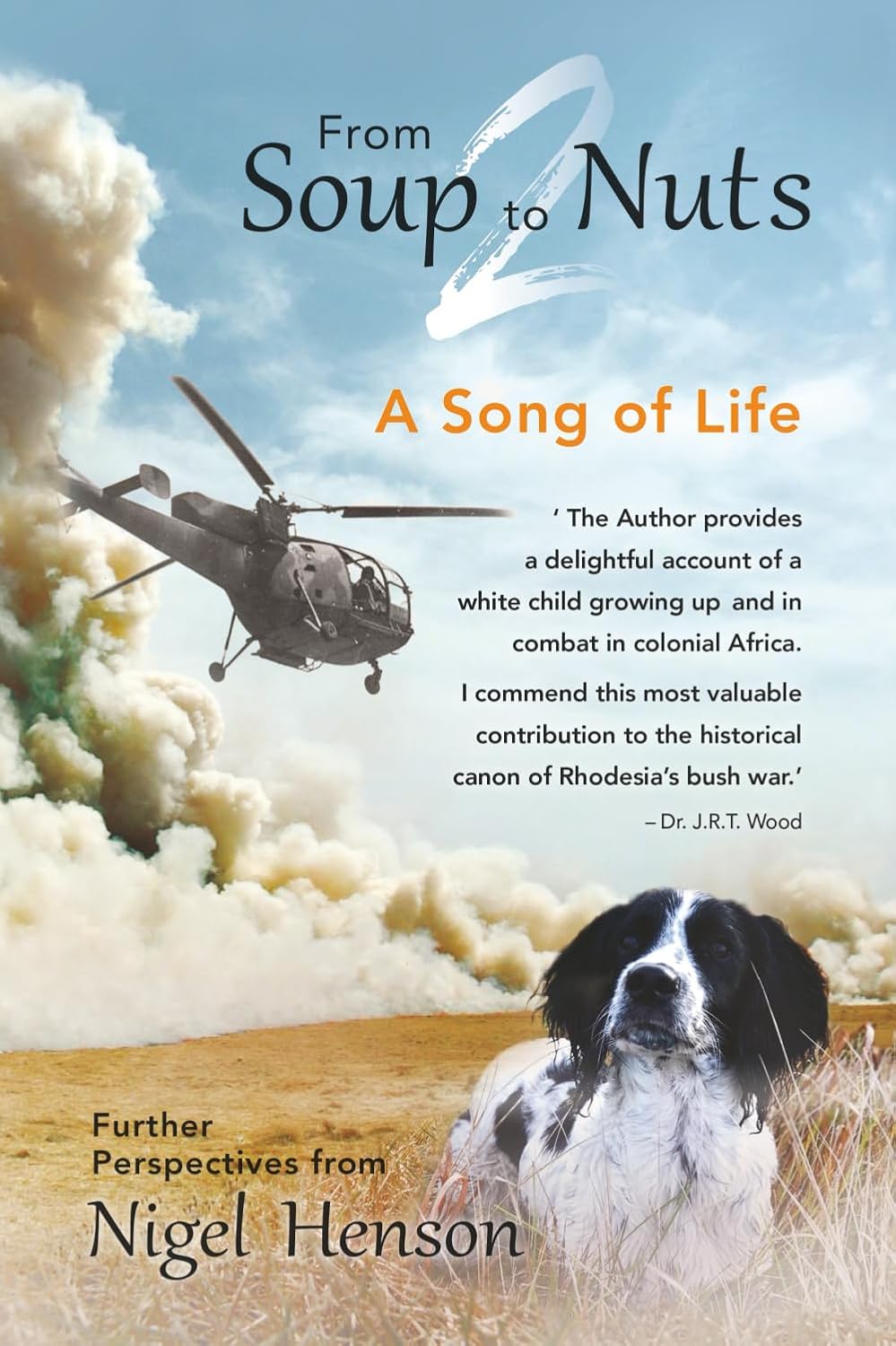
From Soup to Nuts by Nigel Henson
From Soup to Nuts is one of many Rhodesian war memoirs. Comprehensive books about the period are few and far between, but memoirs? There is a seemingly infinite supply. From Soup to Nuts was not one of the better ones I’ve read so far. The Rhodesian part of the book is extremely light on detail and he just seems to breeze over it despite it presumably being the only reason anyone would actually purchase the title. The author’s earlier exploits in the Middle East were actually covered properly and were a joy to read, being both funny and informative. The author himself comes off as a lovely fellow, but if you’re looking for Rhodesian war memoirs, this relatively short book with rather large text is not where I’d begin. I say all this, but the author released a much more comprehensive version of the book merely days after I purchased it (which is what the link above will direct you to), so maybe that’s better? The first version though? A very average quick read, although very funny.
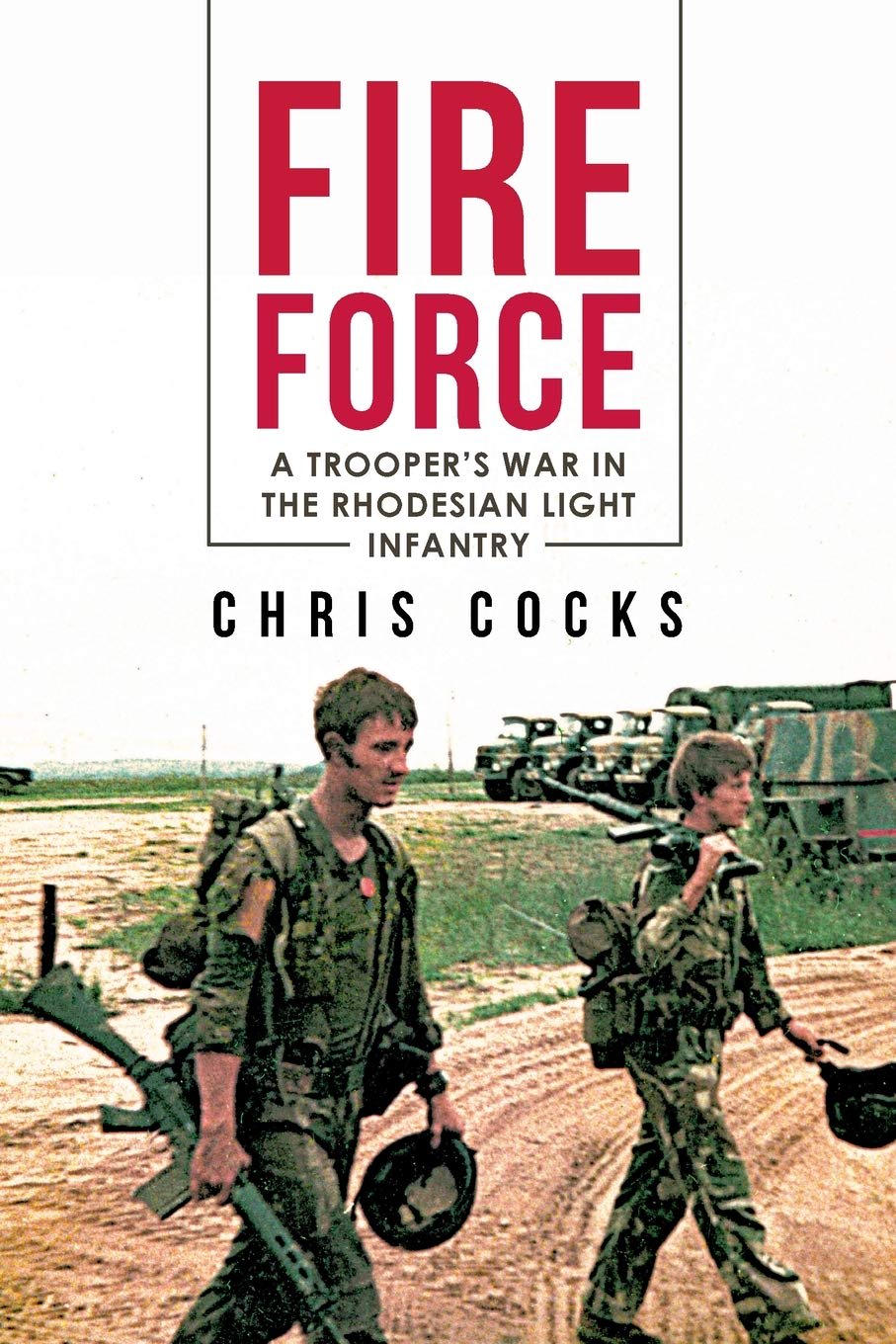
Fire Force by Chris Cocks
Fire Force is another Rhodesian war memoir (can you tell what the topic of the project is I’m working on?), this time one of the greatest. Cocks comes across as an incredibly relatable figure. If you live in any of the Anglosphere countries then you’ll know a dozen Chris Cocks types. Cocks very much tells his Rhodesian story without holding anything back. All of the characters, flaws and all, are brought to life. There is no idealism here, Cocks was far from some ideological crusader and doesn’t view his time through rose-tinted glasses and as a result does end up ‘telling it like it was’. I devoured this book very quickly and look forward to reading his follow-up book Survival Course soon. Can’t recommend enough if you’re looking into Rhodesia!
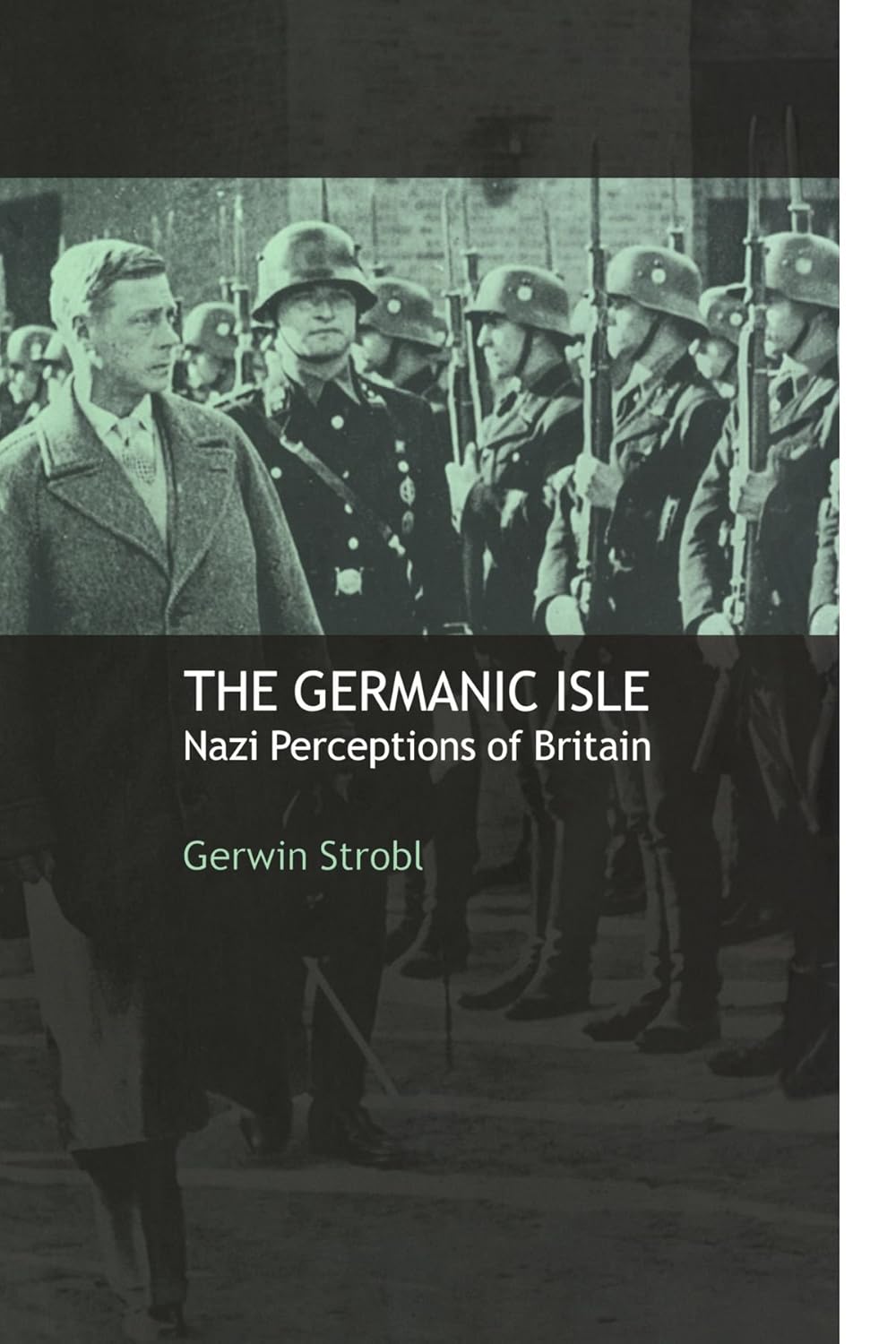
The Germanic Isle by Gerwin Strobl
The Germanic Isle is a unique little book. A lot is said about Hitler and the Germans in general when it comes to their views on Britain (usually nonsense), but very little has been written. This, though, is a comprehensive look at the German opinion of Britain right the way from the end of the Great War all the way up to the final days in the bunker. The views of Hitler, his inner circle and German society as a whole are all covered as well as the German propaganda campaign against Britain when the war was underway. One of the best books I’ve read this year, can’t recommend it enough, especially if you’re some some kind of Anglo chud who wants to hear how based the Germans thought Britain (often mistakenly) was and especially her Empire.
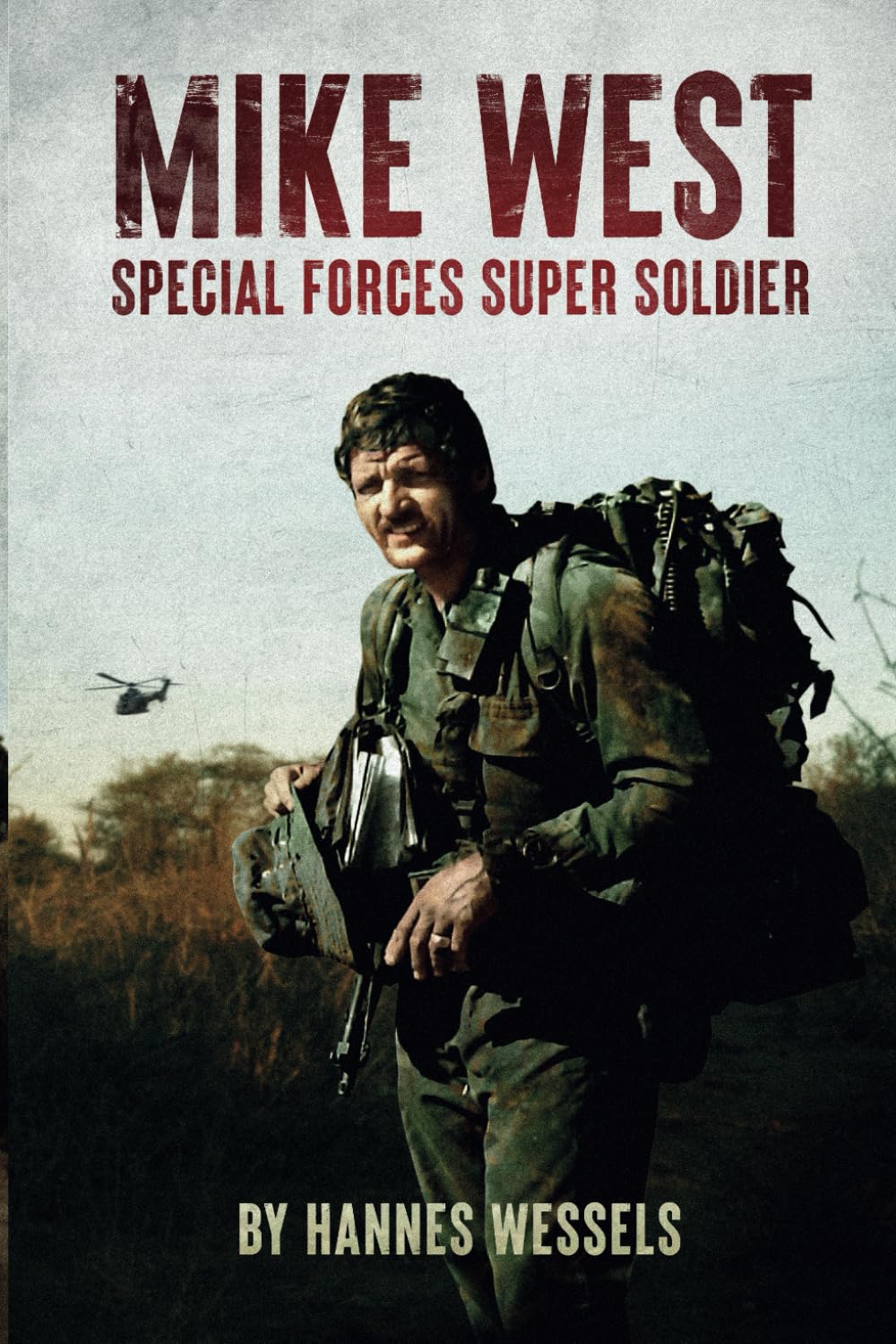
Mike West: Special Forces Super-Soldier by Hannes Wessels
Mike West: Special Forces Super-Soldier is one of many books by Hannes Wessels on Rhodesia, his most famous being A Handful of Hard Men. I didn’t really get much from this book, to be perfectly honest. The book is almost entirely just Mike West being quoted talking about his life and half of it is him ranting about the world, how wrong everyone else is, how much of a pussy everyone is, how hard done by he is and what a hard bastard he is. It gets a little jarring, although it’s understandable given his horrifying upbringing. Mike West is presumably like marmite, I imagine you’ll come out either loving or hating him. His recollections of his early life, his time in Rhodesia and then his time in the South African Defence Forces are put across in an understandable way for new readers and he, like Cocks, tells it like it is, even more so in his case. A very blunt and miserable man but also an extremely impressive one. It’s a decent enough memoir. Pretty average but not something I’d put in a Rhodesian ‘must read’ list.
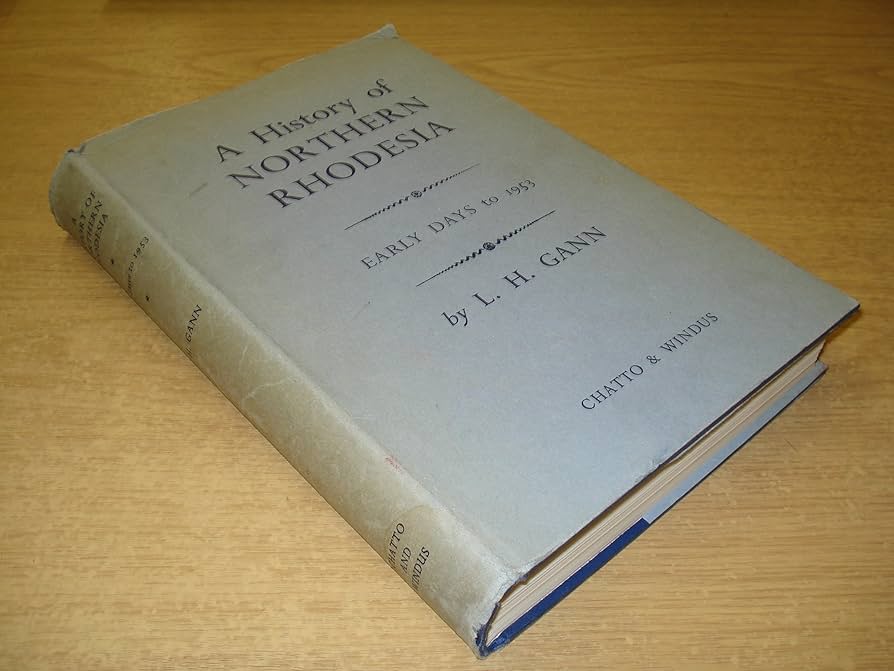
A History of Northern Rhodesia by L.H. Gann
Gann has a few books relating to the Rhodesias, all of which I’ve found incredibly useful in making my series on the topic. There is a decent amount of books about Southern Rhodesia (or later just Rhodesia then Zimbabwe), although usually out of print but not hard to find. Northern Rhodesia (now Zambia) has far less by comparison and Gann’s A History of Northern Rhodesia has been instrumental for me when it came to covering the short lived Federation of Rhodesia and Nyasaland. I find it highly unlikely that any of you would find yourselves being particularly interested in Northern Rhodesian history, after all, there is so little to tell as the colony wasn’t so much a ‘white man’s’ country like Southern Rhodesia was as things turned out. If it weren’t for the project I’m working on then I wouldn’t have read this book, but, regardless, I did very much enjoy it and it was highly informative.
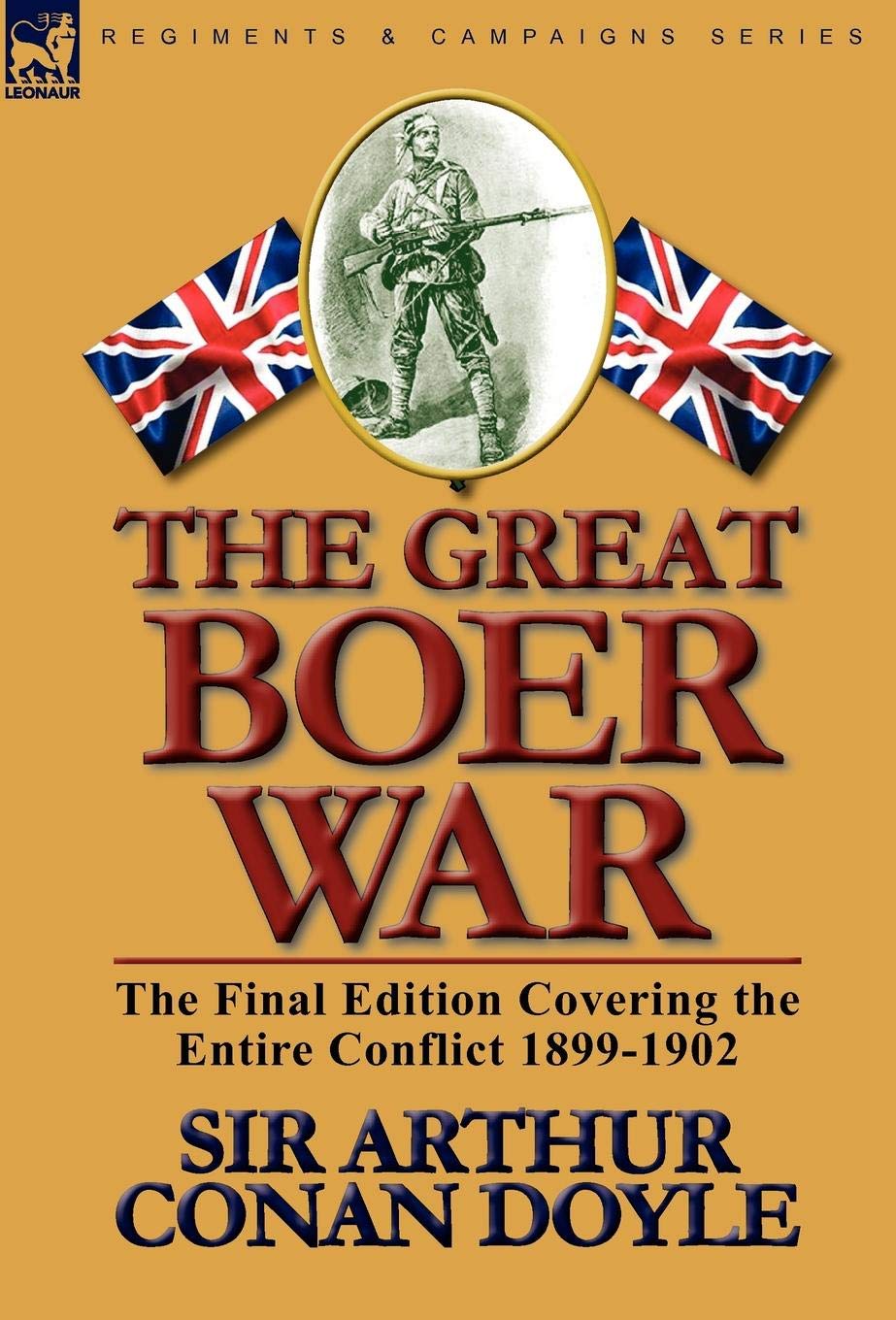
The Great Boer War by Sir Arthur Conan Doyle
I was reading Rhodesia Served the Queen by A.S. Hickman earlier in the year which covers the Rhodesian experience in the Boer War and he frequented quoted and made mention to The Great Boer War by Sir Arthur Conan Doyle. Doyle is far more famous for being the creator of Sherlock Holmes and therefore his fiction books. I was unaware his book on the Boer War existed and so I felt I had to read it, perhaps it might even give me something of use for my own project, I thought.
First of all, the book is extremely bias, like, ridiculously so, so if you do read this you should know going in that it’s essentially British apologia, although it was written at the time of the Boer War, so I suppose that’s quite natural. You can tell where the bias sets in anyway and for the most part the author isn’t giving his opinion, so it’s easy to look past.
You’ll read a lot of names, places and events that most won’t be familiar with and when the guerilla warfare phase of the war is covered you’ll be tying your brain in knots trying to get a coherent narrative out of what you’re reading, although I suppose that’s not particularly the author’s fault, it was a confusing time.
All in all, though, the book is a decent read for newcomers to the topic, especially in the first half when the conventional phase of the war is covered. The author, as you’d expect given his track record, has an excellent way with words and keeps things very engaging.
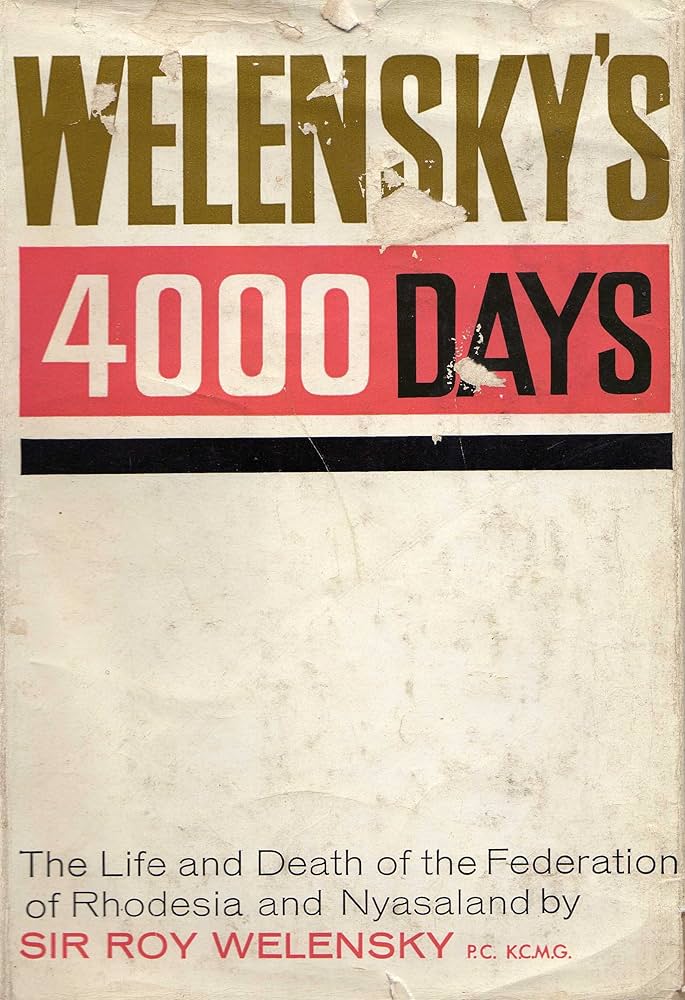
Welensky’s 4000 Days by Sir Roy Welensky
This really was a joy to read. Before the more famous story of Ian Smith and Rhodesia there was the story of Sir Roy Welensky and the Federation of Rhodesia and Nyasaland. This short lived scheme was, as the name suggests, the Federation of both Northern and Southern Rhodesia (now Zambia and Zimbabwe respectively) as well as, at the insistence of the British Government, the Protectorate of Nyasaland (now Malawi). The British Government would betray the Federation much as they would betray Rhodesia.
Welensky’s 4000 Days should be read before Ian Smith’s The Great Betrayal, the former very much serving as a natural prequel to the latter.
The Federation only ever had two Prime Ministers, first was Rhodesian hero Sir Godfrey Huggins who I talk much about in my series, the second was Sir Roy Welensky, a man with not a drop of British blood in his veins, the son of a Jewish Father and an Afrikaans Mother. Despite this he was staunchly pro-British and staunchly pro-White, this could also just be described as common sense at the time, given the circumstances.
Welensky fought hard for the creation of the Federation and equally as hard for it’s survival. He saw it as the only way for the Rhodesias to survive the tide of African Nationalism sweeping the continent. Every step of the way the British betrayed him again and again. It’s all very reminiscent of Smith’s story.
In general the book is quite easy to follow, even if you don’t know all that much about Rhodesian history. Welensky is a very sympathetic and sensible figure and you can tell how much he genuinely cares and how deep his disappointment was at the treatment of himself and the Rhodesian people at large.
Excellent book, well worth the read.
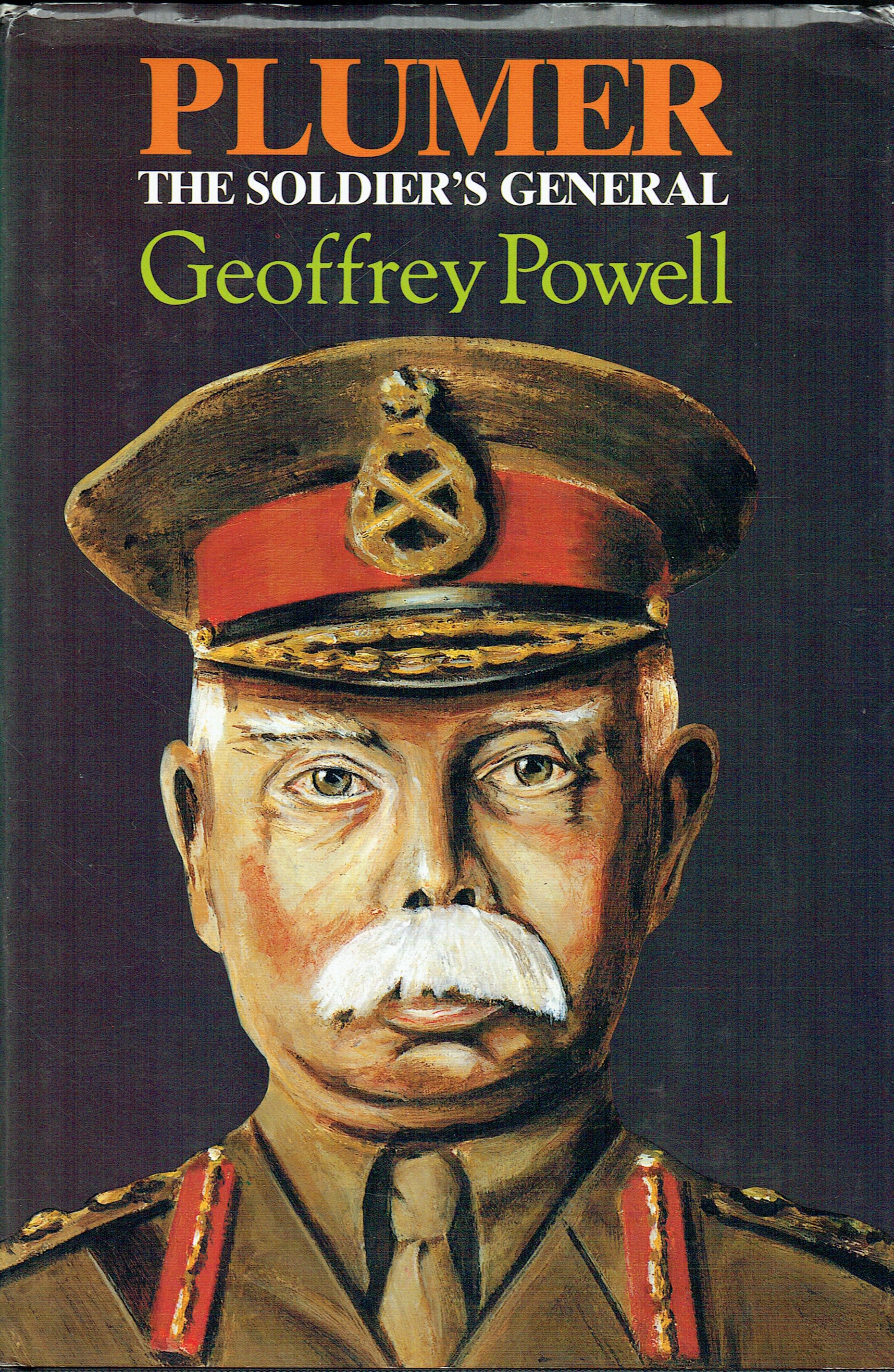
Plumer: The Soldier’s General by Geoffrey Powell
Whilst reading about the Second Matabele War and the Boer War I found the figure of (then) Colonel Plumer to be rather fascinating. He was a quiet man who didn’t grab the headlines yet one who his men recalled fondly as unique amongst commanders of his time. A kind man, one who genuinely cared about his troops. He was mentioned in passing as a minor character during the two aforementioned conflicts in my Rhodesia series but I wanted to learn more about the man so I picked up pretty much the only available biography on him, the other being a hagiography by a subordinate of his.
Plumer earned his fame in the First World War, again for again being a General who, rarely for the time, actually cared about the wellbeing of his men.
A rather niche figure, but, if you’re reading about any of the three conflicts mentioned above then it’s certainly worth picking this book up. A lovely little read, Powell really makes a lot out of very few sources considering Plumer had all of his papers burned and there wasn’t all that much to go on. An inspiring man and a fascinating life at a fascinating time for Britain and her Empire.
See you next month!
Zoomer HistorianRead More



 R1
R1
 T1
T1


