China Orders Domestic Firms To Stop Using US, Israeli Cybersecurity Software On ‘National Security’ Grounds
Chinese authorities instructed domestic companies to stop using certain US and Israeli cybersecurity software, citing national security concerns and the risk of sensitive data being transferred overseas, according to informed sources cited by Reuters on January 14.
Chinese officials, speaking through the sources – who spoke in anonymity – said the notice was issued in recent days and targeted software produced by roughly a dozen foreign firms.
The move affects Chinese companies operating across multiple sectors, although Reuters said it could not determine how many received the directive.
Among the firms named were US companies Broadcom-owned VMware, Palo Alto Networks, and Fortinet, as well as Israeli firm Check Point Software Technologies, according to the sources.
Those briefed said the concern is that the software could “collect and transmit confidential information abroad,” raising fears about foreign access to sensitive Chinese data.
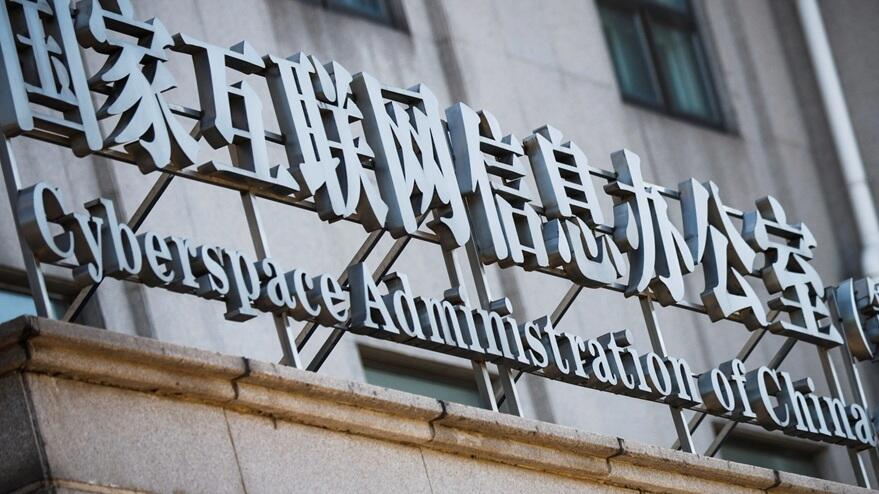
Neither China’s internet regulator, the Cyberspace Administration of China, nor the Ministry of Industry and Information Technology responded to requests for comment by the time of publication, while the companies named in the report also did not reply to Reuters’ inquiries.
The decision comes as Beijing continues efforts to reduce reliance on western technology. While much of that push has focused on semiconductors and artificial intelligence (AI), analysts cited by Reuters said authorities are also moving to replace foreign computer equipment and software.
Chinese analysts added that concerns have grown that western technology could be vulnerable to hacking by foreign powers, reinforcing Beijing’s drive toward domestic alternatives.
Back in October 2014, Chinese state-linked media reported that Beijing had ordered the phased removal of Microsoft Windows from government computers, citing security risks and mandating a shift toward domestic operating systems.
That policy, which followed an earlier ban on Windows 8, also extended to state-owned enterprises and reflected early concerns about reliance on foreign software for sensitive state systems.
The developments also reflect a wider backdrop of intensifying US–China rivalry, as Washington moves to counter Beijing’s expanding economic, energy, and technological footprint across West Asia, a region that has become central to China’s long-term strategic and infrastructure ambitions.
Tyler Durden
Thu, 01/15/2026 – 02:45ZeroHedge NewsRead More



 R1
R1
 T1
T1