A Year After Pardons, Freed January 6 Prisoners Tell Their Stories
Authored by Janice Hisle via The Epoch Times (emphasis ours),
A year ago, President Donald Trump pardoned nearly 1,600 people for “offenses related to events that occurred at or near the United States Capitol on January 6, 2021.”
That decision to issue the blanket pardon, in one of his first official acts as the 47th president, ignited controversy. It covered not only people who strolled through open doors of the U.S. Capitol, unaware they were trespassing, but also rioters who damaged property and assaulted police.
After the initial public backlash subsided, the pardoned—many of them newly freed from prison—began rebuilding their lives.
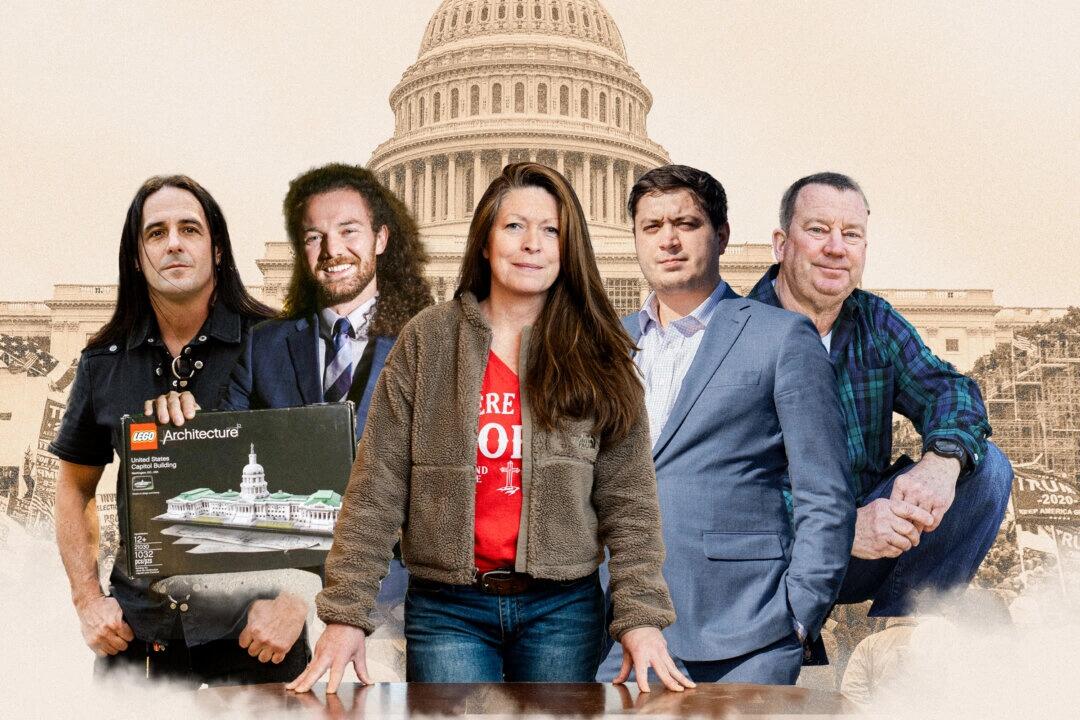
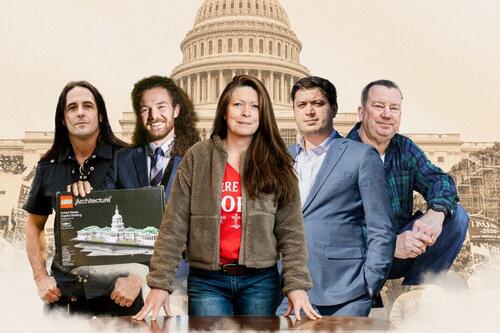
The Epoch Times interviewed five of those former Jan. 6 prisoners. Their consensus: Jan. 6 is one of the most-mischaracterized events in U.S. history, largely because records—and personal stories like theirs—have been ignored by most media outlets. They say the pardon was not a panacea. Some are still ostracized from friends and family. Others are still recovering from the financial setbacks.
All five believe they’ve been unjustly prosecuted and none say they regret their actions. Rather, the pardoned said they were proud to have stood up for the integrity of U.S. elections, Trump, and American values on that fateful day—despite the great cost.
Twists of Fate
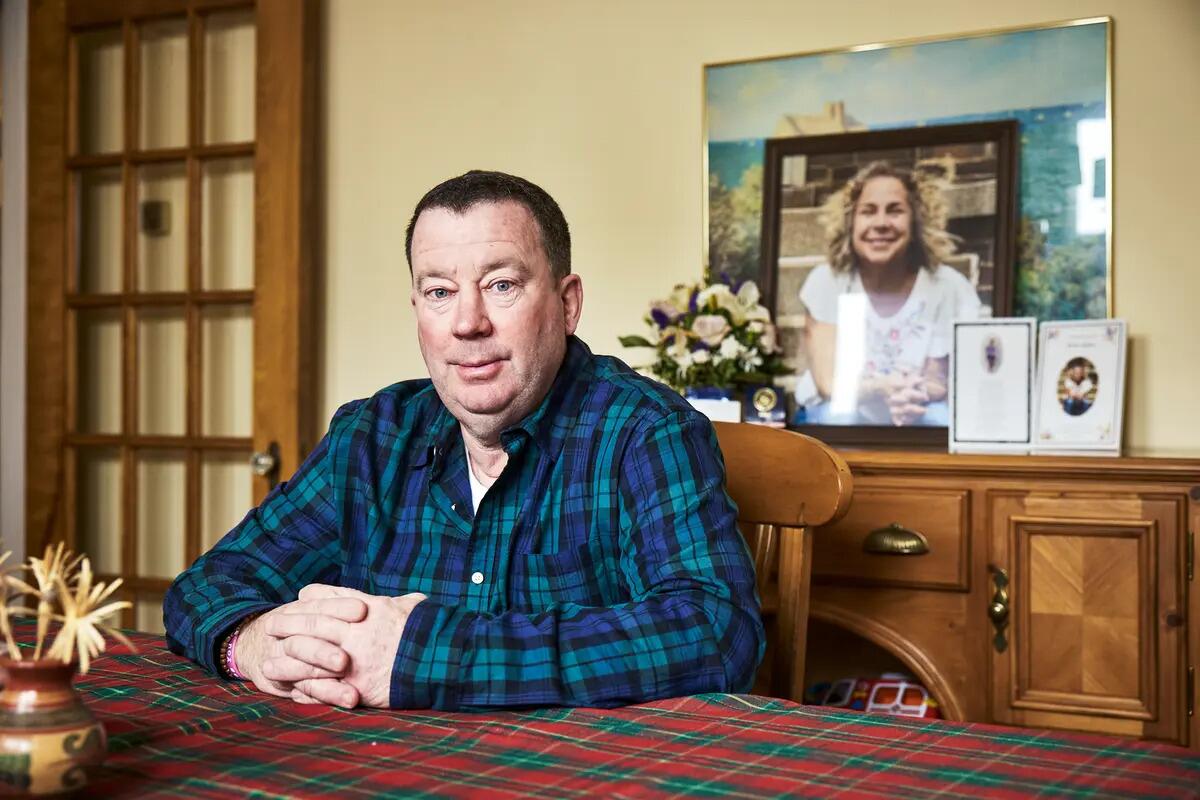
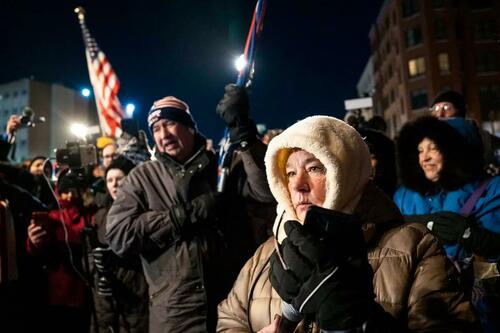
As Dan Leyden, 58, struggles to regroup after his wife died of cancer late last year, he remains in disbelief over the life-changing events that preceded that horrible loss.
Circumstances lined up and thrust him—a low-profile union electrician from Chicago—into the forefront of the Jan. 6 conflict in 2021.
At the last minute, he had decided to join his brother in Washington to watch “our favorite president” speak, possibly delivering his final big public speech as the 45th president.
But the brothers got separated from each other.
“Then I don’t see that speech, because the man next to me says, ‘Dan, would you walk with me to the Capitol?’ So I walked to the Capitol,” Leyden said, “And, from there, my life has turned upside-down.”
While he doesn’t want pity, Leyden—who injects many of his remarks with wry humor—used the word, “heartbroken,” to describe losses he has suffered.
First, his prosecution cost him the Chicago Park District job he had worked without a single complaint for 24 years.
Also, while beginning to serve a prison sentence that would have spanned three years, Leyden missed the birth of his first grandchild—“a gorgeous baby girl” who he now enjoys visiting.
Days after an overjoyed Leyden was pardoned and freed, he plunged into sorrow over the shooting death of Matt Huttle, 42, a Jan. 6 prisoner who became his friend while they served time in prison together. Stopped for speeding in rural Indiana, Huttle threatened to kill himself rather than face life behind bars again. As Huttle resisted arrest, an officer fatally shot him.
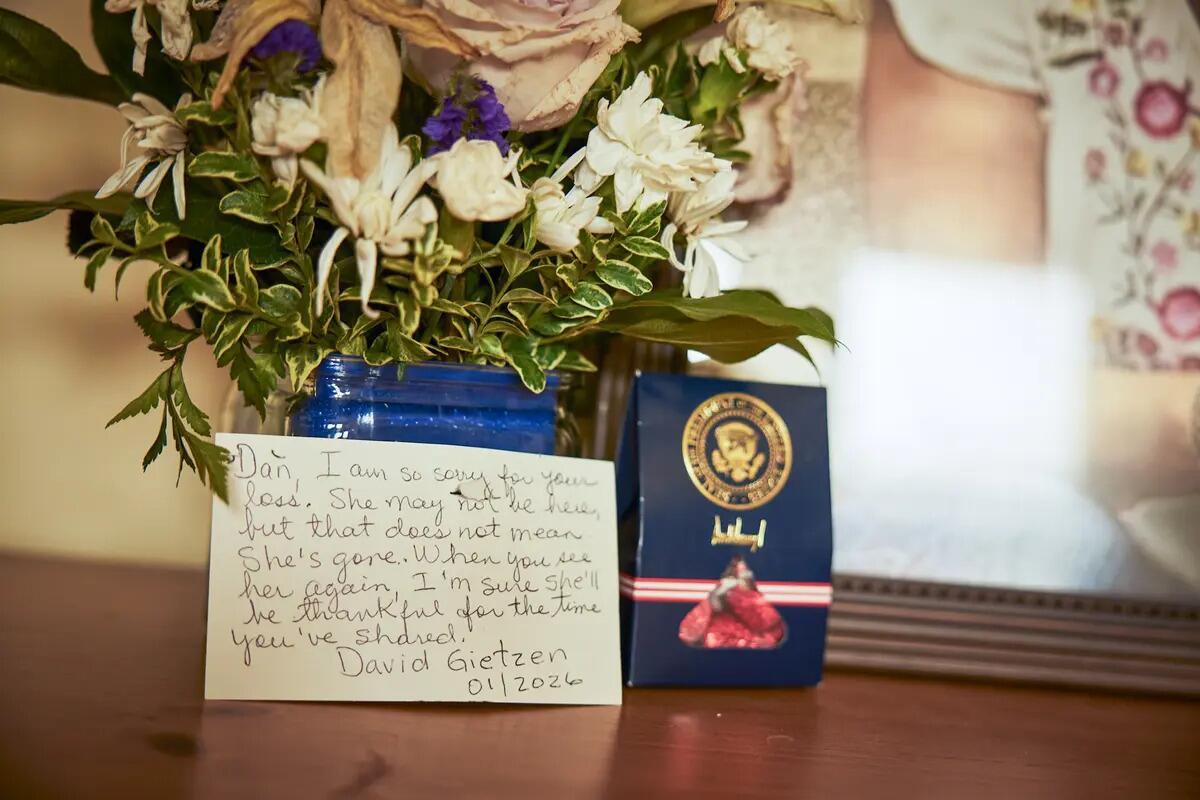
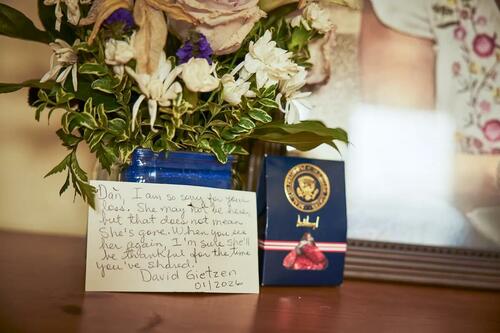
Worst of all, Leyden lost his wife of 27 years to cancer on Dec. 29 last year. That illness, which stress has been known to trigger, hit Linda Leyden shortly after her husband was freed. His incarceration had kept them apart for 15 months.
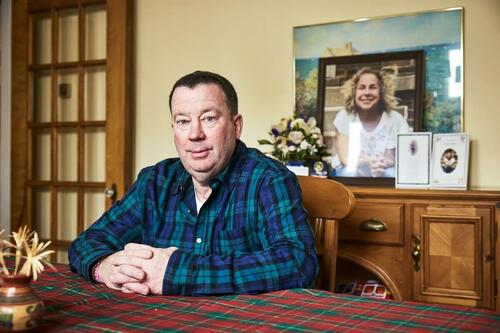
Leyden said his wife was known for her compassion. It was her idea to adopt two daughters from a Russian orphanage; they are now grown.
A lively woman, his wife ran marathons in major cities across the United States and as far away as South Africa before she died at 62.
Despite mourning her death, Leyden jokes about their contrasting lifestyles: “I don’t run unless somebody’s chasing me—and the FBI hasn’t been chasing me lately.”
With sarcasm, he disputes a label he and other defendants were given. “I was a very poorly trained ‘domestic terrorist,’” Leyden says, noting he showed up for the wintertime protest wearing a lightweight green flannel shirt over a T-shirt, and “cheap mittens from Walmart.”
Trump was scheduled to speak at The Ellipse, a park about two miles from Capitol Hill, following a series of other presenters.
But the speeches were hard to hear above the din of the crowd, broadcast over poor-quality loudspeakers.
And Leyden was shivering. It was windy; temperatures hovered in the 30s.
Unable to find his brother, Leyden headed toward the U.S. Capitol, hoping the walk would help him feel warmer.
After arriving at the U.S. Capitol, Leyden noted insufficient security; he ended up near a bike rack that functioned as a barricade. Photos show that Leyden was “pushing the barricade,” prosecutors said in a court record.
That’s a misrepresentation, Leyden said: “Did I lean on a bicycle rack? Yeah, I’m guilty.”
About 17 months later, the FBI descended upon his Illinois home. His wife was home alone with the family pets; she was terrified.
Leyden soon surrendered. He faced 29 years in prison, even though he never went inside the U.S. Capitol; neither did his brother, Joe, who was sentenced to six months.
Leyden’s wife urged him to take a plea, saying, “Can we get this nightmare over with?” His legal battle had cost $30,000, wiping out his savings, though he is not in debt.
Now after a year of freedom, he is awash in grief. He doesn’t know what direction his life will take. “I just wanna go walk my dog at the park; my best friend of 29 years is gone,” he said.
Spiritually, he has never given up. Leyden said he was “just knocked to the curb [and] got back up.” He is beginning to feel less ostracized and hopes to go back to union electrical work.
Many people’s lives have been devastated, too, he said, “all because of one day” that remains shrouded in questions.
“The American people deserve the truth,” he said. And that, he said, is worth fighting for.
Grateful, But Wants More Action
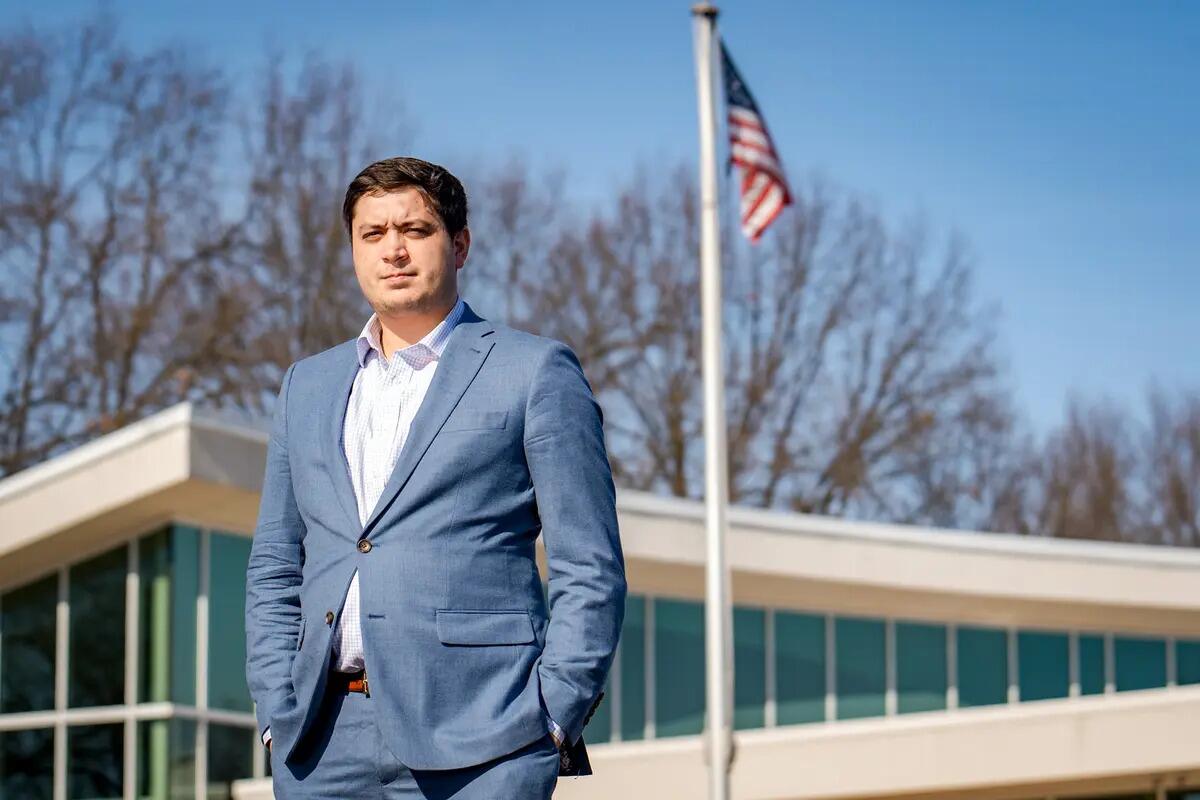
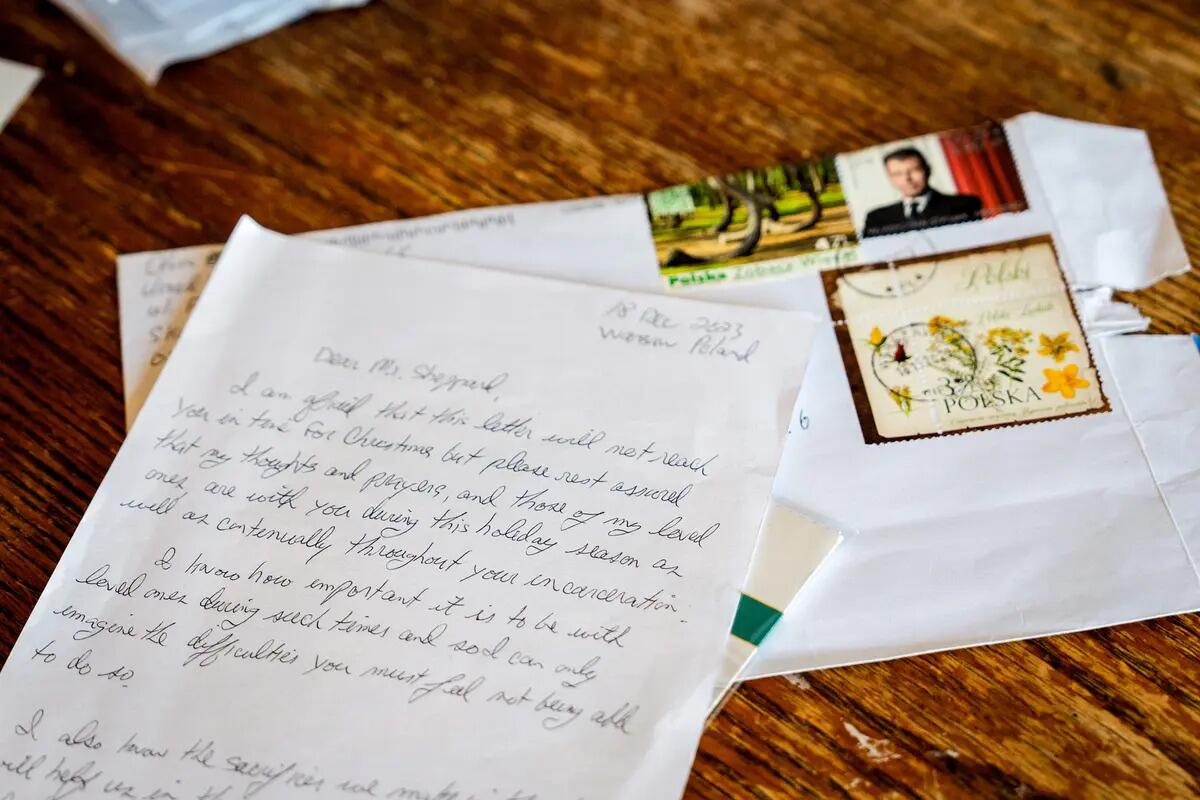
Like many former Jan. 6 defendants, Alexander Sheppard hoped that being pardoned would go a long way toward clearing his name.
It didn’t.
Many people still treat the ex-defendants “like we are totally inhuman,” Sheppard, an Ohioan, said.
Another once-maligned group has consistently shown respect. “I’ve had Vietnam veterans tell me: ‘Thank you for your service.’ It’s mind-blowing,” Sheppard said.
Also, people of faith have demonstrated compassion. “A lot of Christians have been praying for the Jan. 6 people,” Sheppard said. “I appreciate that more than anything.”
With those notable exceptions, Sheppard still feels ostracized. He blames “the mainstream media” for falsely labeling nonviolent people like him “insurrectionists.”
On Jan. 6, 2021, Sheppard was 21 and had just started his own company. His prosecution forced him to return to restaurant work; he shares living expenses with his brother. He recently quit the restaurant job in search of a better opportunity.
Sheppard made a last-minute decision to attend the Jan. 6 rally, mostly because he opposed COVID-19 restrictions and believed that the 2020 election was stolen.
He was among many who entered the U.S. Capitol through open doors—unaware that they were trespassing.
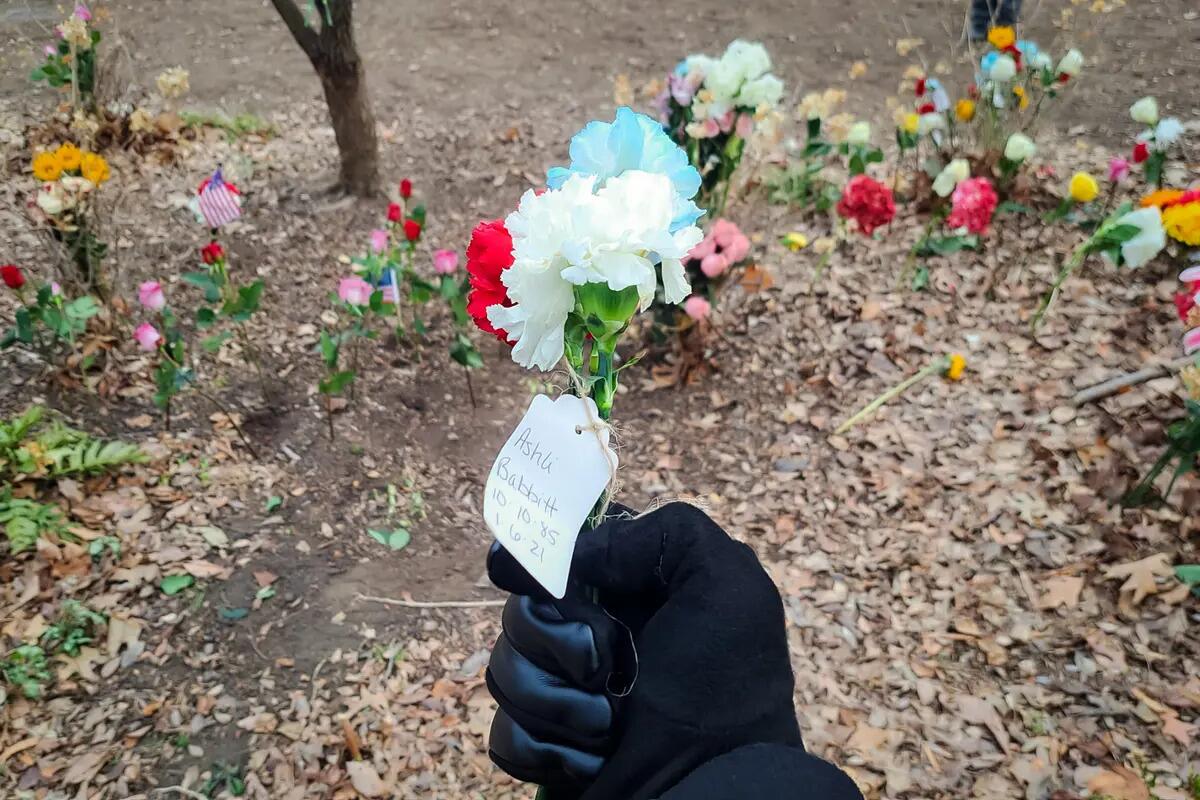
Fatefully, Sheppard happened to be nearby when a police officer fatally shot Trump supporter Ashli Babbitt—unwittingly making him far more noticeable.
Sheppard would like to put Jan. 6 behind him. But “another part of me is saying, ‘We can’t move on because the people who did this to me are the criminals,’” who should be held to account.
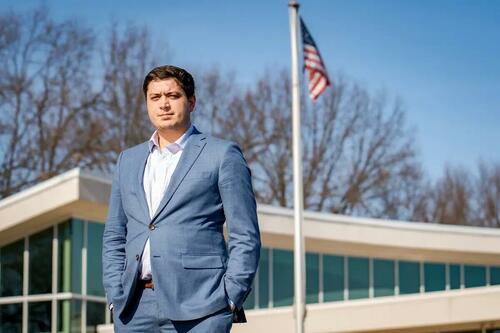
Sheppard believes the FBI and Justice Department should apologize and pay restitution, calling for federal trials to be televised to prevent unjust tactics from being used without scrutiny.
People would be stunned to learn what really happened during trials like his, he said. Not a single Republican sat on his jury in Democrat-dominated Washington, D.C.
Prosecutors presented five witnesses against him, and “every single one of them said they didn’t know me,” except for the FBI agent who tracked him down after Jan. 6, he said.
“There’s no victim to my ‘crime’ and there’s no witnesses—and somehow, I get convicted.”
Investigators never asked him about the fatal shooting of Babbitt—which Sheppard witnessed from about 10 feet away. U.S. Capitol Police Lt. Michael Byrd fired the fatal shot and faced no criminal charges.
Babbitt, a stranger to Sheppard, was shot as she attempted to climb through the broken window in a doorframe.
Although the presidential pardon didn’t produce the reputational boost Sheppard had hoped for, “I’m so grateful for the pardon; I’m so grateful that President Trump included every January Sixer.”
Because of a court ruling involving Jan. 6 prosecutions, a judge reduced Sheppard’s 19-month prison term to six months. Thus, he was released in May 2024. Still, he benefited from the pardon in January 2025; it restored his unblemished criminal record and removed restrictions he had faced.
Although he was represented by a public defender, Sheppard took a financial hit after the arrest and the ensuing prosecution.
“I am not completely broke because I have been working a job and keeping expenses relatively low, but I would have a lot more money if I didn’t endure four years of persecution from the federal government,” Shepard said.
He feels there is much unfinished business about Jan. 6.
“We need accountability for FBI agents and prosecutors and judges who let this go down, because, in my opinion, what they did to us January Sixers is … one of the worst human rights abuses and biggest stains on our country’s history,” Sheppard said.
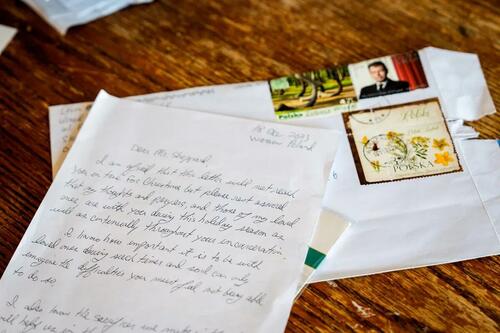
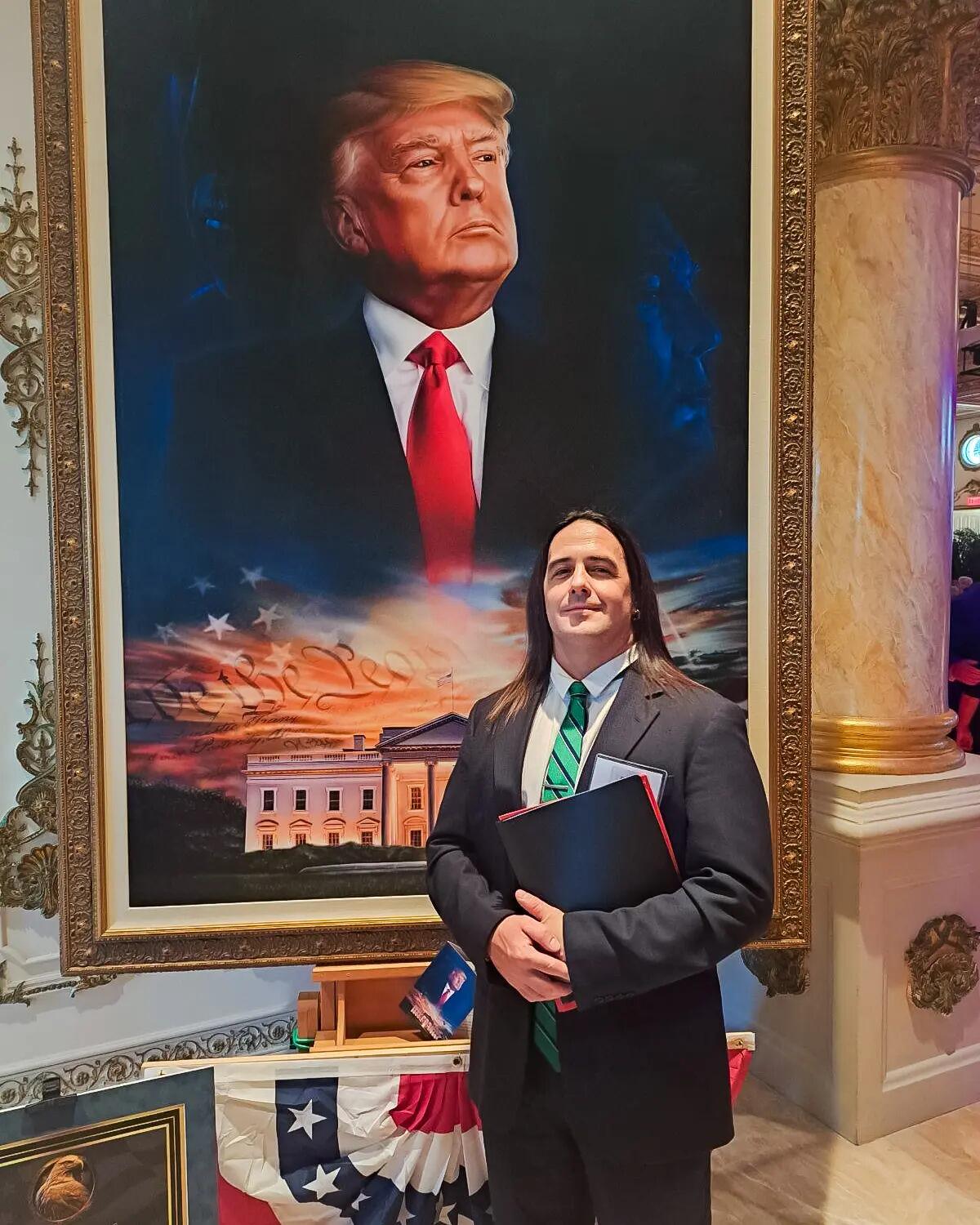
Curiosity Drove Him
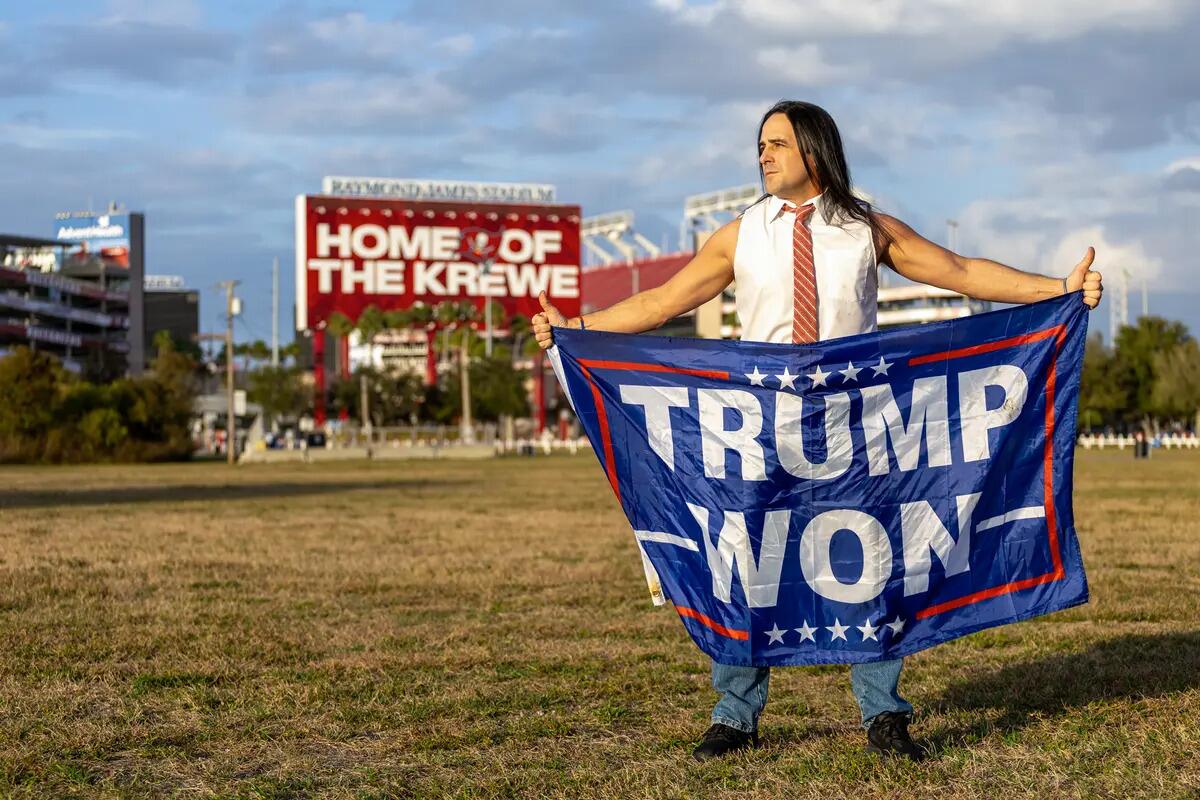
On an early February morning in 2021, in Tampa, Florida, Paul Hodgkins III awakened to the sound he had been dreading: an insistent, loud banging on his front door.
He knew the FBI had caught up with him for entering the Senate chamber of the U.S. Capitol on Jan. 6, six weeks prior.
Wearing only a towel around his waist, Hodgkins opened the door. An officer yelled for him to put his hands up. Hodgkins tried to comply while also attempting to keep the towel in place with his elbows.
“But he handcuffed me behind my back, and left me standing naked in my living room when they all came barreling in,” Hodgkins said, describing the humiliating circumstances of his arrest at his duplex.
At that moment, Hodgkins felt the weight of the federal government crushing him—later reinforced when he saw the words, “The United States of America vs. Paul Hodgkins” on legal paperwork.
Hodgkins, who had no prior criminal record, also gained unwanted notoriety that summer when he became “the very, very first person who was sentenced to prison” for the events of Jan. 6.
At a lawyer’s urging, he pleaded guilty to a single charge and was sentenced to eight months in prison.
Being the first-sentenced defendant “put all eyes on me,” Hodgkins said, describing “a lot of paparazzi” taking his photo at a Washington courthouse. Photographers from a publication based in the U.K. also staked out his neighborhood and snapped pictures of him.
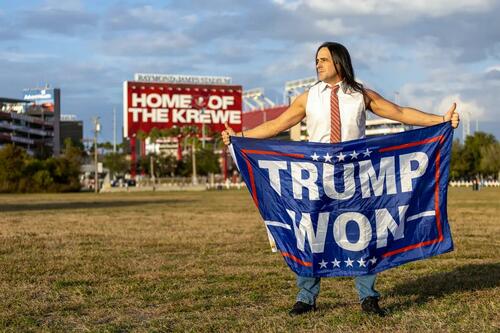
Hodgkins made a last-minute decision to catch a chartered bus trip to Washington for Trump’s rally on Jan. 6, 2021, spurred by fellow Trump supporters.
After hearing Trump’s speech, Hodgkins followed the crowd to the U.S. Capitol.
Curiosity drove him around to the rear of the Capitol building, and before he knew what had happened, he was inside the Senate Chamber, thinking he might be able to see some of the senators and “encourage them to audit this election.” He didn’t know they had been evacuated because the U.S. Capitol was breached.
At the time, he realized he might be “crossing somewhat of a line,” but thought that, at most, he could face a minor charge such as disorderly conduct.
“I didn’t think I would be getting slapped with felonies and prison time, right?” As he left the Capitol building, an uneasy feeling stalked him, especially after he learned about the shooting death of Babbitt.
Now 43, Hodgkins was among those who paid respects to Babbitt at a memorial service on the anniversary of Jan. 6 this year. He has gotten to know Babbitt’s mother, and still has a hard time watching any footage of the shooting.
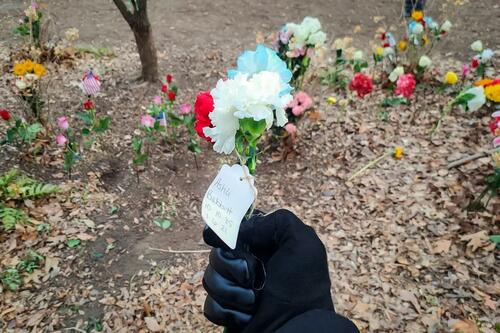
Besides losing his freedom, Hodgkins’ prosecution cost him his job, but he has been able to find another good job at a machine-motor service shop. He has “plenty of haters” online and has lost friendships over his Jan. 6 involvement.
“And, financially, yes, I was set back a lot by case, but I got back to work, recovered, and marched on. I work, and live comfortably on my own,” Hodgkins said. “I didn’t like my life being so damaged from it all, but I also take pride in how I survived and built my life back.”
Still, he says, “I do not regret that I stood up for President Trump at that time. I don’t regret standing up for my country when I know we were being wronged. I still to this day, I know for myself that the 2020 election was compromised, and I don’t regret confronting that.”
When Hodgkins briefly met Trump at a 2023 dinner, he got the notion that a pardon might follow if Trump won a second term in office. “It was a prayer answered” when the pardon came, clearing Hodgkins’ conviction. It is now framed and on display in his home alongside other Trump memorabilia.
He thinks the pardon will help his career aspirations. “And I’m hoping, you know, before I’m too old to do it, that I might find a wife and start a family. … Whether that does happen for me or not, you know, I have a very, I have a very blessed life.”
Ex-New York Officer Conflicted
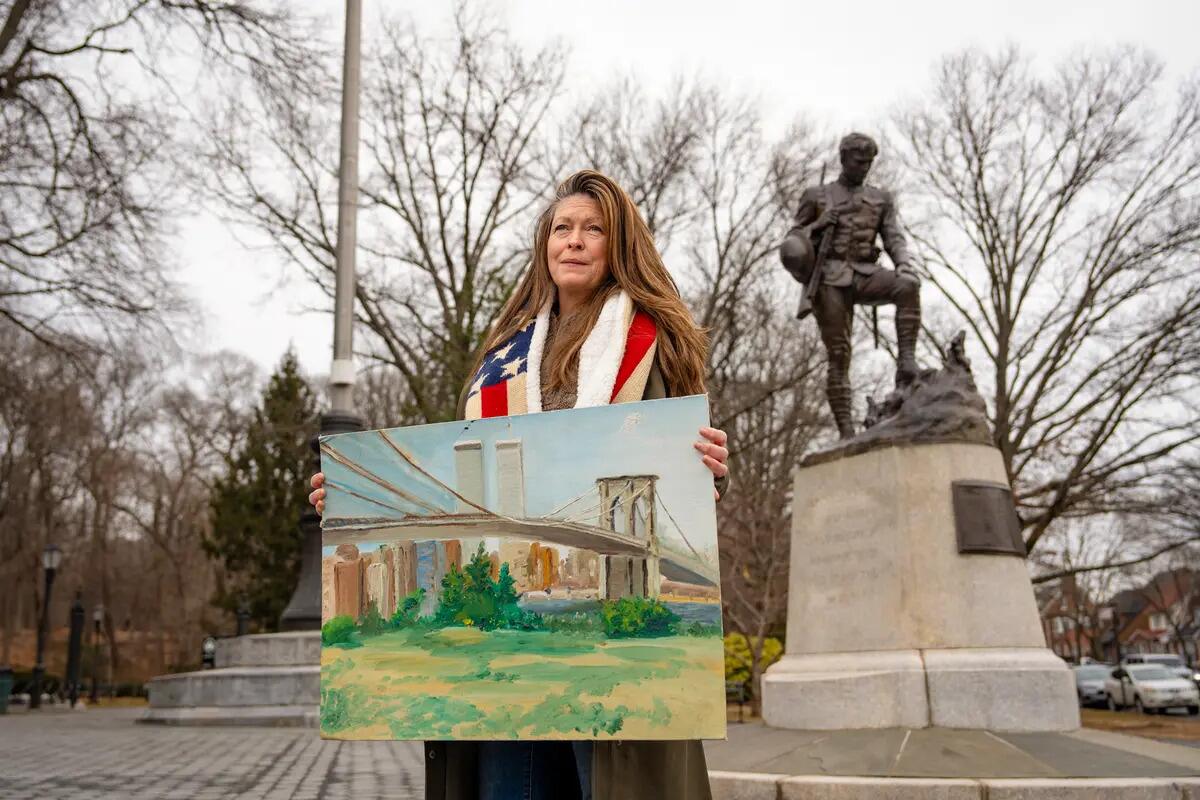
Being pardoned delivered sweet freedom. But for Sara Carpenter, it also left a bitter aftertaste. She believes the pardon signifies that she was absolved of crimes that she didn’t commit.
“My pardon looks great on paper,” Carpenter said. “And then I say, ‘Wait a minute. It should never have happened to begin with.’”
While she is grateful that the pardon led to her release about midway through a 22-month prison term, Carpenter had filed an appeal. She was hoping to have her convictions overturned, and “that’s why I didn’t want the pardon, in a sense,” she said.
She knows of other pardoned defendants who feel similarly conflicted. Like many of the pardoned, Carpenter alleges she was convicted in an unfair trial based largely on falsehoods.
“I didn’t get tried by a judge and jury,” she said. “I got tried by political activists.”
Carpenter was convicted of two felonies—civil disorder and obstruction of an official proceeding—and five misdemeanors.
As a retired New York City police officer, Carpenter was particularly offended when the Justice Department alleged she “slapped” officers’ arms.
She has publicly challenged anyone to produce a video proving that claim; none has surfaced, she said.
Carpenter, 56, admits she got riled up; she perceived police were stoking unrest, not quelling it. But she says her actions weren’t criminal.
“I don’t regret what I did,” she said. “I yelled. I raised my voice.”
As an officer who responded to the 9/11 terrorist attacks in New York City, Carpenter suffered lingering trauma that led to her retirement. It also affected her reactions on Jan. 6, she said; a suspected provocateur inflamed her when he compared Jan. 6 to 9/11.
Investigators initially treated Carpenter with some deference, she said. Dozens of Jan. 6 defendants worked in law enforcement, government, or military roles.
However, professional courtesies soon evaporated, Carpenter said. In March 2021, authorities raided her New York home, with a helicopter circling above.
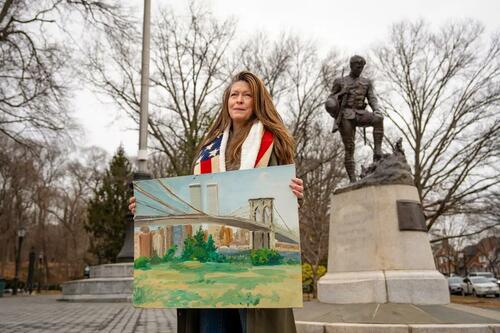
Post-pardon, Carpenter, a college-educated artist, is producing artwork “that brings out hope.” With encouragement from others who share “America First” beliefs, Carpenter also does public speaking about Jan. 6.
“The reason I keep talking is so they won’t get away with it,” Carpenter said, alleging unjust persecution of Jan. 6 defendants and coverups of evidence. “The truth is there. People are choosing not to see it.”
She would like to see history courses teach a balanced view of Jan. 6, so children become critical thinkers and evaluate “both sides of a story, not just one.”
Carpenter said her side of the story wasn’t adequately told in court. While prosecutors showed images of her yelling, they didn’t show her praying at the U.S. Capitol, said Carpenter, who comes from a devout Irish Catholic family.
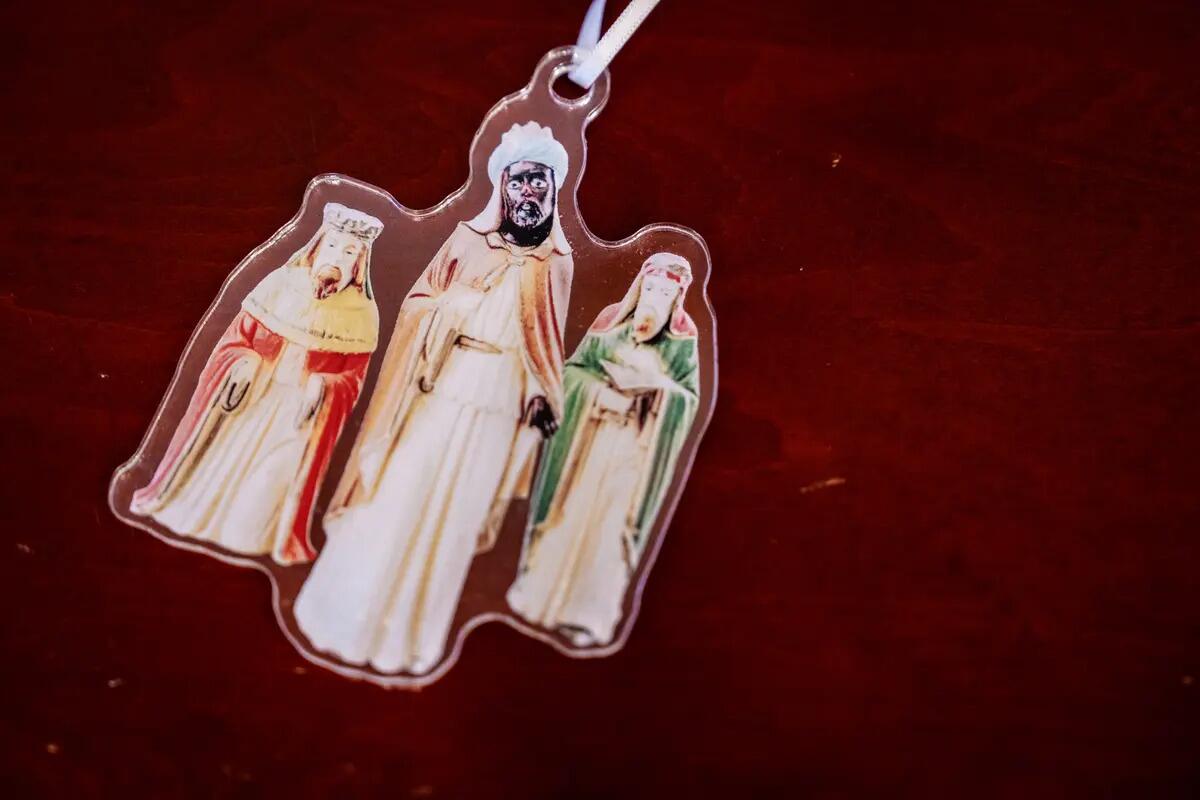
An item of religious significance was used as evidence against her: A trio of wise men figurines. “The three wise men are still being held hostage,” said Carpenter, who has made multiple requests for her personal property to be returned.
The figurines are antiques from her childhood Christmas displays, but where they are now is a mystery. Prosecutors presented them on the witness stand during her 2023 trial—an odd sight that dumbfounded her.
Carpenter says she likely took the figurines to the U.S. Capitol because Jan. 6 is the traditional date that the Vatican celebrates the Epiphany, the three kings’ adoration of the newborn Jesus.
The government’s use and retention of the figurines serve as a metaphor for many things about Jan. 6 that “make no sense,” she said.
“God was with me all the way and still is, because of my relationship with the Good Lord Jesus I have hope in the future,” Carpenter said. “My prayers are with those who did this to us and for Americans to speak up more to not accept being lied to by the past administrations, almost all of whom still hold positions in our government.”

The Lego Model
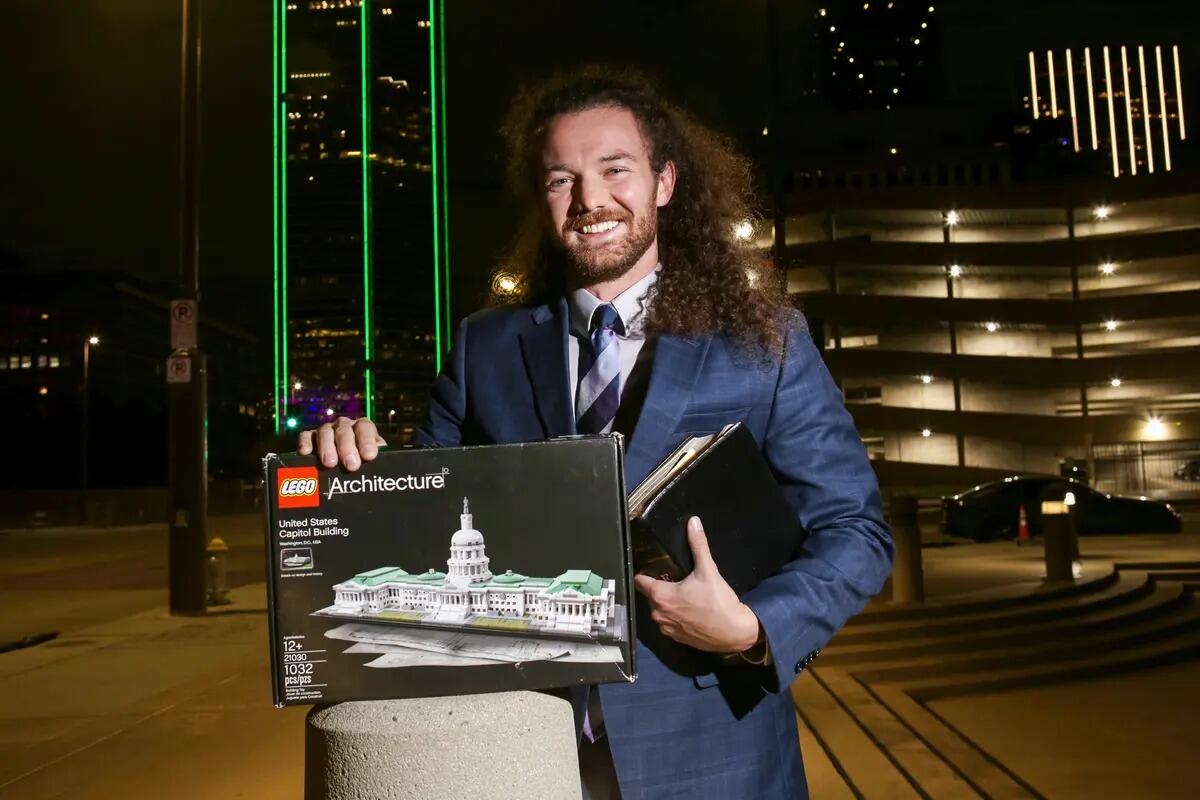
The FBI unwittingly created an internet sensation when agents seized an odd piece of evidence from the Pennsylvania home of Robert Morss: a Lego model of the U.S. Capitol.
Last June, on the four-year anniversary of his arrest, Morss received the Lego box back—empty.
“I think someone has a trophy on their desk somewhere in some federal building, perhaps … but, yeah, the legend continues, you know?” Morss said.
Even though the Lego set remains missing, Morss has embraced his internet-birthed nickname, “Lego Man.” For him, it has become symbolic of his rebuilt, post-Jan. 6 life.
Authorities accused Morss of interfering with police and assisting others in doing so, among other actions on Jan. 6.
Had he not been pardoned in 2025, Morss would have spent five-and-a-half years in prison.
He chronicles his three-and-a-half years behind bars in a new, 565-page book, “Still There: A Story of Survival and Penance in Prison Through the Eyes of a J6 Political Prisoner.”
Besides writing and publishing two books, Morss quit drinking alcohol. He strengthened his Christian faith. He became a public speaker. During one speaking engagement in Florida, he met the woman he intends to marry in April, Olivia Pollock, a fellow former Jan. 6 defendant.
“We realize just how profound it is to have a connection with somebody that has also suffered in a very similar way,” Morss, 32, said. “You know, who else could I be with that could relate to what I’ve gone through?”
It’s essential for people to continue speaking out about what happened on Jan. 6, he said, because “justice dies in the quiet.”
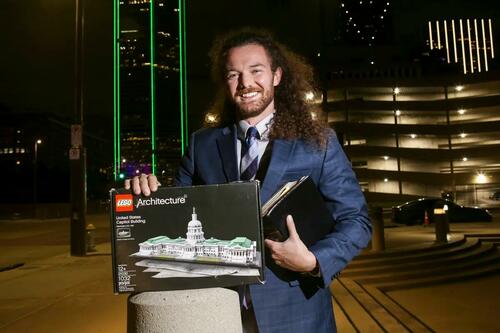
Using a variant of his “Lego Man” nickname, Morss has launched his own film production company in Texas.
LeggoMan Productions aims to create “movies that reinvigorate the next generation to want to keep this Republic,” Morss said. Although the films will be “gritty,” the stories will be told from a Christian perspective, he said.
Noting that the word, “Lego,” means “I assemble” in Latin, Morss says that sums up what he wants to do: “Assemble” people into a cohesive group. His company is growing, and he expects to hire additional staff—opportunities he wants to provide first to Jan. 6 defendants and veterans.
He is a former Army Ranger who served three deployments to Afghanistan. In addition to the Lego model, authorities seized military-related items and notes, along with clothing Morss wore to the Jan. 6 protest.
In court records, prosecutors described the Lego model as “fully constructed” when the FBI seized it. The government later corrected the record, blaming a “miscommunication” for the inaccurate description.
By listing the model of the U.S. Capitol as evidence, that suggests it could have played a role in Morss’s alleged Jan. 6 planning. Morss and internet commenters savaged that notion as preposterous.
Morss explains why a former girlfriend bought him the U.S. Capitol model: “She knew I was a history buff, and she knew I wanted to be a teacher, and she also knew that I loved Legos.” He propped up the box as a “decoration” at his home, until it was seized.
At a recent fundraising gala, Morss auctioned off other Lego U.S. Capitol models to benefit his production company. “Everybody wants one,” he said; and purchasers asked him to autograph the boxes.
Yet some of the pieces of his life can’t be put back together. His father and brother turned their backs on him. His uncle worked with private investigators to help turn him in to the FBI.
And despite the book sales and speaking engagements, he is still struggling financially.
None of the positive changes in his life would have happened without his faith, he said.
“The only way that I’ve been successful at any of this stuff is because I continue to give glory to God,” Morss said. “It’s like a secret recipe: The more you want to honor God with what you’re doing, the more you incorporate God into your life … things just seem to work out.”
He advises his Jan. 6 brethren: “Find a new mission that honors God and saves your country, and you’ll be okay.”
Tyler Durden
Mon, 01/26/2026 – 17:00ZeroHedge NewsRead More


 R1
R1
 T1
T1