


Trump Admin Refuses To Comply With Immigration Court Order
The Trump administration has drawn a line in the sand.
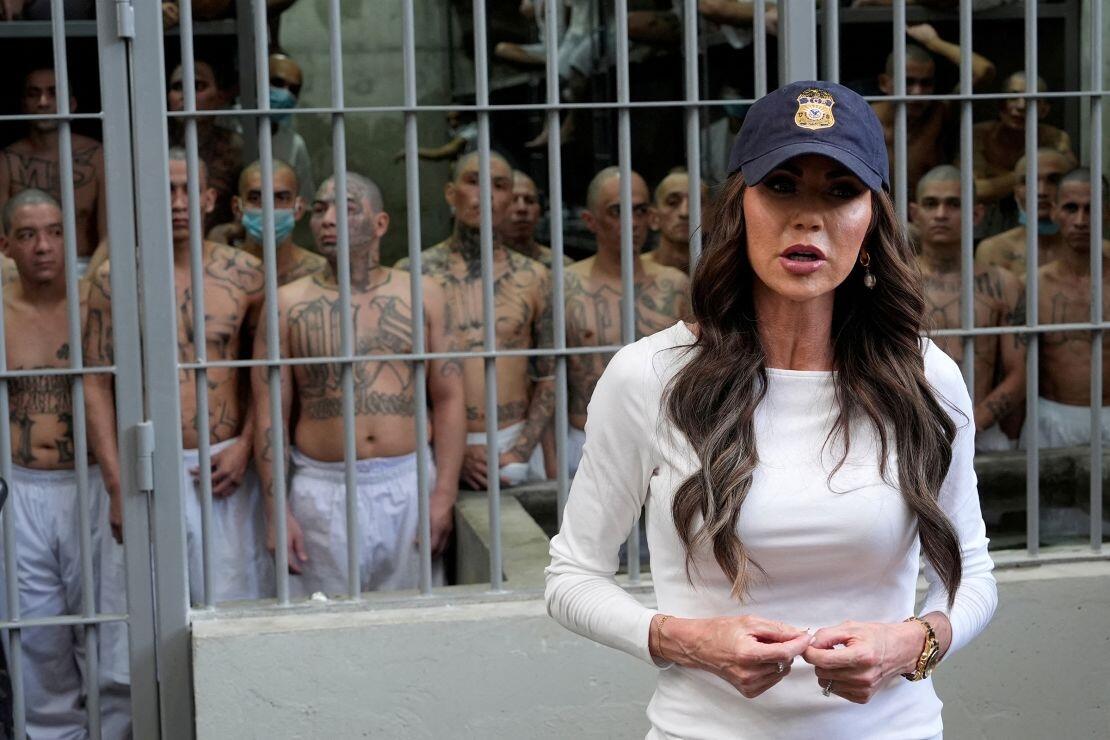
It will not comply with a federal court order demanding due process for 252 Venezuelan migrants deported to a maximum-security prison in El Salvador last March under the 1798 Alien Enemies Act.
The Justice Department made that position clear in a new filing, setting up a collision course with U.S. District Judge James Boasberg and a near-certain return to the Supreme Court.
The case has emerged as a defining test of judicial power in Trump’s second term, pitting the executive branch’s immigration authority against the federal courts and their ability to enforce constitutional protections for illegal immigrant gang members.
The Venezuelans were flown to El Salvador in March 2025 despite an emergency order from Boasberg instructing the administration to halt the deportations and turn the planes around mid-flight. That decision triggered an eleven-month legal battle that reached the Supreme Court in April after months of wrangling in the lower courts.
The justices ruled in the government’s favor on its authority to invoke the Alien Enemies Act, but Boasberg, an Obama appointee, doubled down in December, issuing another order directing the government to “facilitate” due process for the migrants who had already been deported. He presented two options: bring the men back to the United States for in-person hearings or facilitate hearings abroad that meet constitutional standards.
The Justice Department rejected both options in its Monday filing.
“In its filing Monday, the Justice Department argued again that the administration is powerless to return the Venezuelan migrants who were summarily deported last year,” reports Fox News. “The department rejected the notion that the U.S. could ‘facilitate’ due process proceedings for the migrants in question as previously ordered by the court, describing the options to do so as either legally impossible or practically unworkable due to national security concerns and the fragile political situation in Venezuela after the U.S. capture of Venezuelan strongman Nicolás Maduro during a raid in Caracas last month.”
Justice Department lawyers argued that returning the migrants is legally impossible and presents national security risks. They cited strained diplomatic relations with Venezuela and the alleged gang ties of the deportees. The filing also dismissed the idea of holding hearings at the U.S. embassy in Caracas, citing the recent capture of Nicolás Maduro and the resulting political instability. The department further contended that the United States lacks jurisdiction to conduct habeas proceedings abroad and that attempting to do so would interfere with delicate diplomatic efforts.
The filing made clear that the administration believes it owes the migrants no additional due process. If Boasberg orders otherwise, Justice Department lawyers said they would immediately appeal and seek a stay from higher courts.
The department maintained that the president’s use of the Alien Enemies Act represents a national security decision outside the proper reach of judicial review.
“If, over defendants’ vehement legal and practical objections, the Court issues an injunction, defendants intend to immediately appeal, and will seek a stay pending appeal from this Court (and, if necessary, from the D.C. Circuit),” the Justice Department said in a statement.
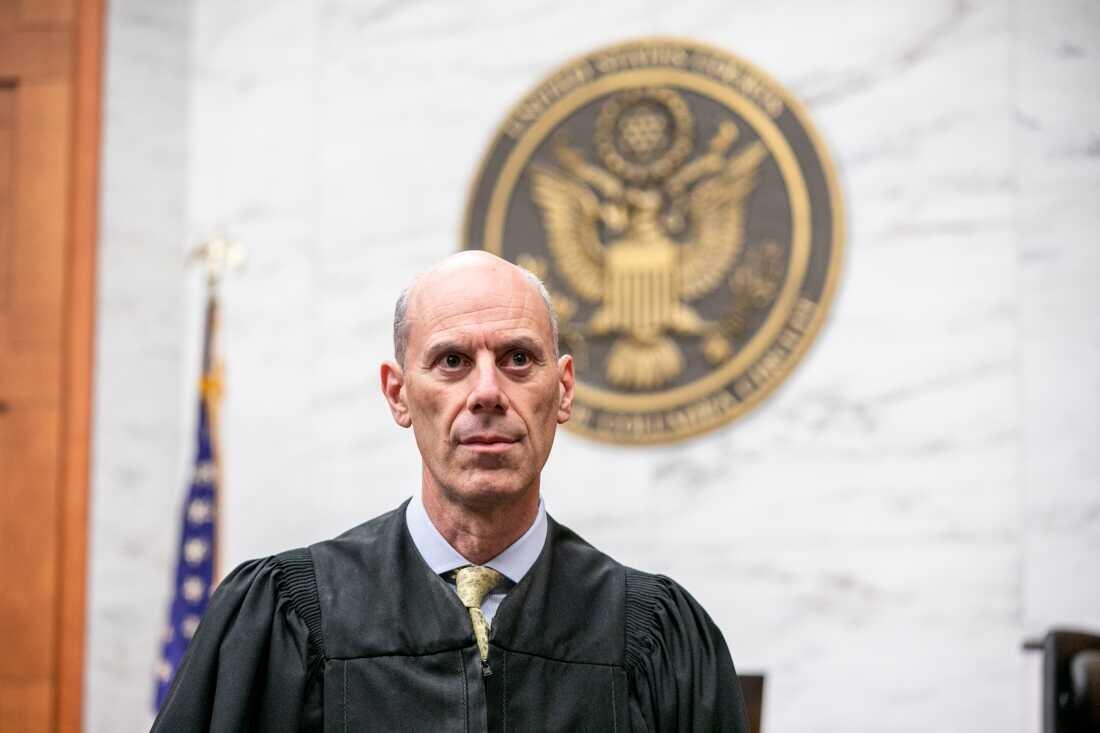
Boasberg has attempted to dictate what the executive branch can do on immigration policy, an area where presidential authority is broad and judicial deference is typically the norm. Similar demands for court-mandated due process protocols were absent during the Obama administration, which deported immigrants in record numbers. During those years, the federal government shifted sharply from judicial removals to fast-track, nonjudicial proceedings. By 2012, 75 percent of illegals removed did not see a judge before being deported from the United States, amounting to 313,000 nonjudicial removals in a single fiscal year.
The Trump administration views the current legal fight as an extension of that same presidential authority enjoyed by Barack Obama. It sees Boasberg and other judges issuing immigration orders as rogue actors seeking to seize control of enforcement policy from the executive branch.
Tyler Durden
Sun, 02/08/2026 – 14:35ZeroHedge NewsRead More



 R1
R1
 T1
T1


