Israel Imposes ‘De Facto Annexation’ With Sweeping West Bank Policy Change
The Israeli government on Sunday approved sweeping changes to land registration and civil control in the occupied West Bank, a move Palestinians say breaches the Oslo Accords and advances de facto annexation.
Finance Minister Bezalel Smotrich and Defense Minister Israel Katz said the changes would “dramatically” alter West Bank policy, paving the way for expanded settlements and land seizure. In a joint statement, they said the measures would remove legal barriers on Israeli settlers and accelerate settlement development.
Katz said the aim was to give settlers equal “legal and civil rights”, while Smotrich said the move would “normalize life in the West Bank” and vowed to “continue to kill the idea of a Palestinian state.”
Palestinian President Mahmoud Abbas said the policy was designed to deepen annexation of the West Bank and violated agreements signed with Israel, including the Oslo Accords, according to the Wafa news agency.
Rawhi Fattouh, chairman of the Palestinian National Council, described the decisions as “racist and dangerous”, accusing Prime Minister Benjamin Netanyahu’s government of imposing new colonial realities on the ground.
Several Palestinian factions, including Hamas and the Popular Front for the Liberation of Palestine, also condemned the move.
The Oslo Accords, signed in 1993 and 1995 between Israel and the Palestine Liberation Organization (PLO), established limited Palestinian self-rule in parts of the West Bank and Gaza, dividing the West Bank into Areas A, B, and C as a temporary framework for a future Palestinian state – a goal that has never been realized.
Muayyad Shaaban, head of the Palestinian Commission Against the Wall and Settlements, said the Israeli decisions represent a dangerous escalation that undermines international law and adds to crimes against Palestinians.
The Palestinian National Initiative said the measures drive the final nail into the Oslo Accords and open the door to large-scale land seizures benefiting Israeli settlers.
The Yesha Council, which represents Israeli settlements, celebrated the decision, saying it “entrenches Israeli sovereignty on the ground.”
Peace Now, an NGO monitoring settlement expansion, said Netanyahu has effectively chosen to “topple the Palestinian Authority” and “impose de facto annexation”, warning the moves go far beyond Area C and break barriers to massive land theft across the West Bank.
What are the changes?
Under the new Israeli measures, the military would be able to enforce regulations on so-called unlicensed buildings in Areas A and B, citing heritage and archaeological sites, allowing for the confiscation of Palestinian land and demolition of structures.
The changes would also lift secrecy on West Bank land registries, enabling settlers to identify Palestinian landowners and purchase land directly. Exposing ownership records could make it easier for settlers to forge claims over Palestinian land, a tactic widely documented and likely to accelerate land seizures across the occupied territory.
The measures also ease the sale of Palestinian land to Israelis and overturn a Jordanian-era law prohibiting transfers to non-Palestinians.
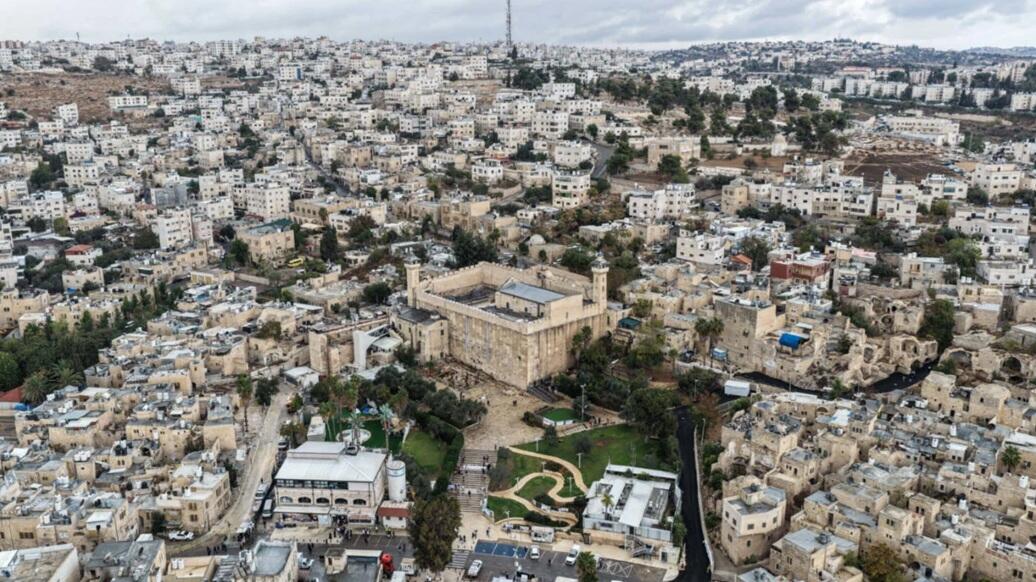
Planning, licensing, and construction powers in Hebron would be transferred from the Palestinian municipality to the Israeli army, expanding control over building permits, development, resources, and security. An independent local authority will also be established for the Israeli settlement in Hebron.
The Hebron municipality condemned the move as “illegitimate and dangerous”. Under the 1997 Hebron Protocol, the city was divided into Hebron 1, under Palestinian control, and Hebron 2, under Israeli authority, covering southern and eastern sections.
The new policy also affects the Ibrahimi Mosque in Hebron, a site holy to Muslims, Jews, and Christians.
The Palestinian presidency warned that any violation of Islamic or Christian holy sites, including the mosque, is unacceptable. In January, Israel barred the mosque’s Palestinian directors and seized planning rights over part of the site, violating longstanding arrangements.
The policy comes amid rising settler attacks and access restrictions on Palestinian holy sites since October 2023, including Al-Aqsa Mosque in occupied East Jerusalem and Joseph’s Tomb in Nablus.
Tyler Durden
Mon, 02/09/2026 – 23:25ZeroHedge NewsRead More


 R1
R1
 T1
T1