
Japan Restarts World’s Largest Nuclear Plant, 15 Years After Fukushima Shutdown
Japan resumed operations at the world’s largest nuclear power plant this week, marking a key development in the country’s return to nuclear energy almost 15 years after the Fukushima disaster.
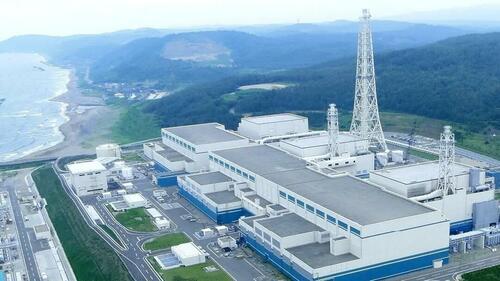
The reactor is located at the Kashiwazaki-Kariwa Nuclear Power Plant, in Japan’s Niigata Prefecture.
It is the world’s first nuclear power plant to use an advanced boiling water reactor.
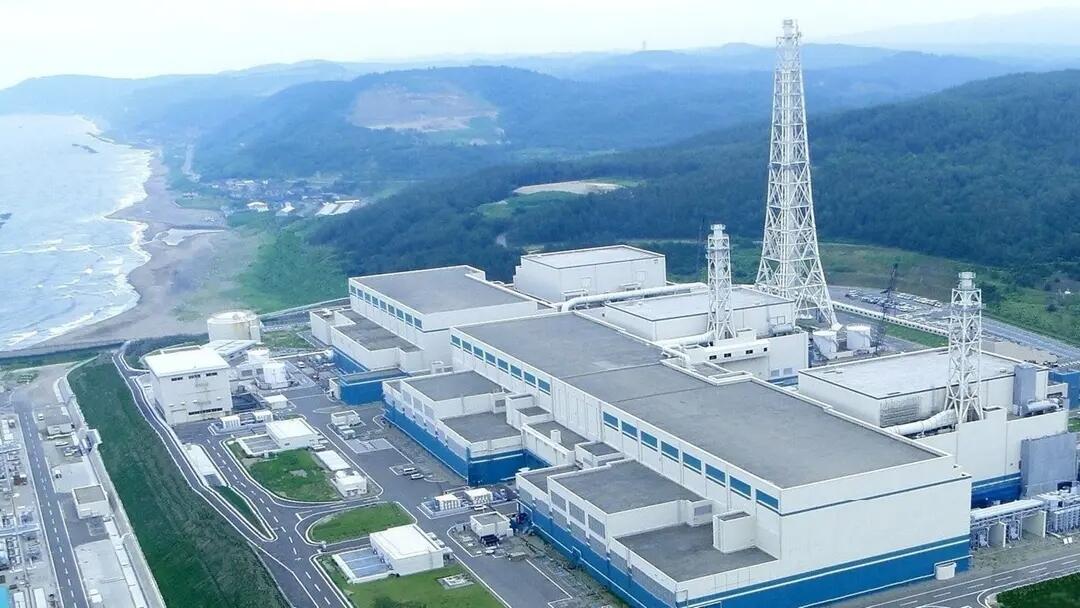
Panoramic view of units 5-7 of the Kashiwazaki-Kariwa nuclear power plant.
Kashiwazaki-Kariwa’s total capacity is 8.2 GW, which is enough to power a few million homes.
The site is operated by the Tokyo Electric Power Company (TEPCO), which also ran the Fukushima plant.
While the Kashiwazaki-Kariwa facility was not damaged by the Tōhoku earthquake and tsunami, all seven of its reactors have remained offline since the accident amid tightened safety requirements and public scrutiny.
We noted back in December, Niigata prefecture’s assembly session vote revealed the community’s deep divisions over the restart, in spite of lawmakers giving their backing to Hanazumi.
“This is nothing other than a political settlement that does not take into account the will of the Niigata residents,” an assembly member told fellow lawmakers during the session.
Around 300 protesters gathered outside the assembly holding billboards with signs expressing their opposition to the resumption in operations, such as “No Nukes” and “Support Fukushima.”
“I am truly angry from the bottom of my heart,” Kenichiro Ishiyama, a 77-year-old protester from Niigata city, told reporters after the vote.
“If something was to happen at the plant, we would be the ones to suffer the consequences.”
Brought back to life on February 9, the reactor had been shut down for more than a decade.
“We will continue to conduct integrity checks of the plant equipment under actual steam operating conditions, while fully and sincerely responding to inspections by the Nuclear Regulation Authority,” Tepco officials stated.
As interestingengineering.com reports, the 1,356-megawatt (MW) advanced boiling water reactor (ABWR) was restarted at 2pm local time with criticality confirmed just over an hour later at 3:20pm.
For clarity, criticality refers to the condition when a nuclear reactor is maintaining a self-sustaining nuclear chain reaction.
“We will continue to demonstrate through our actions and results that we are making safety our top priority at the Kashiwazaki-Kariwa Nuclear Power Plant,” Tepco representatives pointed out.
The reactor was first restarted in the evening of January 21.
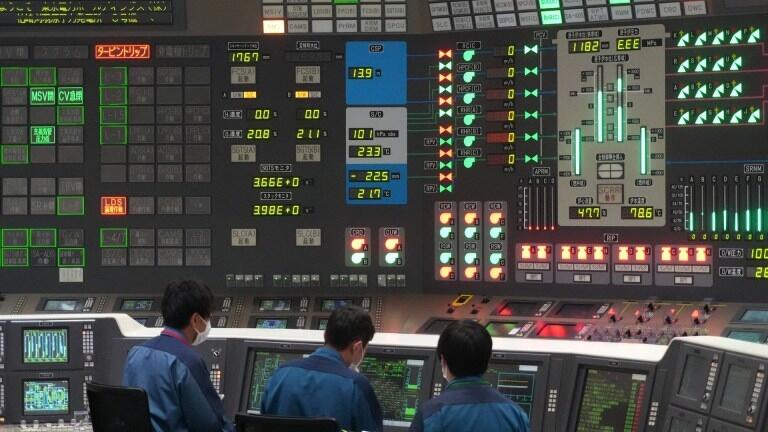
However, according to the company, shortly after midnight on January 22, an alarm in the control rod monitoring system halted the withdrawal of one control rod.
As a result, the unit’s restart was suspended while an investigation into the cause of the alarm was carried out. Tepco said it intends to gradually raise the pressure inside the reactor once operations resume.
It will resume power generation and transmission on February 16.
As we previously detailed, Prime Minister Sanae Takaichi has expressed her support for nuclear restarts to counter the cost of imported fossil fuels, which account for 60–70 percent of the country’s total electricity generation.
Last year, Japan spent 10.7 trillion yen ($68 billion) on imported liquefied natural gas and coal, representing a tenth of the country’s total import costs.
Despite its declining population, Japan expects energy demand to rise over the next decade, due to the power needs of artificial intelligence (AI) data processing centers.
The country has set a target of doubling the portion of nuclear power in its electricity mix to 20 percent by 2040.
Japan’s top nuclear power operator, Kansai Electric Power, said in July it would begin conducting surveys for a reactor in western Japan, in what is planned to be the country’s first new plant since the Fukushima disaster.
Tyler Durden
Thu, 02/12/2026 – 02:45ZeroHedge NewsRead More


 R1
R1
 T1
T1


