

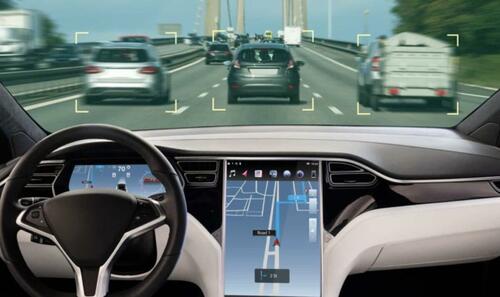
Automakers Push Toward “Eyes-Off” Driving Despite Mounting Doubts
Global automakers are zeroing in on a controversial waypoint in the autonomy race: “eyes-off” driving, known in the industry as Level 3, according to a new report by Reuters.
The idea is simple but provocative — motorists could look away to send a message or work on a laptop until the vehicle signals them to retake control.
After years spent refining hands-on driver aids that manage steering and speed, companies see Level 3 as a potential bridge between today’s supervised systems and tomorrow’s fully driverless cars. It could also help justify the billions already sunk into automation. “We can start saving them time immediately, and do it in a very affordable way,” said Doug Field of Ford Motor, which aims to roll out eyes-off capability on lower-cost EVs in 2028.
Yet enthusiasm is far from universal. Some executives question whether temporarily shifting responsibility between human and machine is workable — or safe. Others doubt buyers will pay enough to cover development costs that consultants at McKinsey & Company estimate at up to $1.5 billion for highway-capable Level 3 systems.
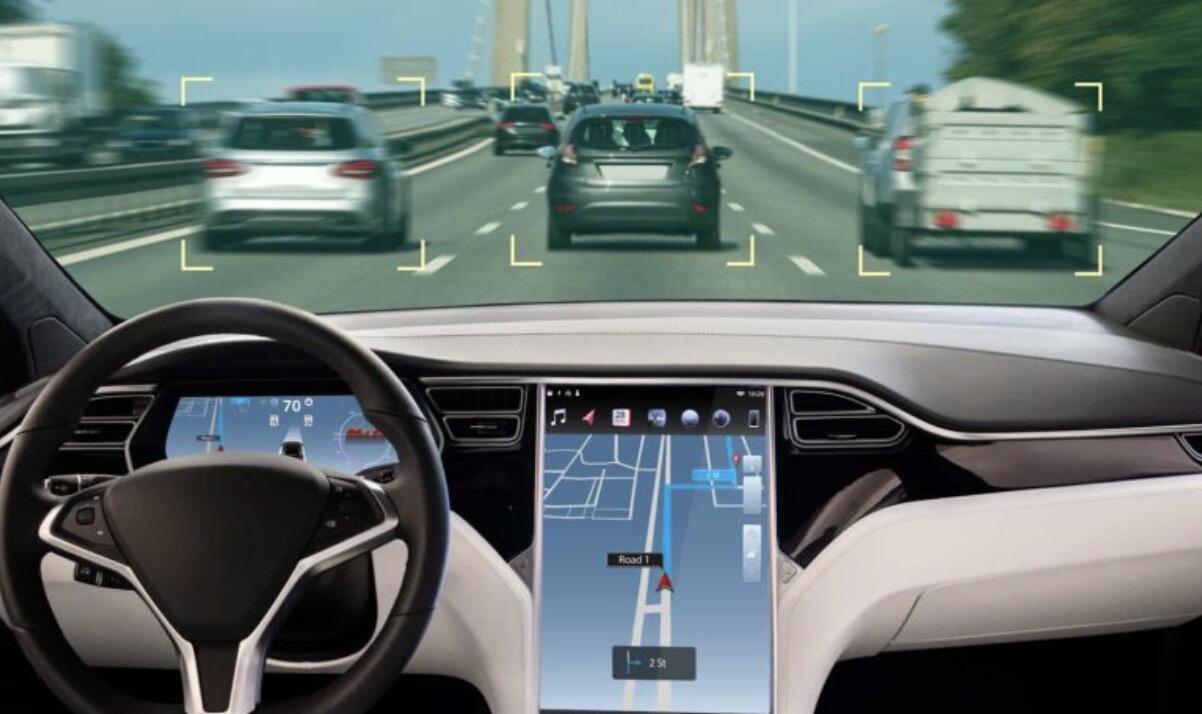
Reuters reports that a decade after bold predictions that autonomous cars would be everywhere, most vehicles — including “Full Self-Driving” from Tesla — remain Level 2, requiring constant attention. Besides Ford, General Motors and Honda Motor have outlined Level 3 ambitions.
But pullbacks are mounting. Mercedes-Benz, the only brand to launch Level 3 in the U.S., paused the program amid limited demand tied to speed and geographic restrictions. Stellantis has shelved its effort. Former Waymo CEO John Krafcik said attempts so far suggest “the juice isn’t worth the squeeze.”
Legal exposure adds another layer of risk. Analysts say eyes-off capability increases the likelihood that manufacturers — not drivers — would bear responsibility in a crash, an issue scholars warn could stall deployment without clearer regulation.
Meanwhile, competition from China is intensifying. Automakers such as BYD and Leapmotor bundle advanced driver-assistance features into sticker prices, raising the prospect of a pricing clash if Western consumers resist subscription fees. As one industry strategist put it, “This is a war of global business models.”
Tyler Durden
Thu, 02/26/2026 – 15:25ZeroHedge NewsRead More



 R1
R1
 T1
T1


