

War Stocks Back In Focus As ‘Operation Epic Fury’ Drains Tomahawk Supplies
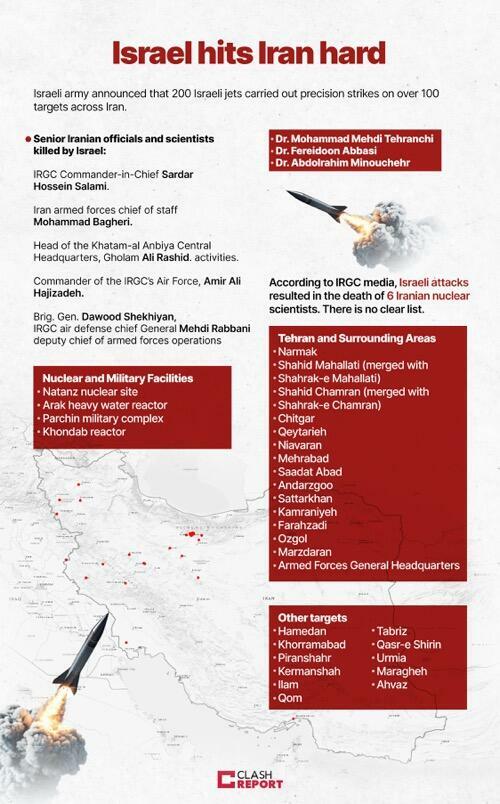
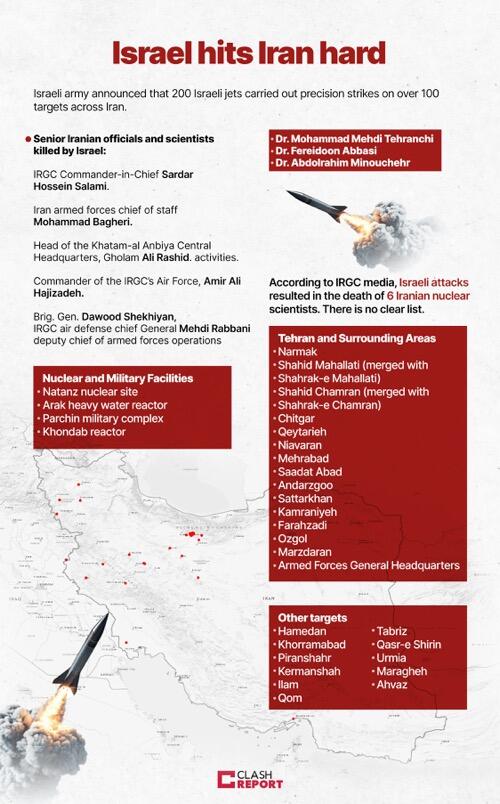
The scale of the U.S.-Israeli strike on Iran this weekend was massive, involving hundreds of fighter jets, bombers, and air-delivered munitions across more than 100 Islamic Revolutionary Guard Corps-linked targets. Our focus has shifted to U.S. munitions stockpiles, which were already dwindling after four years of the Russia-Ukraine war. The conflict so far will intensify Wall Street’s focus on U.S. defense firms come Monday morning and potentially lead investors to view the need for defense firms to accelerate weapons production, setting up another bullish scenario for these war stocks.
For the first time, Israel and the U.S. have struck targets deep in “the heart of Tehran,” Israel Defense Forces officials stated on Sunday.
“The Air Force, guided by Military Intelligence, has now launched a broad wave of strikes toward targets of the Iranian terror regime in the heart of Tehran,” the IDF said.
Media outlet Clash Report stated on X, “Over 100 targets hit by 200 Israeli jets, including nuclear sites and top IRGC officials.”
The massive strike has brought into focus how a multi-war front for the West, whether that’s Ukraine or now Iran, is rapidly draining America’s munitions stockpile, especially air-defense interceptors needed to stop Iranian missile and kamikaze drone retaliation.
The Wall Street Journal noted that U.S. and allied forces are burning through THAAD, Patriot, and SM-3 missile systems faster than they can be replaced, while also using vast amounts of Tomahawk cruise missiles and other precision weapons that would be critical if another conflict emerged somewhere else in the world.
Dozens of US Tomahawk missiles flying over Qader Karam of the Kurdistan region in Iraq towards Iran. pic.twitter.com/V70zg5b3Hd
— Visegrád 24 (@visegrad24) February 28, 2026
WSJ explained more:
The precise size of the U.S. stock of air-defense interceptors — what the Pentagon calls magazine depth — is classified. But repeated conflicts with Iran and its proxies in the Middle East have been eating into the supply of air defenses in the region.
Kelly Grieco, a senior fellow at the Stimson Center think tank, told the outlet, “One of the challenges is you can deplete these really quickly,” adding, “We’re using them faster than we can replace them.”
“The Trump administration has fired TLAMS at an extraordinary rate in operations around the globe, in the Middle East against Iran and the Houthis as well as in Nigeria on Christmas Day,” Becca Wasser, a senior fellow at the Center for a New American Security, noted.
If the Iranian conflict broadened or was prolonged, the Department of War may have to source additional air-delivered munitions supplies from other regions, potentially affecting deterrence cabilities other foreign adversaries, such as China and North Korea.
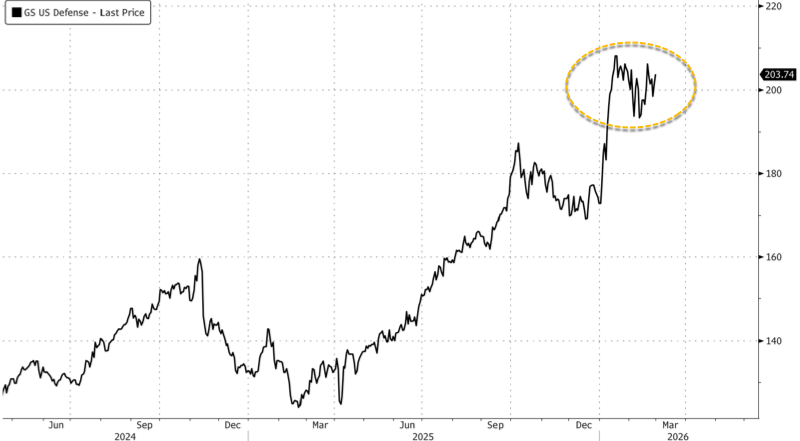
The theme emerging here is that U.S. defense-related stocks could be primed for another breakout after trading sideways since mid-January. Certainly, the Caribbean gunboat diplomacy and the Maduro raid in early January lifted these war stocks, and they will likely see another push higher come Monday.
GS US Defense (Goldman Sachs thematic basket tied to U.S. defense stocks):
Jonathan Conricus, a former IDF spokesman, told the outlet that he was “underwhelmed so far by the amount of missiles that the Iranians have been able to fire.”
“Eventually it boils down to numbers,” Conricus added. “How many interceptors will we have versus how much launchers will they be able to field and fire.”
Ultimately, war comes down to numbers, and the question is which side burns through its missiles and bombs first.
Tyler Durden
Sun, 03/01/2026 – 18:50ZeroHedge NewsRead More



 R1
R1
 T1
T1


