

Why Nuclear Energy Is More Vital Than Ever
As geopolitical tensions in the Middle East have escalated into direct conflict involving Iran, the global energy market is once again reminded of its precarious dependence on critical chokepoints. Shipping through the Strait of Hormuz slowed to a crawl amid threats and attacks, while QatarEnergy halted LNG production following strikes on its facilities.
Oil prices jumped…
*BRENT OIL SURGES 13% TO $82 A BARREL AT OPEN AFTER IRAN STRIKES https://t.co/yD07qFkNk4
— zerohedge (@zerohedge) March 1, 2026
…and European natural gas benchmarks surged by as much as 45-50% in a single day.
*EUROPE GAS PRICES SURGE 50% AFTER QATARI LNG PRODUCTION HALTS https://t.co/NZImdHqf6A
— zerohedge (@zerohedge) March 2, 2026
For economies reliant on imported fossil fuels, it’s a stark warning.
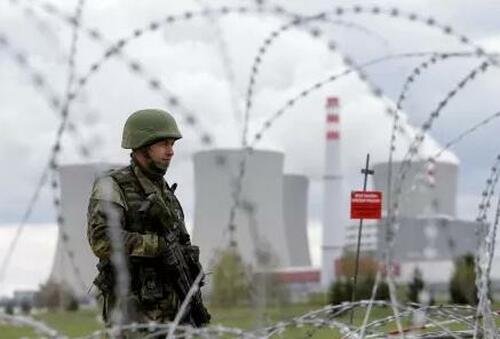
In contrast, nuclear power plants around the world continue to hum along largely unaffected, chugging steadily forward while fossil markets panic. With fuel assemblies stockpiled for one to two years or more of operation, nuclear facilities don’t rely on daily tanker shipments or volatile global supply chains. Their high capacity factors provide consistent baseload power regardless of weather, politics, or the status of distant straits. This resilience stands in sharp relief to the chaos in oil and LNG markets.
The current disruptions highlight nuclear energy’s unique advantages for energy security. Uranium fuel is compact and can be sourced from diverse, stable suppliers or even domestic reserves in many nations. Once loaded, a reactor operates independently of the geopolitical storms that buffet fossil fuel transport routes like the Strait of Hormuz, which handles roughly 20% of global oil and significant LNG volumes from Qatar.
Europe finds itself particularly exposed. The continent’s energy import dependency is already over 50%, with countries like Germany historically even higher. Decades of policy prioritizing renewables and phasing out nuclear power, epitomized by Germany’s failed Energiewende, left the region overly reliant on imported natural gas and LNG. After the loss of cheap Russian pipeline gas, Europe turned to seaborne LNG, much of which now faces indirect risks from Middle East instability. The irony is hard to miss: nations that shuttered reliable nuclear plants in the name of safety and green ideals are now scrambling as fossil fuel prices soar, contributing to industrial strain and higher consumer costs.
France, by maintaining a robust nuclear fleet accounting for about 70% of its electricity, has enjoyed relatively greater stability and lower import dependence. Its experience suggests that a balanced energy mix with substantial nuclear baseload offers a buffer against external shocks. Even German Chancellor Friedrich Merz recently acknowledged that the nuclear phase-out was a “severe strategic mistake,” underscoring the long-term costs of those earlier decisions.
Beyond security, nuclear power aligns with decarbonization goals. It produces low-carbon electricity at scale without the intermittency challenges of wind and solar. As demand surges from data centers, AI, and electrification, nations are eyeing a nuclear renaissance.
Of course, nuclear isn’t without challenges. High upfront costs, lengthy regulatory approvals, and lingering public concerns from past incidents require careful management. Waste disposal and proliferation risks demand ongoing attention. Yet, the technology’s track record for safety and reliability, combined with modern engineering, makes it a worthy path forward.
The latest events in Iran and the Gulf should serve as a catalyst for policy reevaluation. Governments would do well to streamline permitting for new reactors, invest in domestic fuel cycles, and educate the public on nuclear’s role in a secure, affordable, low-emission future. Short-term pain from energy price spikes may finally translate into long-term strategic gains if it accelerates the adoption of power sources immune to the whims of distant conflicts.
Tyler Durden
Mon, 03/09/2026 – 05:45ZeroHedge NewsRead More



 R1
R1
 T1
T1


