

Between 1972, when the war had really started heating up, and 1977, when the Rhodesians were approaching an internal settlement with the more ‘moderate’ Africans, the White civilian death toll stood at 115.1 The worst was yet to come, the horrors of the Elim Mission Massacre and the massacre after the downing of Air Rhodesia Flight 825 in 1978 especially were to send Rhodesians, no matter how liberal, into a blind fury of racial hatred.
In late September 1977, however, Rhodesians were whipped up into a fury like never before. In the past, of course, Rhodesians had greeted every terrorist incident with ‘howls of rage’2 but there was ‘none louder than the response to the news that 6-month-old Natasha Glenny was bayoneted to death near Chipinga on 29 September.’3
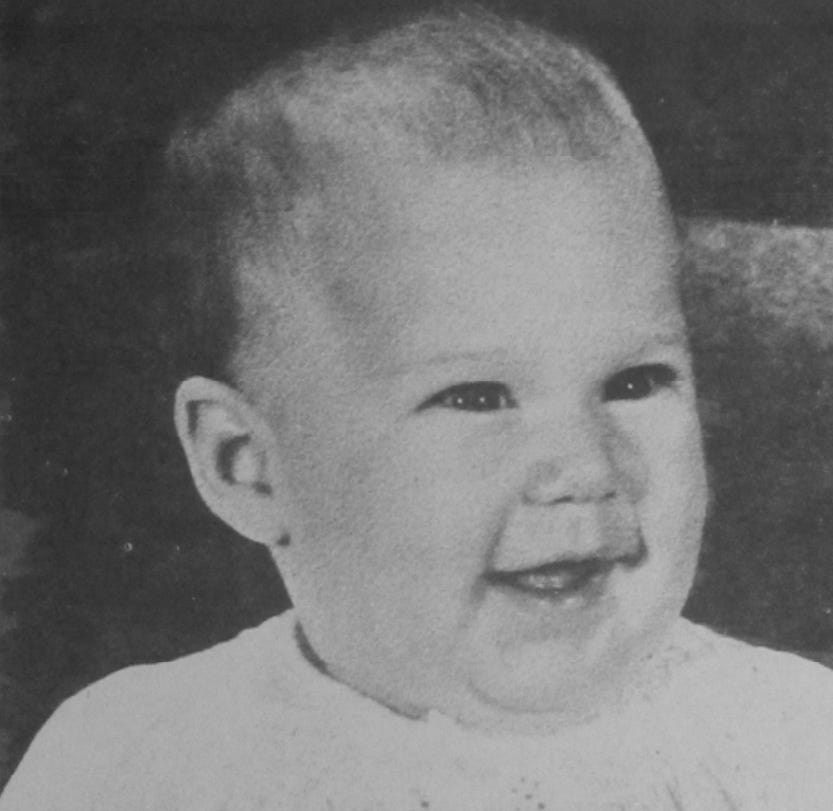
The Glennys, twenty-six year old Michael and twenty-two year old Marinda, had only been married for three years, Natasha was their only child. Marinda would recall of her daughter that: ‘She was such a dear little child, she was so happy. She laughed a great deal and her little face would break into a radiant smile.’4
Michael, meanwhile, could only look back with rage: ‘She couldn’t even talk and they did this to her. I think that if I could get my hands on those responsible for her death I would torture them. Yes, I think I would. I would hang them up for days.’5 It had been Michael that found his poor little daughter in a pool of blood on the veranda of his home. ‘She was lying face down. Her back was a mass of lacerations and her flesh was white and pulpy. Before she was bayoneted she was thrown across the veranda.’6 Natasha’s hands, it was reported, had been cut off. Michael couldn’t even answer whether it was true, he hadn’t noticed, all he could do was to gaze ‘into her face. I only remember her face.’7
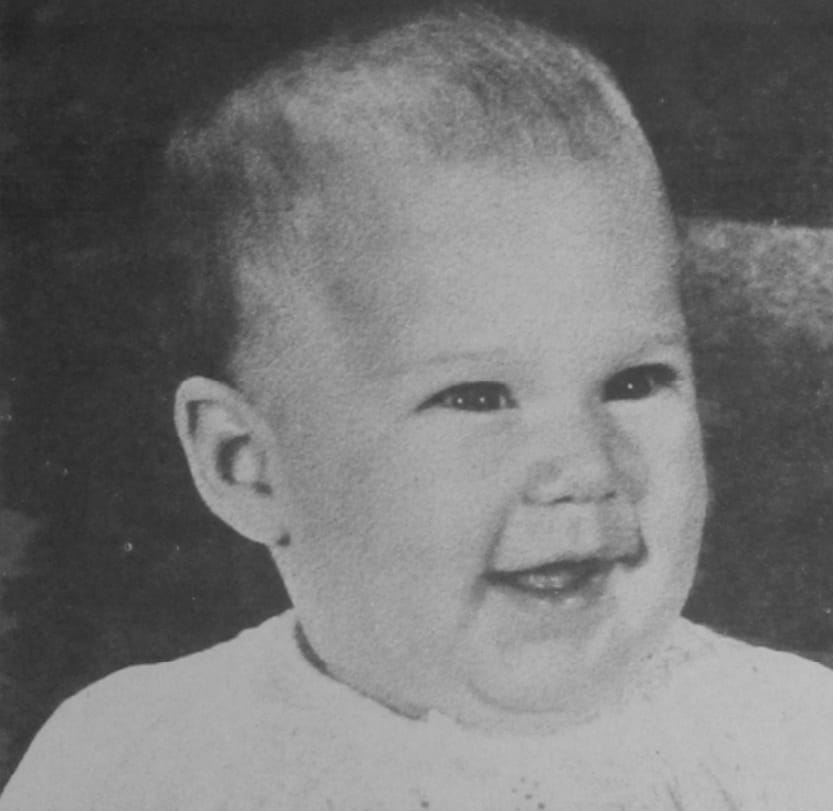
Natasha had been alone with the Glenny’s African nursemaid when twenty-five terrorists arrived at their Highlands Estate, which the family had only lived at for two months. Instinctively the terrified nursemaid grabbed the sleeping Natasha from her cot and strapped her onto her back, covering her head with a towel. The terrorists roughly handled the nursemaid, demanding to know what was on her back. It was her baby, she insisted, an African baby. The terrorists knew better. They pulled back the towel and saw Natasha’s white face.
The nursemaid’s frantic shouts that her child was an albino were useless. Natasha was ripped away from the nursemaid’s back before being thrown across the veranda. She was then repeatedly stabbed, and, as noted, her hands were dismembered. The nursemaid was then beaten and told to clear off, but, loyal to a fault, she remained where she was, awaiting the return of the Glennys. The terrorists only left after storming through the house, dousing the place in petrol and setting a number of rooms on fire.
The tragedy of it all was that Michael and Marinda had not been far away. Fifteen minutes earlier, on their way back from checking on their cattle, they had been ambushed at a terrorist roadblock 300m from the homestead. Three terrorists began to spray the car with bullets, the vehicle skidding into a ditch. Michael, quick to respond, leapt from the car and fired a shot at an approaching terrorist, hitting him in the stomach. Husband and Wife then evaded the terrorists for the next hour, running to the safety of a factory.
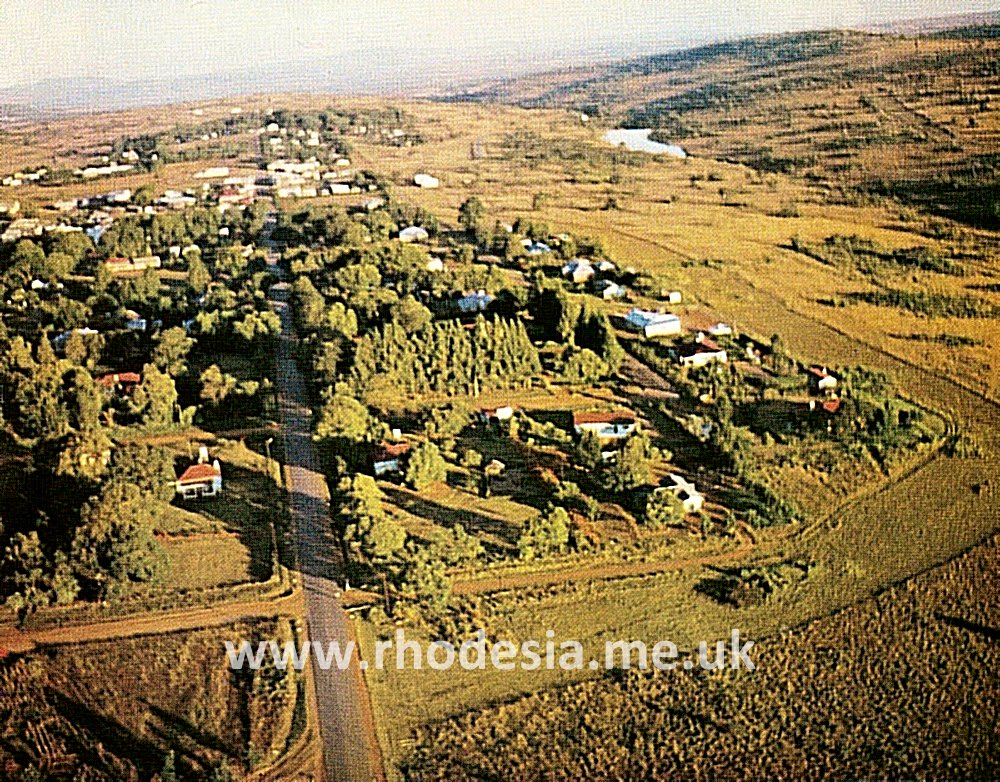
Only afterwards did Michael learn that the terrorists ‘had been living in one of the compounds on my estate for two weeks. Not one member of the labour force reported their presence. As far as I am concerned they are just as guilty as those who murdered our daughter.’8
But, despite the tragedy, the duo remained defiant. ‘We have experienced a terrible tragedy’, Michael said, ‘but we are not going to give up. We are not going to leave. We shall stay and fight. We owe it to our daughter.’9
The incident, as word spread, quite rightly horrified Rhodesians and friends of Rhodesia abroad. Natasha could have been anyone’s daughter. A helpless child, tossed across a veranda and stabbed to pieces before having her hands cut off.
But what was the British response to all this? Well, on the 9th of October British Foreign Secretary Dr. David Owen commented in The Observer: ‘Violence is the last resort. To use violence where peaceful means are available runs counter to the whole system of values which we are pledged to sustain. But as long as repressive systems of white minority rule, impervious to peaceful pressures, remain in existence, they will inevitably generate frustrations and a sense of humiliation on such a scale that the black African population will understandably be driven in increasing numbers to violence and the armed struggle.
We cannot brand them as enemies of democracy and disciples of Moscow because they are fighting for their rights.’10
The British response then was not so different to the language used today in the wake of the many terror attacks we experience from the third world immigrants in our own countries. 49 years ago it was Natasha, today the prospect of this happening to our children in Europe looms large, a terrifying reality every parent has to consider. What are we going to do about it?
We have two options, Remigration or Rhodesia. The former is a lot easier.
Rhodesia: A Complete History, Peter Baxter, p648
Rhodesians Never Die, Peter Godwin and Ian Hancock, p210
Ibid
The Rhodesia Herald, 04.10.77
Ibid
Ibid
Ibid
Ibid
Ibid
The Observer, 09.10.77
Zoomer HistorianRead More



 R1
R1
 T1
T1


