Jensen To Rogan: “Next 6-7 Years You Will See A Bunch Of Small Nuclear Reactors”
Jensen “sign my tit” Huang, the CEO of NVIDIA and the man responsible for the AI boom, was recently on the Joe Rogan Experience podcast discussing a wide range of topics, when he gave the nuclear sector the ultimate tailwind: the AI revolution needs small modular reactors (SMRs), something we have been saying for over a year.
When the conversation turned to energy, and particularly new nuclear power, Huang spoke about the immense and growing power demands of AI data centers, which he dubbed as “gigawatt factories”, and echoed what we just said, namely that that these power needs cannot be integrated into the existing public grid without risking instability and soaring power prices…
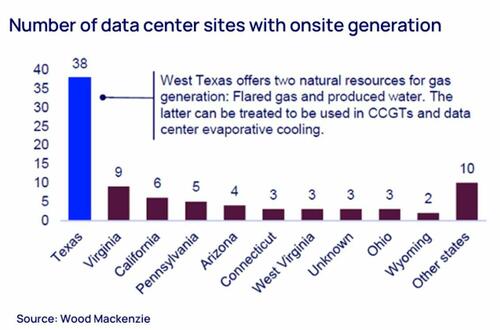
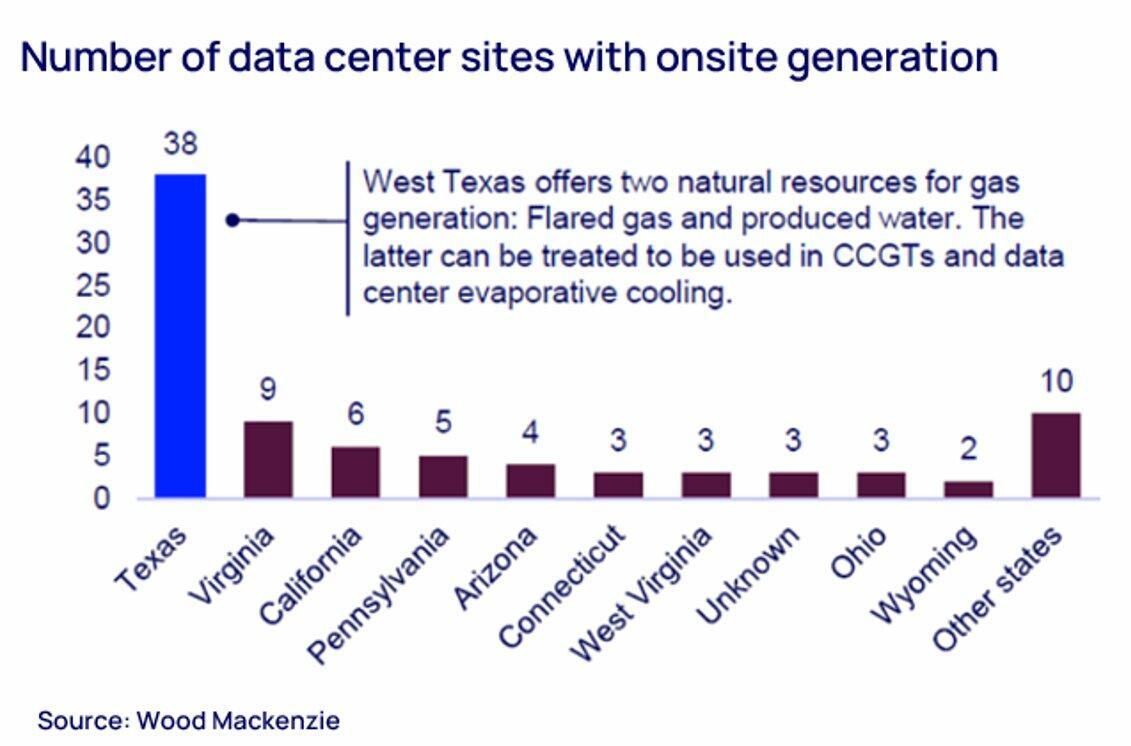
To prevent skyrocketing electric bills, every state has to follow the Texas example: each data center must have its own “behind the meter” onsite power generation.
“We believe data centers should pay for the full cost of their power,” Dominion Energy spokesperson Aaron Ruby… https://t.co/0u1owTeAs8 pic.twitter.com/8W421s3rzV
— zerohedge (@zerohedge) November 23, 2025
… and should instead remain “behind the meter”, with data centers using dedicated or off-grid power generators – such as SMRs – necessary for the continued growth of AI.
As a result, Jensen sees “a whole bunch of small nuclear reactors in the next six or seven years”
Rogan: By small, like how big are you talking about?
Huang: Hundreds of megawatts.
Rogan: Okay. And that these will be local to whatever specific company they have.
Huang: That’s right. Will all be power generators.
Reactors such as those currently being built by Nano Nuclear and Oklo. No wonder their stocks are soaring today.
Here is the exchange:
JR-“Currently that is a big bottleneck right, it’s energy?
JH-It is The Bottleneck…The next 6-7 years I think your going to see a whole bunch of small nuclear reactors
JR- probably the smartest way to do it
JH-It takes the burn off the grid” $NVDA $NNE pic.twitter.com/tUh1BxhPXl— NANO Nuclear Energy (NASDAQ: NNE) (@nano_nuclear) December 3, 2025
Of course, we have been pounding the table on modular nuclear reactors as the only real solution to the data center power drain for nearly two years, focusing on the more realistic options in recent weeks, and highlighted this very scenario just a few days ago, when the Department of Energy said it was assisting the Tennessee Valley Authority and Holtec International with the development and deployment of 300 MW small reactors in the 2030s, all small but critical initial steps in the rollout of small modular reactors.
There was also a significant development from the Nuclear Regulatory Commission when they announced the completion of their final safety evaluation for the construction permit application for Bill Gates’ sodium reactor project in Wyoming. This was the last stage of reactor developer TerraPower’s construction permit review for their 345 MW reactor, and they now expect to have the construction license in hand early next year. Commercial operations are targeted for 2031.
Anyway, back to the podcast where, to the surprise of none of our readers, it took only 5 minutes of them talking to come to the topic of how dependent new AI is on the development of new energy.
Jensen went on a short run about how critical it was to the AI industry that Trump started his latest term by beating the table on new energy development:
“[Trump] came into office and the first thing that he said was ‘drill baby drill’. His point is we need energy growth. Without energy growth, we can have no industrial growth. It saved the AI industry. I got to tell you, flat out, if not for his progrowth energy policy we would not be able to build factories for AI, not be able to build chip factories, we surely won’t be able to build supercomputer factories, none of that stuff would be possible without all of that. Construction jobs would be challenged, right? Electrician jobs, all of these jobs that are now flourishing would be challenged. And so I think he’s got it right, we need energy growth. We want to re-industrialize the United States. We need to be back in manufacturing.”
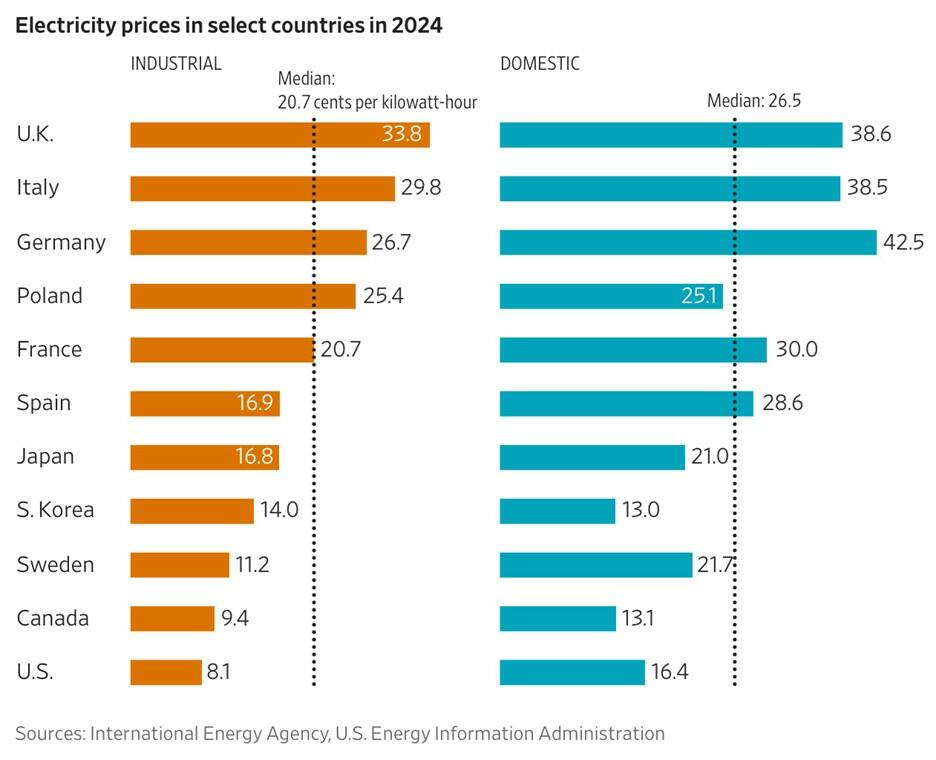
As we recently covered in our summary of how well Europe’s grand green energy transition is going, we highlighted how the availability of cheap energy is enabling the growth of the AI industry in the US. Had the US followed in the footsteps of our peers across the water, we could have been facing energy prices as much as three times higher for industrial customers.
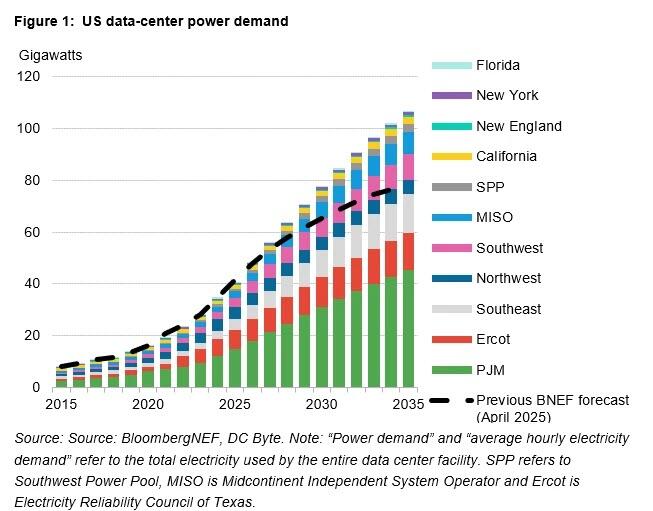
With the U.S. taking the more productive “and” approach to renewable energy, the country has added GW of power across a range of energy varieties, including both green sources like wind and solar, and traditional sources like coal, gas, and nuclear. Then again, as we discussed yesterday, the US will need to add over 100+ GW by 2032 to maintain the AI cycle, a staggering amount of power generation.
Jensen elaborated a little bit further on the energy-AI relationship, noting that energy is “the” bottleneck with developing new AI factories:
Rogan: So currently that is a big bottleneck, right? [It] is energy.
Huang: Yeah, it is the bottleneck. The bottleneck
Because you can print money, you can’t print energy.
The money is not the problem: AI is the new global arms race, and capex will eventually be funded by governments (US and China). If you want to know why gold/silver/bitcoin is soaring, it’s the “debasement” to fund the AI arms race.
But you can’t print energy https://t.co/qwdD8QbVON
— zerohedge (@zerohedge) October 14, 2025
Tyler Durden
Thu, 12/04/2025 – 12:45ZeroHedge NewsRead More






 T1
T1