A gigantic $250 million Hindu temple which will attract over 10,000 visitors on holidays has been proposed for the quiet rural locality of Cranbourne South on the southeastern edge of Melbourne, leaving local residents shocked.
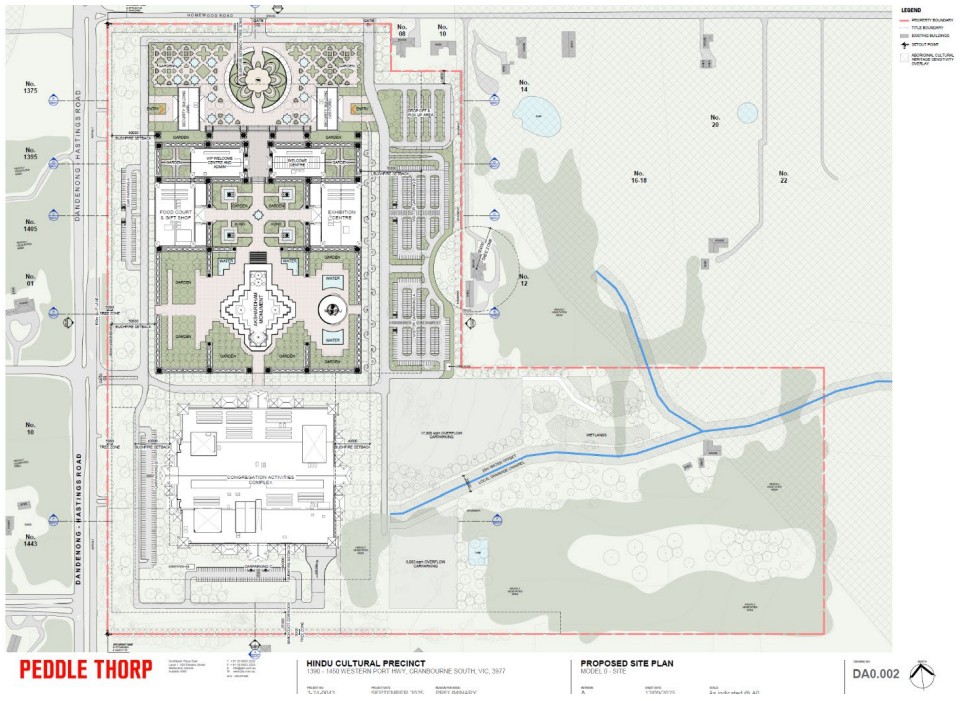
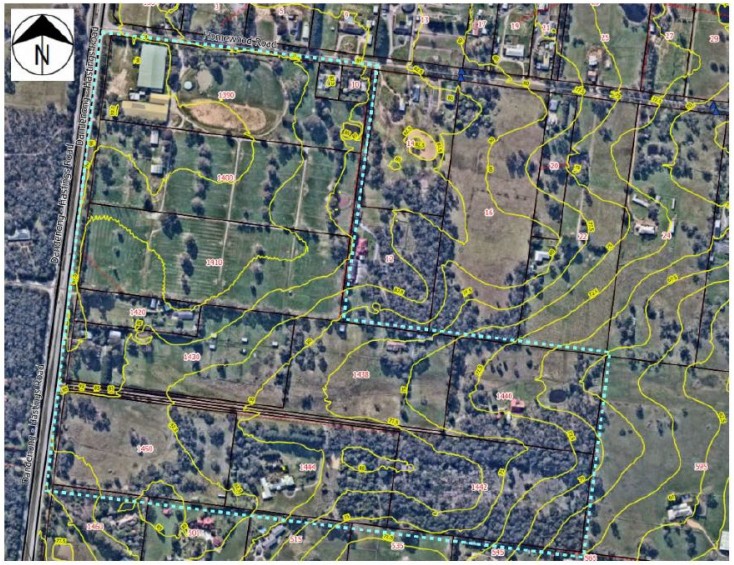
The BAPS Swaminarayan Sanstha Australia’s BAPS Hindu Maha-Mandir complex, which will be spread over 44 hectares and include 1,500 car spaces, has been referred to the federal government for approval due to the size of its environmental footprint and potential disturbance to the Western Port Green Wedge.
Melbourne’s green wedge zones aim preserve the countryside on the city’s outskirts by limiting urban development, and a much smaller $4.5 million temple proposed by a different Hindu organisation in the nearby town of Pearcedale was rejected in August for not being suitable for the green wedge.
Then in October a tribunal overturned Casey Council’s decision to grant a permit to a third Hindu group to build another temple in Cranbourne South on a 2 hectare site with just 17 parking spaces in the green wedge zone due to traffic management issues.
An estimated 2,200 to 2,800 people will visit the BAPS Hindu Maha-Mandir on weekdays, 4,500 to 5,000 on weekends, and up to 10,500 on long weekends and holidays during operating hours of 9am to 8pm, Tuesday to Sunday, according to planning documents.
The precinct will include a temple, welcome centres and administrative facilities, an exhibition centre, security buildings, a gift shop and café, a “congregation activities complex”, and thematic gardens, and if approved construction will begin in 2027 and finish in 2032.
Public consultation on the Cranbourne South site is open until Friday, and residents have raised concerns about traffic and noise caused by the thousands of expected temple attendees, and the long-term environmental effects of the development.
Casey Residents and Ratepayers Association (CRRA) president Anthony Tassone told StarNews the project’s opponents had no issue with the Hindu religion, but were concerned about the potential impact on quality of life and threatened species, including the Glossy Grass Skink and Southern Brown Bandicoot.
“Those visitation levels are comparable to a major metropolitan destination,” he said.
“Local residents are understandably concerned about what that means for traffic, noise, lighting, environmental disturbance and the gradual urbanisation of land that is meant to remain non-urban.”
The Western Port Green Wedge Protection Group has also flagged issues with the proposal, expressing anger at the non-stop efforts to get large temple developments approved in the area.
“The proposal conflicts with the core Green Wedge objectives of preserving the landscape, wildlife and wildlife habitat, agriculture, tourism, agritourism, and appropriate industry,” spokesman David Cole said.
“The intensity of a development of this size brings with it a myriad of high-impact works and activities, from construction through to final use: earthworks, vegetation removal, wildlife displacement, noise and light pollution – all disruptive to residents, harmful to wildlife and stock, and accompanied by a huge increase in vehicle and pedestrian traffic.
“The Western Port Green Wedge Protection Group is resolutely opposed to a development of this scale within Green Wedge land and is frustrated that such situations continue to arise.
“The Western Port Green Wedge Protection Group supports the richness and strength of a multicultural society and recognises the importance of places of worship. We call on local councils and all levels of government to work collaboratively with communities to identify appropriate locations for such facilities within the Urban Growth Boundary, where suitable infrastructure already exists and where the majority of patrons live.”
The group also said locals had not been made aware of the proposal until midway through the public comment period, and said there had been limited community consultation.
Angry locals made similar comments on social media, expressing disbelief that such a large development could even be proposed.
“This is ridiculous! How can any government body even consider approving this gargantuan development in a green wedge ‘protected’ area?” asked one concerned resident.
“Seriously, they just keep going. Something need to be done about the continuous applications,” said another.
“If anyone else was to ask to build on a Green Wedge it wouldn’t make it to this stage it would be thrown out. The Green Wedge is existing for a reason. They want their bloody temple they can stick it out in the sticks on private property away from residential and Green Wedges. One rule for non Caucasian and another for the rest of us, I am over it,” said a third.
But one Hindu commenter accused the opponents of the temple of racism, saying: “Yes, it would have been better not to be greedy when selling your lands and houses to the people from communities you all hate so much. We can’t enjoy the best from both worlds.”
Casey Council said in a statement it was not a formal decision-maker in the proposal lodged with Department of Climate Change, Energy, the Environment and Water (DCCEEW), and that a planning application with council had yet to be lodged.
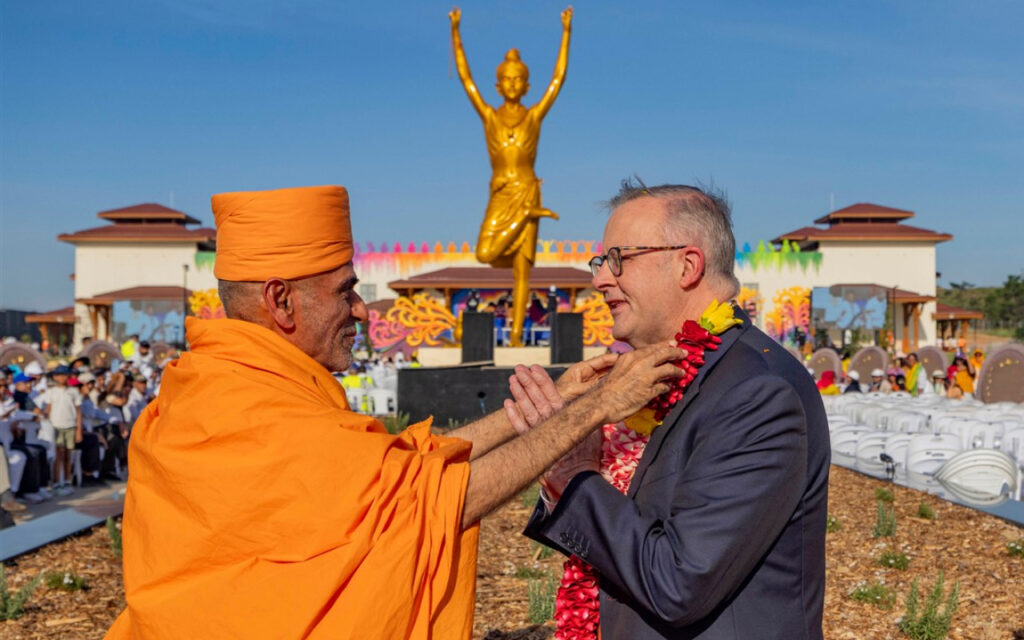
Earlier this year the BAPS Hindu group unveiled a 15 metre-tall statue of religious figure Neelkanth Varni at a massive new temple complex in Kemps Creek, which was attended by Labor ministers. Prime Minister Anthony Albanese then visited a week later for the festival of Holi.
Header image: An artist’s impression of the temple (Stormwater Management Plan – DCCEEW).
The post Indians plan massive $250m Hindu temple for Melbourne outskirts – locals shocked first appeared on The Noticer.
The NoticerRead More






 T1
T1