Ancient RNA Extracted From Extinct Woolly Mammoth Fuels De-Extinction Dreams
European researchers have achieved a milestone in paleogenomics by sequencing RNA from a woolly mammoth specimen dating back approximately 39,000 to 40,000 years, roughly three times older than the previous record for ancient RNA.
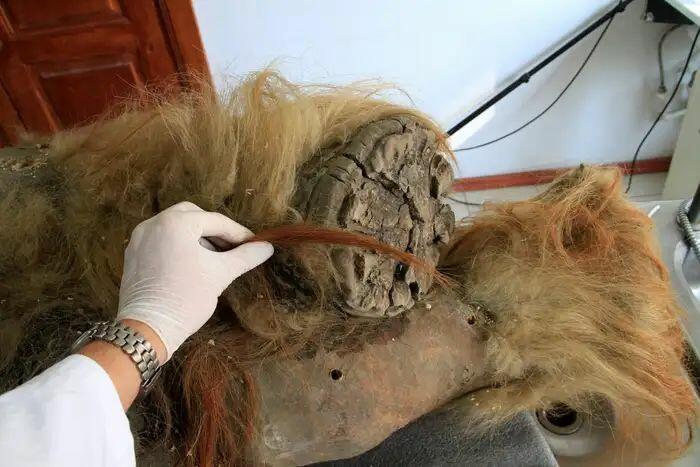
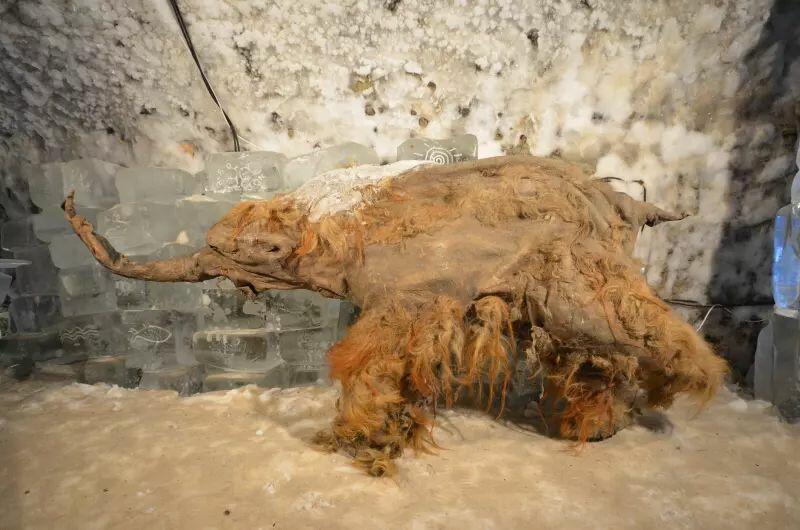
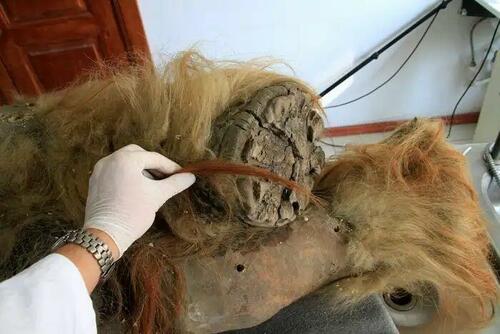
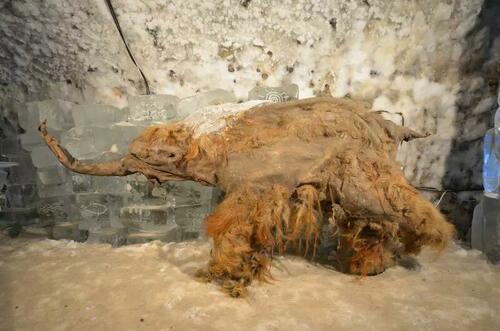
The RNA was recovered from a well-preserved juvenile mammoth known as Yuka, discovered in northern Siberian permafrost in 2010, according to Love Dalén, a professor of evolutionary genomics at Stockholm University and lead author of a study published in the journal Cell. Dalén told the Wall Street Journal that the findings could aid in identifying the genetic traits responsible for the mammoth’s distinctive woolly coat. The researcher first encountered the specimen, named after the Yukagir region where it was found by locals, during a visit to Yakutsk, Russia, in 2012.
Love Dalen
“While the path to de-extinction might be a little bit longer than most people appreciate, I think this is actually a very important steppingstone on the way,” said Marc Friedländer, an RNA biologist from Stockholm University and a co-author of the paper.
The Wall Street Journal notes:
Yuka’s legs were intact, as were the animal’s foot pads and trunk, covered in reddish-brown fur. The skull, genitalia and internal organs were missing. Genetic analyses revealed the animal was a male; some of the RNA had come from a Y chromosome.
RNA, or ribonucleic acid, adds another level of insight into an animal beyond DNA, Dalén said, showing which genes are active in a cell at one time. DNA contains the recipe for how to make an organism, but RNA passes along the instructions on how to build and operate it.
Although the specific RNA sequences have limited direct application to current editing efforts, experts say the proof that RNA survives millennia expands the toolkit for reconstructing ancient biology. This could help prioritize gene edits for traits like thick fur, cold tolerance, and fat metabolism.
“If at some point in the future that we want to bring back the mammoth or other extinct animals, then it’s very important to recognize that we need to understand them not just at the DNA level, but also all the other components that make up an animal, like the RNA and the proteins,” Friedländer said.
“The Russians said, ‘Come with me, and we’ll bring you to see something interesting,’” he said. “They walked me into this room, and there’s this dead mammoth lying on an autopsy table.”
Tyler Durden
Wed, 12/17/2025 – 22:35ZeroHedge NewsRead More






 T1
T1