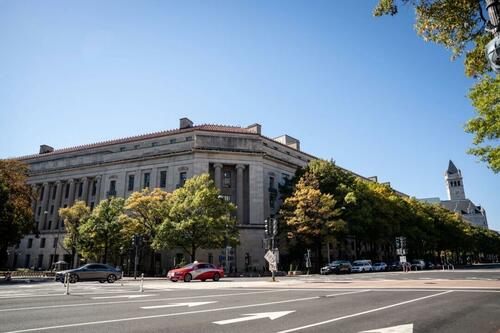
Court Blocks Feds From Searching Materials Obtained In Raid On WaPo Journalist
Authored by Joseph Lord via The Epoch Times,
A federal judge has blocked the government from searching data obtained in a raid last week on the home of Washington Post journalist Hannah Natanson.
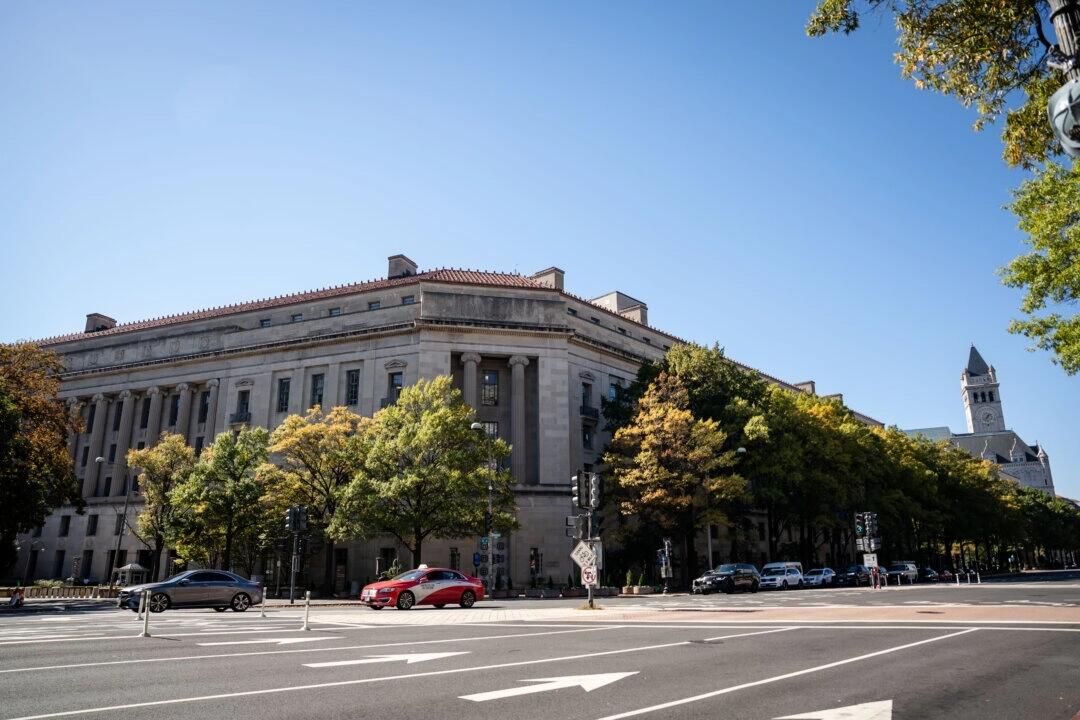
The order from U.S. Magistrate Judge William B. Porter comes after the federal government on Jan. 14 executed a search warrant at Natanson’s home. According to The Washington Post, federal authorities seized a phone, two laptops, a recorder, a portable hard drive, and a Garmin watch during the raid.
The Standstill Order granted by Porter specifically says that the government must “preserve but … not review” the materials obtained in the raid while litigation on the matter moves forward.
An additional motion filed by Natanson and The Washington Post called on the court to order the government to return Natanson’s seized materials. Oral arguments on this motion will be held Feb. 6, with the court holding off on any intervention until then.
The brief order contains no discussions of the case’s merits or arguments, which will be delayed until after the Feb. 6 hearing.
Federal authorities say the search warrant was part of an investigation into a national security leak.
Aurelio Perez-Lugones, a government contractor with top secret security clearance, is at the center of the investigation. According to the FBI, Perez-Lugones is believed to have brought classified information from his job to his home.
In a criminal complaint, the FBI said it found documents marked “secret” and described as “related to national defense” in his basement, lunchbox, and car.
The raid on Natanson was related to this leak, though additional details on the nature of the information have not been provided.
“This past week, at the request of the Department of War, the Department of Justice and FBI executed a search warrant at the home of a Washington Post journalist who was obtaining and reporting classified and illegally leaked information from a Pentagon contractor. The leaker is currently behind bars,” Attorney General Pam Bondi wrote in a post on X.
“The Trump Administration will not tolerate illegal leaks of classified information that, when reported, pose a grave risk to our Nation’s national security and the brave men and women who are serving our country.”
First Amendment Concerns
Meanwhile, critics of the move—including The Washington Post—say that the unprecedented raid represents a major threat to First Amendment protections related to freedom of speech and freedom of the press.
According to the Reporters Committee for Freedom of the Press—which tracks issues affecting First Amendment freedoms as they relate to members of the media—the raid on Natanson’s home marks the first time in U.S. history that the Department of Justice (DOJ) has raided a journalist’s home in connection with a national security leak.
The president of the organization, Bruce Brown, described the raid as “a tremendous escalation in the administration’s intrusions into the independence of the press.”
Following the raid, The Washington Post immediately filed to have the materials returned, citing First Amendment protections and federal statutes that provide extra legal protections to journalists.
“The federal government’s wholesale seizure of a reporter’s confidential news-gathering materials violates the Constitution’s protections for free speech and a free press and should not be allowed to stand,” The Washington Post wrote. “It … flouts the First Amendment and ignores federal statutory safeguards for journalists. The seizure chills speech, cripples reporting, and inflicts irreparable harm every day the government keeps its hands on protected materials.”
The petition called for the court to “order the immediate return of all seized materials. Anything less would license future newsroom raids and normalize censorship by search warrant.”
Privacy Protection Act
Under the Privacy Protection Act of 1980, specific procedures are mandated for obtaining notes, communications, and other work-related data from journalists, requiring that these materials be obtained via a subpoena related to an ongoing criminal investigation.
Subpoenas can also be challenged in court before being executed, in contrast to a search warrant, which is generally only able to be challenged after the fact.
The Privacy Protection Act prohibits the use of standard search warrants as grounds for such a raid.
The bill was passed specifically to overturn a 1978 Supreme Court ruling in Zurcher v. Stanford Daily. In that instance, police had raided a newsroom with a standard search warrant, which the Supreme Court ruled lawful.
Congress, disapproving of the ruling, passed the Privacy Protection Act to make it more difficult for the government to obtain journalistic materials.
The Washington Post cited the statute in its filing, writing that returning the materials is justified as “much of it is protected by the Privacy Protection Act.”
The DOJ has been given until Jan. 28 to file a response to the suit.
Tyler Durden
Thu, 01/22/2026 – 11:45ZeroHedge NewsRead More






 T1
T1