
White House Expects Largest Tax Refund Season As IRS Opens 2026 Filing
Authored by Naveen Athrappully via The Epoch Times,
The IRS announced on Jan. 26 the opening of the 2026 tax filing season.
“The IRS expects about 164 million individual tax returns for tax year 2025 to be filed ahead of the Wednesday, April 15, federal deadline. Taxpayers can find a range of tools and filing options on IRS.gov to help them prepare and file their returns,” the agency said in a news release.
The IRS has various online tools and resources that taxpayers can use before, during, and after filing their federal tax returns, the agency said in a Jan. 8 statement. The One Big Beautiful Bill Act, signed into law by President Donald Trump in July, carries provisions that can help taxpayers lower their tax bills and raise their refund amounts.
“The Internal Revenue Service is ready to help taxpayers meet their tax filing and payment obligations during the 2026 filing season,” IRS Chief Executive Officer Frank Bisignano said.
“As always, the IRS workforce remains vigilant and dedicated to their mission to serve the American taxpaying public. At the same time, IRS information systems have been updated to incorporate the new tax laws and are ready to efficiently and effectively process taxpayer returns during the filing season.”
The White House said in a Jan. 26 statement that millions of Americans are poised to receive “significantly larger tax refunds” this filing season due to the One Big Beautiful Bill Act.
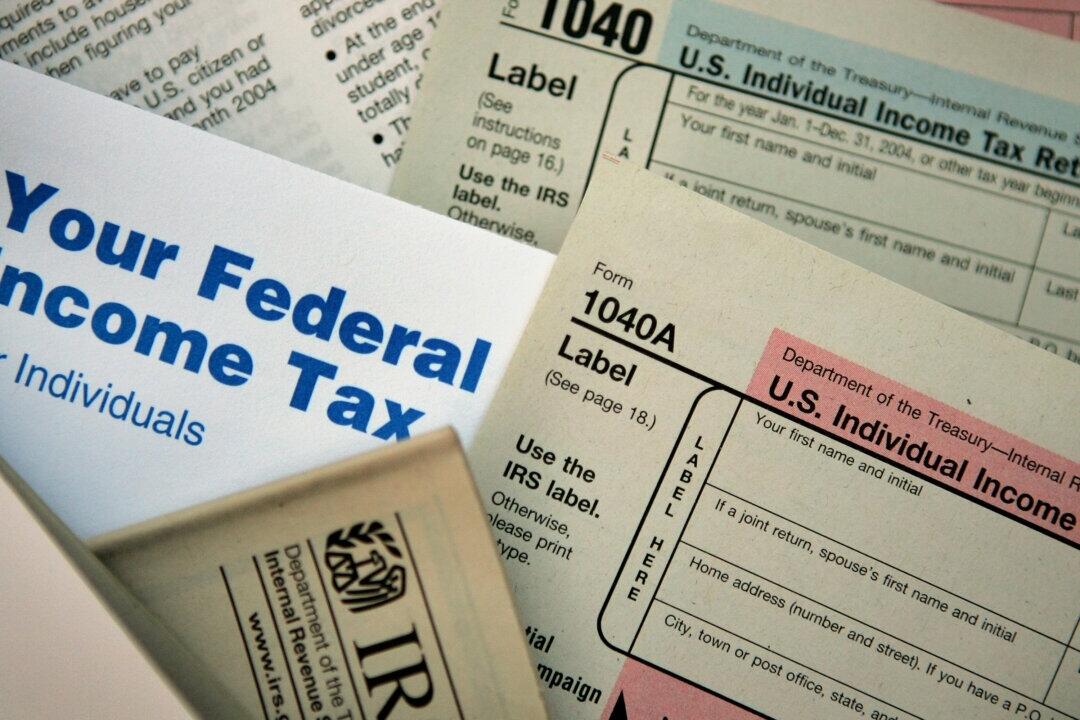
The legislation is set to deliver the “largest tax refund season in U.S. history,” the White House said, projecting average refunds to jump by $1,000 or more, citing various analyses.
Some of the key provisions of the bill contributing to higher refunds are no taxes on tips or overtime up to certain income thresholds, an additional deduction for seniors, and a deduction in auto loan interest payments.
An analysis made by the Tax Foundation cited by the White House expects tax refunds in 2026 to average $3,800 per taxpayer due to the legislation.
Comparatively, the refund amount was $3,052 in tax year 2024 and $3,004 in 2023.
In its latest statement, the IRS said that most refunds are issued within 21 days. However, refunds that require additional review from the agency may take longer.
Direct deposit is the fastest way for taxpayers to receive a refund, according to the agency. The IRS began phasing out paper refund checks beginning Sept. 30, in line with a March 25 executive order signed by Trump.
The order, “Modernizing Payments To and From America’s Bank Account,” stated that the use of paper-based payment systems by the federal government was imposing “unnecessary costs; delays; and risks of fraud, lost payments, theft, and inefficiencies.”
It asked all departments and agencies to comply with the directive by transitioning to an electronic funds transfer system. Paper checks were allowed for certain exceptions, such as individuals who do not have access to banking services, and emergency situations where electronic payments would cause “undue hardship” for the recipient.
Taxpayers are urged to provide their bank account and routing numbers for their refunds to be electronically deposited.
The IRS estimates most refund payments for the Earned Income Tax Credit (EITC) and the Additional Child Tax Credit (ACTC) to be reflected in the bank accounts or debit cards of taxpayers by March 2. This is only applicable for taxpayers who have chosen the direct deposit option, and whose returns do not face any issues with processing.
Taxpayers can track their refund status by using the IRS Individual Online Account, IRS2Go app, or the Where’s My Refund? tool, the agency said. Where’s My Refund? is expected to offer projected deposit dates for most of the early EITC and ACTC refund filers by Feb. 21.
“As America celebrates its 250th anniversary, the IRS and its employees are excited to once again serve American taxpayers in meeting their tax filing obligations during the 2026 filing season,” Bisignano said. “The IRS encourages taxpayers to speed the processing of their returns by using e-file, instead of paper.”
IRS Readiness
Meanwhile, a Sept. 29 audit report issued by the Treasury Inspector General for Tax Administration had raised concerns about the IRS’s ability to handle the 2026 filing season.
“Several initiatives reduced the IRS workforce since January 2025,” the report said. “Key IRS functions responsible for managing the filing season have lost 17 to 19 percent of their workforce.” In addition, the IRS’s Information Technology function has faced staffing losses as well, it said.
“We expect workforce reductions to impact key processing programs and customer service going forward. We are concerned about how this will impact the 2026 Filing Season.”
However, in the Jan. 8 IRS statement, Acting IRS Commissioner Scott Bessent said that the agency had prepared for the 2026 filing season.
Even before the passage of the One Big Beautiful Bill Act, “Treasury and IRS were diligently preparing to update forms and processes for the benefit of hardworking Americans,” Bessent said.
“President Trump is committed to the taxpayers of this country and improving upon the successful tax filing season in 2025.”
Tyler Durden
Tue, 01/27/2026 – 14:00ZeroHedge NewsRead More






 T1
T1