On the 31st of December I put out a post going over all of the books which I had read over the course of that month, as promised here I am again writing on the 31st of January. The last installment was received rather well and one of you even kindly sent me a book which you’d authored. I look forward to reading it and reviewing it here when I find the time to read it!
I only managed to read six books this month, an unusually small tally for me. This was due to one book in particular which I termed the ‘bane of my existence’ on my recent podcast appearance with eating up all of my time.
Anyway, here you go.
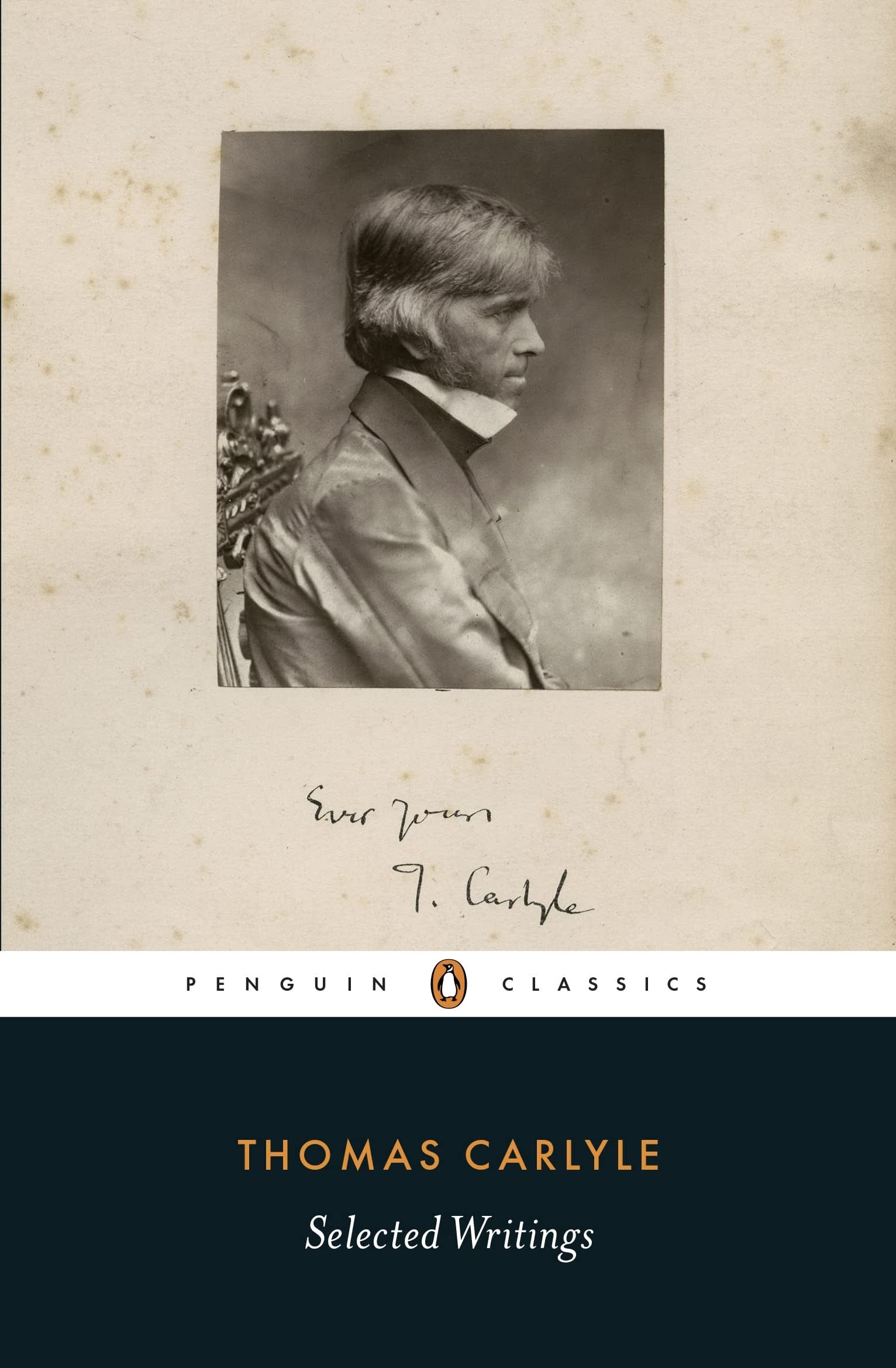
Selected Writings by Thomas Carlyle
I’ve never particularly been one for philosophy, always finding myself far too busy to deviate away from history. The same can be said for fiction, I just don’t really read it. For about two years now, though, I’ve been getting pestered by a friend of mine to at least try to read some Carlyle, as he reckoned it would appeal to me specifically. Naturally I figured this was the best place to start and once I picked it up I couldn’t put it down. Carlyle, I find, has a great way of cutting to the root of problems even if he perhaps doesn’t know the perfect solution for those problems. Identifying them at least is more than can be said for most of his or my own contemporaries.
Chartism, which was quoted in full, I found particularly fascinating. Rare for his time, Carlyle was actually able to understand the plight of the working man without diving off the deep end into extremes, a topic Carlyle is particularly fond of reiterating and relating back to his classic work on the French Revolution, a warning which echoed into his own time and showed signs of repeating itself (as it later did in Russia).
The editor of this particular work seems to hold an intense disdain for Carlyle, which is a bit annoying at times, but he doesn’t harp on too much and mostly just lets Carlyle’s works speak for themselves.
Overall a great introduction which has made me very excited to read Carlyle’s works on Cromwell, the French Revolution and Frederick the Great when I have more time after finishing this Rhodesia project.
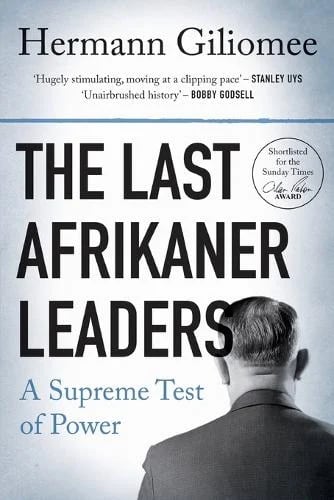
The Last Afrikaner Leaders by Hermann Giliomee
I picked up The Last Afrikaner Leaders as I’d found a used copy for a few pounds, assuming that inside there would be more information on the South African relationship with Rhodesia. I ended up finding nothing of the sort really, Rhodesia was mentioned about twice, tops, and the book is a sweeping overview of the Afrikaner’s attempt to navigate the difficult racial climate of the second half of the 20th century. Very interesting in its own right, although perhaps not as detailed as I’d like. Good overview for a beginner to the topic.
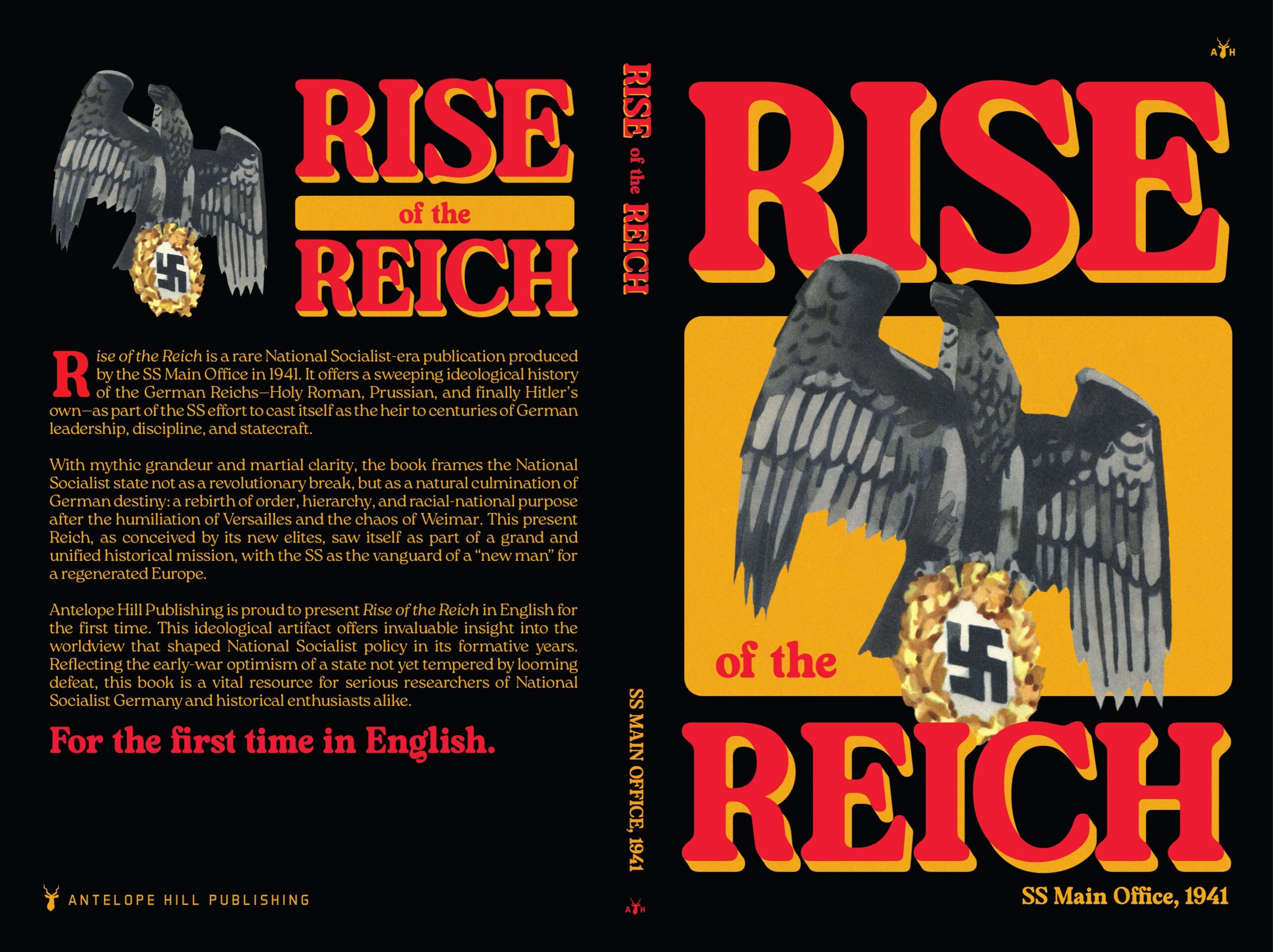
The Rise of The Reich by SS Main Office
During my time on YouTube I was always bombarded by companies seeking to work with me, the only two companies I ever accepted working with, though, were Antelope Hill and David Irving’s Focal Point Publications. I didn’t want to unload slop on people and wanted any advertisements to be relevant.
The former I’ve worked with fairly extensively, read a decent chunk of their books and know for a fact that they reliably put out great stuff. I’ve never been disappointed with any of their original works or translations. There is a reason I chose to approach them before anyone else to ask about publishing my book on Rhodesia and I’m very glad they accepted.
This particular book, The Rise of The Reich, is a history put out by the SS to frame themselves as the logical end point of all German history leading up to the point of the book’s publishing. It’s a fascinating little book, translated by a very good friend of mine, actually, and the second such translation of his for AH, the first being The Battle of Berlin by Joseph Goebbels, which I’m looking forward to reading when I cover Goebbels soon!
The book itself is effectively just propaganda for the masses, the history framed in the most comically pro-Germanic way possible to the point of it being laughable in parts, but it’s very interesting to see the view of history that the SS was trying to cultivate, after all, that’s the point of the book being published. Just keep that in mind when you’re reading it.
An absolutely fascinating short read. You can get through it in an hour or so. And, obviously, I can’t recommend Antelope Hill in general enough. Always the best in the game, consistently.
Leaving a Legacy by Johann Kurtz
I only recently became familiar with after my recent pivot to Substack, specifically it was an interview with . His book, which he had recently released, sounded fascinating to me and he very kindly sent me a copy when I got in touch with him.
Leaving a Legacy essentially describes how great families of the past utilised their riches properly and how, in our modern world, this great wealth is frequently squandered to the detriment of everyone. The whole Boomer/Gen X model of leaving your children with nothing, often even teaching them nothing, is torn to shreds. Johann explains a better path forward for those in this day and age who wish to actually pass something down to their children and create something generational which benefits not only their own family but society as a whole.
I already held to most of the ideas put forward in this work but I found it absolutely fascinating, especially as I have two young children of my own now with plans to have many more. A work I will certainly revisit many times over the course of my life!
Johann’s work in general is great here on Substack, if you aren’t familiar with him then please do check him out.
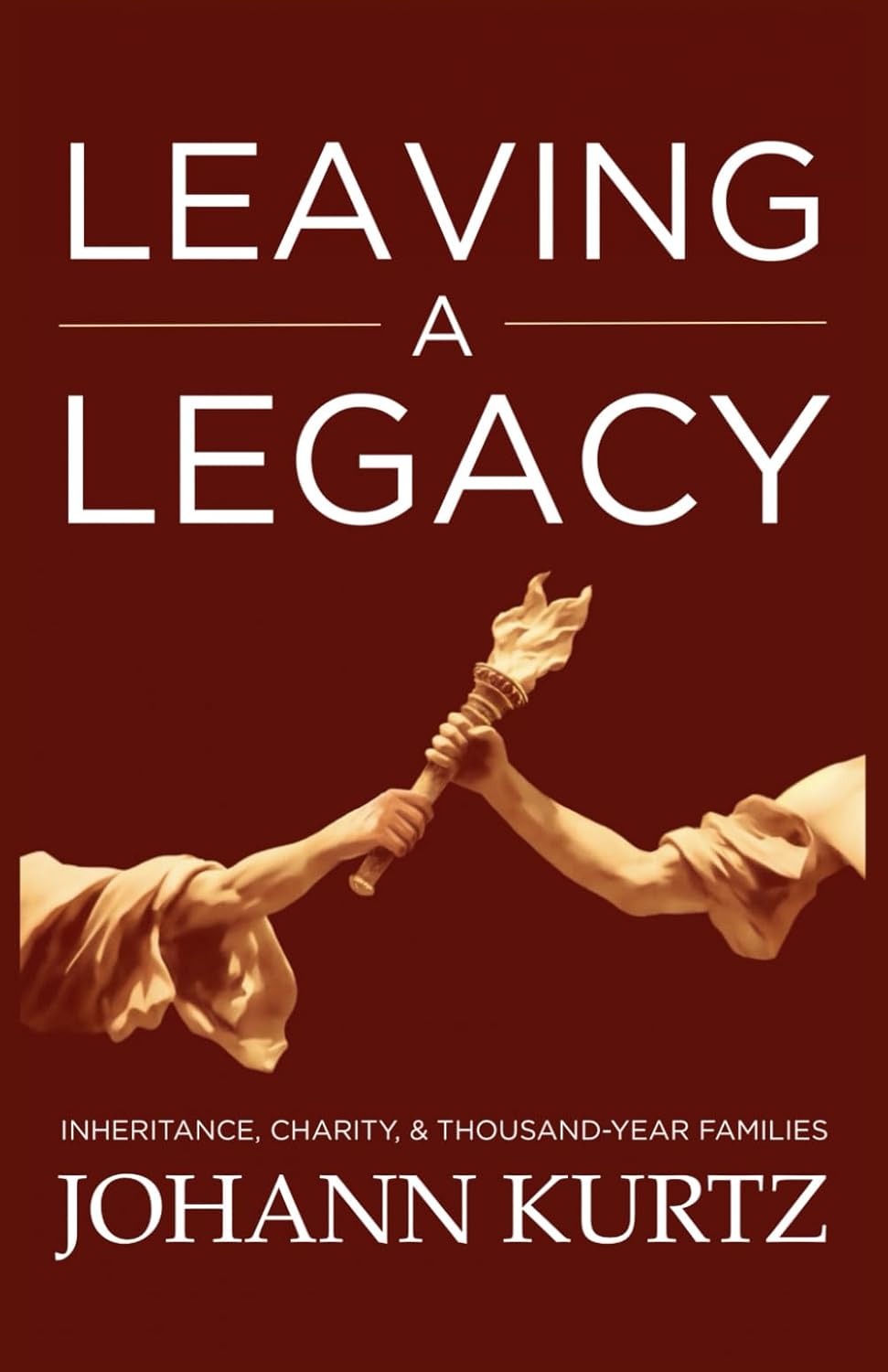
Garfield Todd: The End of The Liberal Dream in Rhodesia by Susan Woodhouse
Garfield Todd’s story has always fascinated me although there were only ever snippets of his antics in other, broader works on Rhodesia which I’d read. I decided an actual biography of the man would help me not only in the writing of my book but also in the writing of an article about his political life. Woodhouse worked for Todd for decades and the biography, as you can well imagine, is a fawning one which worships the ground Todd works on.
Regardless, after doing this for a while you can easily figure out how to read through the bias and so liberal histories aren’t always the worst things in the world. I’m not particularly sure why the average reader with an interest in Rhodesia would ever pick this book up, details of Todd’s life as a missionary in the first half of the book are pretty tedious and the book in general was much longer than it needed to be.
Regardless, though, I wouldn’t have been able to write my article without it and much as I expected Todd’s story garnered a fair bit of interest, even from Elon Musk, who posted about my article!
Despite all of the aforementioned bias Garfield Todd: The End of The Liberal Dream in Rhodesia is actually an interesting read if you’re particularly interested in Todd, which I am. His story of siding against his own people no matter what really just goes to show how far some liberals will go. Todd’s own neighbours were murdered or forced into emigration by the very terrorists which Todd was helping on his ranch, when Mugabe came to power his own daughter was raped and Todd’s citizenship was revoked. A bizarre story in which Todd never wavered in his support for African terrorism.
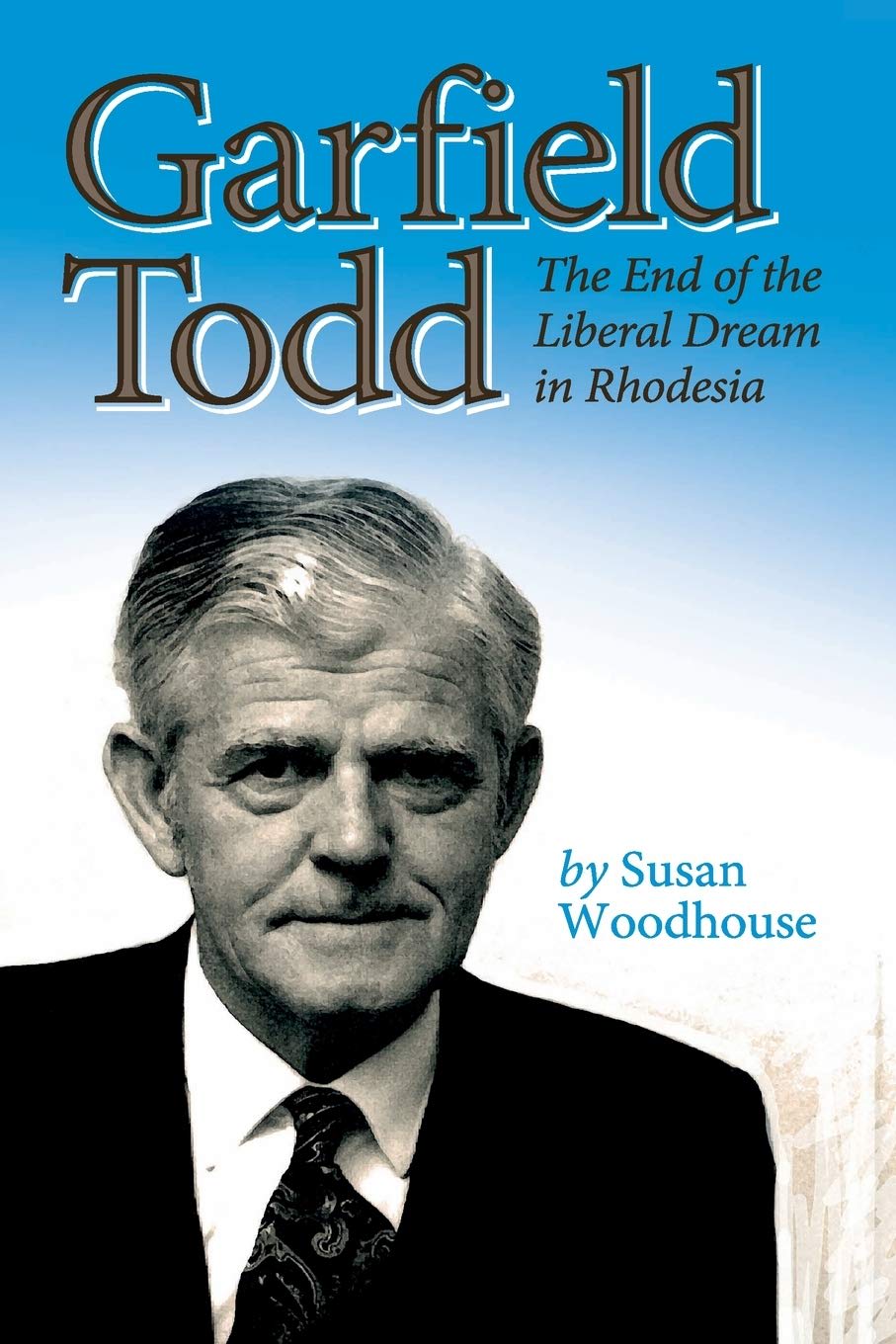
So far and no further! by J R T Wood
As mentioned in my interview with The American Tribune, this book has been the bane of my existence for the past couple weeks. So far and no further is easily one of the most dense books I’ve ever read with almost 500 gigantic pages consisting of two columns per-page with miniscule text. Wood’s work is incredible and he has a few more like this one which cover The Federation as well as later Anglo-Rhodesian negotiations once UDI had actually been declared. Many daunting reads await me.

There is zero reason on planet earth for any casual reader to ever touch So far and no further! with a ten foot barge pole. There are plenty of far more concise books on the lead-up to the Rhodesia declaration of independence. I’ll be writing an article soon which will include all of these.
But yes, very dense book, so much information, absolutely vital for me when it comes to writing my videos and my book, but also just an absolutely brutal slog to get through. Just let me do it so you don’t have to, I suppose that’s my job after all!
That’s all folks, see you next month!
Zoomer HistorianRead More








 T1
T1