How To Feel Joy In A Dopamine-Saturated World
Authored by Sheridan Genrich via The Epoch Times (emphasis ours),
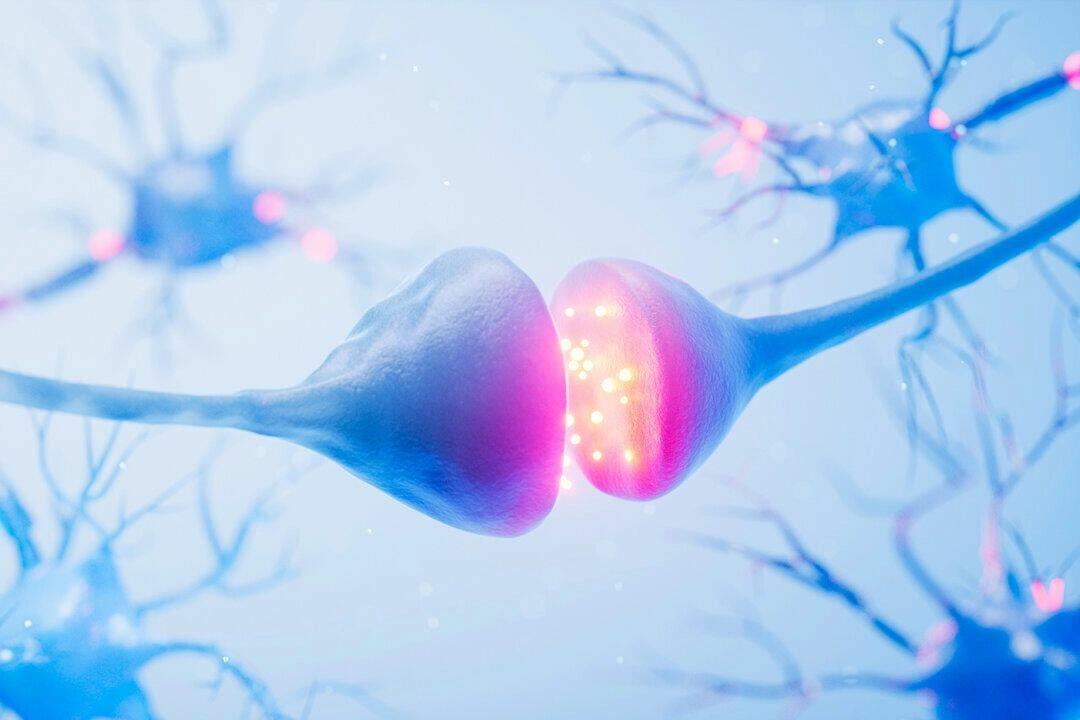
Your brain treats what it sees in Instagram reels the same way it treats cocaine. Both experiences flood a thumbnail-sized region of the brain with dopamine—a chemical that makes you want more, right now. The problem is that after a certain amount of dopamine hits, your brain adapts by turning down the pleasure volume. As a result, things that once made you feel good are no longer enough.
If you’re finding it harder to feel simple joy and genuine connections, you’re experiencing what addiction psychiatrists now recognize as dopamine overload, a state where constant stimulation—especially from cellphones, social media, and ultra-processed foods—quietly erodes your ability to feel your happiest emotions and leaves relationships feeling painfully empty. However, there is hope—through learning to rebalance our reward systems, we can rediscover contentment in simple things.
The Dopamine Hijack
Dopamine is a brain chemical messenger that helps drive motivation, heightens anticipation, and reinforces the experiences your brain labels as rewarding. In healthy balance, it nudges us toward naturally meaningful activities—such as working toward goals, sharing meals, spending time with friends—that have long supported survival and human connection.
However, modern life delivers dopamine in doses and speeds the human brain is not equipped to handle.
“Things that are addictive release a whole lot of dopamine all at once in a part of the brain called the nucleus accumbens,” Addiction psychiatrist and author Dr. Anna Lembke, a leading voice on how modern habits hijack the brain’s reward circuitry, told The Epoch Times. “The more dopamine that is released there, and the faster it is released, the more likely we see addictive behavior.”
* * * Get 30% off in February on Peak Focus!
With long-term exposure to highly addictive substances and behaviors, Lembke said, the brain undergoes neuroadaptation. “It starts to downregulate dopamine receptors to bring levels back to baseline, and people actually end up in a dopamine deficit state—below normal levels of dopamine firing.” In other words, the brain turns down its sensitivity to dopamine, leaving people feeling flat unless they keep chasing stronger stimulation.
Over time, this process fundamentally shifts what it takes to feel normal.
“We change our hedonic set point. We need more of the substance, in more potent forms, just to bring dopamine levels back up to baseline,” Lembke said. Sugar and short‑form videos strongly stimulate the same dopamine‑based reward pathways targeted by drugs and alcohol, which can lead the brain to treat them as if they were vital rewards.
To adapt to all the dopamine, the brain may settle into a dopamine deficit state, which can feel like clinical depression, anxiety, or emotional numbness.
When Everything Feels Numb
As dopamine overload persists, many people describe a kind of emotional numbness: feeling flat, struggling to enjoy life, and growing distant from loved ones.
“You can have this numbing or narrowing phenomenon where nothing brings joy anymore,” Lembke said. “People feel flat, anxious, or disconnected, and it can look a lot like depression.”
The difference is that clinical depression often responds to medication and therapy. Dopamine overload requires something simpler, though not easier: you have to stop the activity that creates it.
Growing evidence links heavy digital use to mental health symptoms, including anxiety, depression, loneliness, and altered decision‑making. Lembke pointed to experiments in which people either quit social media for three to four weeks or cut back to about 30 to 60 minutes a day, which resulted in reported improvements in anxiety, depression, and loneliness.
Lembke offered a practical diagnostic test: “If you’re not sure you’re addicted to something, just try stopping it for 30 days. The level of difficulty you have doing that can tell you a lot about the nature of your attachment.”
The 30-Day Reset
The good news is that the brain’s reward system is not fixed. It is adaptable and can relearn to find satisfaction in real, offline experiences. A long enough break from high‑dopamine habits, Lembke said, gives the brain space to switch its reward system back on and start producing feel‑good chemistry again.
“When people stop an addictive behavior, their dopamine levels do not crash forever—they tend to feel worse at first, then gradually better,” Lembke said, noting that most people begin to emerge from acute withdrawal after about 10 to 14 days as cravings ease. By weeks three and four, many report feeling better than they have in months or even years.
For many, a 30‑day abstinence trial—or “dopamine detox”—is a realistic window to start resetting reward pathways and feeling the benefits, she said. In practical terms, that often means roughly two tough weeks, a couple of weeks of gradual relief, and about a month to sense a genuine reset.
Experts have found that the goal of a dopamine detox is not to eliminate dopamine—which would be impossible and unhealthy—but to reduce overstimulating habits so the brain can rebalance and you can enjoy slower, more meaningful rewards again.
To make a detox doable in everyday life, Lembke focuses on self‑binding—setting up guardrails that make it harder to slide back into the habit.
- Create Physical Barriers: Don’t rely on willpower. Delete apps and unsubscribe from feeds. Clear alcohol, drugs, junk foods, and trigger foods out of your house.
- Choose Low‑Dopamine Substitutes: Swap mindless scrolling or snacking for reading, walking, hobbies, or time in nature that offer calmer, more lasting rewards.
- Set Firm Boundaries: Build device‑free blocks into your day, keep phones out of the bedroom, and avoid constant multitasking that chases tiny hits of stimulation.
- Build Basic Routines: Regular movement and sleep, and nourishing food help steady both dopamine and stress systems.
- Watch for the Binge Cycle: Notice any “all or nothing” streaks—days of restraint followed by blowouts—that tend to spike dopamine and crash mood.
- Do Hard Things in Small Doses: Cold showers, morning exercise, cleaning out a messy closet, meditation, are activities that require effort up front but leave you feeling better afterward. They teach your brain to generate its own satisfaction instead of depending on quick hits.
- Track the Evidence: Track sleep, mood, and focus for a few weeks as you cut back; small changes are often a sign your reward system is resetting.
Rediscover Natural Rewards
Once you start lowering quick dopamine spikes, it becomes essential to lean into natural sources of pleasure—the kinds of activities that have long supported human well‑being.
- Exercise: Regular movement can lift mood and support healthy dopamine, serotonin, and endorphin signaling in a steady, sustainable way. A 20-minute walk does more for your brain than an hour of scrolling.
- Social Connection: Deep conversations, laughter, and physical affection engage reward and bonding systems that help protect against stress and isolation. Face-to-face always beats FaceTime.
- Mindfulness and Meditation: These practices can calm the stress response and gradually restore motivation for simple, everyday joys.
- Creative Engagement: Making or enjoying art activates reward pathways without the same risk of desensitization seen with high‑intensity digital rewards.
- Meaningful Challenge: Working toward meaningful goals gives real dopamine hits linked to effort and progress, not just novelty.
- [ZH: Men, stop jerking off so much]: So we hear…
Scientific reviews and clinical programs highlight that turning toward natural rewards, rather than engineered instant ones, is how the human brain is built to thrive.
It may be time to get professional help if cutting back makes you very anxious, low, or causes withdrawal‑like symptoms that make normal life harder. You should also talk to a clinician before any dopamine detox if you have serious mental health symptoms such as suicidal thoughts, psychosis, or very bad depression or anxiety; a history of addiction or substance problems; or take medicines that affect dopamine, such as antidepressants, stimulants, Parkinson’s drugs, or antipsychotics.
Build Lasting Contentment and Hope
Lasting contentment rarely comes from a one‑time “detox.” It grows from small, steady changes, ideally with support from others.
Staying connected to encouraging friends, family, or groups makes it easier to keep healthier habits and to recover from relapses. Simple routines such as swapping one high‑dopamine habit at a time, checking in daily on triggers and small wins, and giving yourself credit for each step forward help progress stick.
If emotional numbness or compulsive cycles continue, seek help from a mental health professional who can guide you toward feeling stable and engaged with everyday life again. For anyone feeling overwhelmed or out of control, take heart—with support and steady effort, many people rebuild their lives and rediscover real pleasure in simple, everyday moments.
Tyler Durden
Thu, 02/05/2026 – 20:55ZeroHedge NewsRead More






 T1
T1