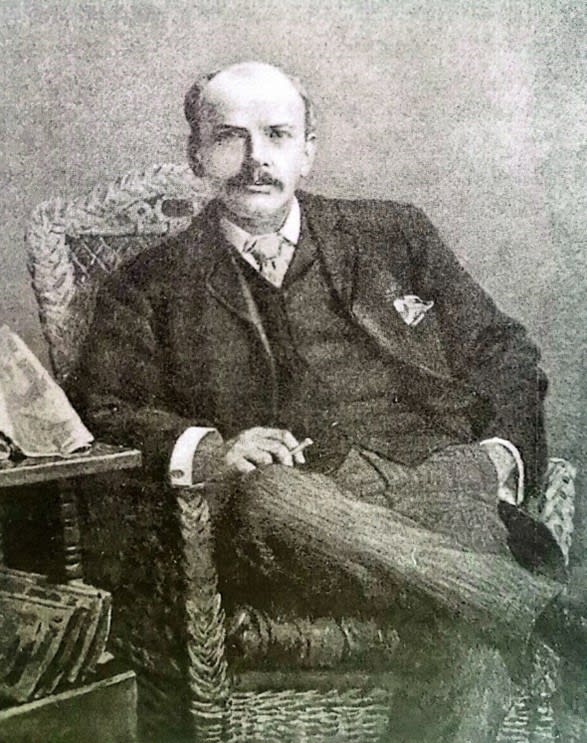
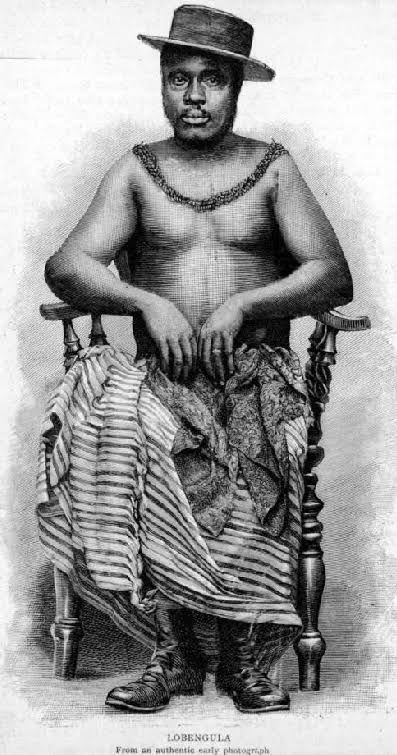
On 11 February 1888, King Lobengula of the Matabele signed a document which he believed granted him British protection. In return, Lobengula had vowed not to cede any of his territory to other powers without British permission. A few months later, Cecil Rhodes, the diamond magnate who dreamed of painting the map of Africa between the Cape and Cairo British red, decided to push for more.
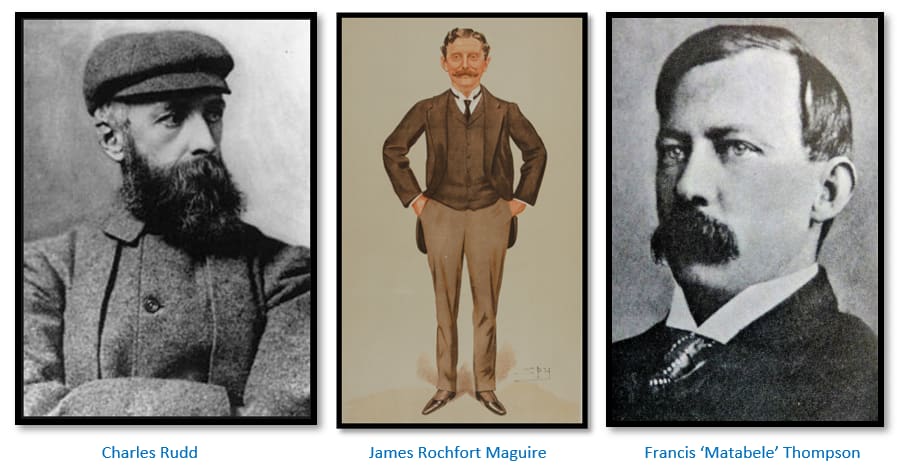
An Anglo-Irish trio of Charles Rudd, Francis ‘Matabele’ Thompson and Rochford Maguire was dispatched to Matabeleland on 15 August, carrying the huge sum of £1000 and a letter from Sir Hercules Robinson, the High Commissioner for Southern Africa, on behalf of Queen Victoria. A consignment of hard liquor was brought along, too, for the King was a notorious alcoholic.
The trio set themselves up on the outskirts of Bulawayo, the Matabele capital. Maguire remarked of his surroundings:
‘Gad, what a beastly place that kraal is, what unspeakable filth! I’ll never get these trousers clean after sitting in all that dung, and it’ll take me the rest of my life to get the smell of those n****rs out of my nostrils!’1
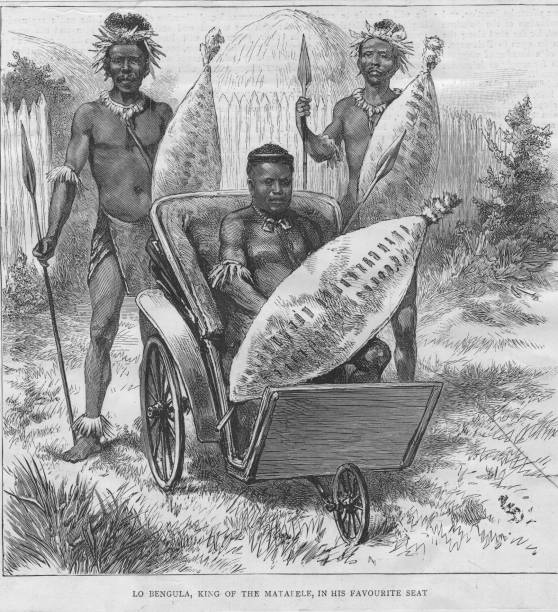
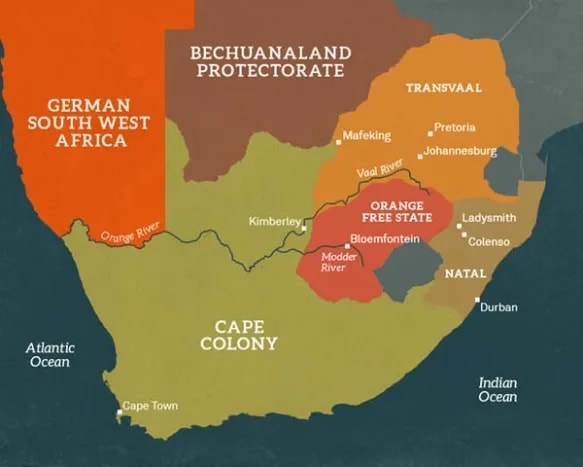
The Whites would be forced to wait an awful long time before they received an audience with the King. Lobengula’s Indunas2, were, almost to a man, in favour of just killing every White man in the city and being rid of them once and for all. The King, however, was not as foolish as this. His predecessor, Mzilikazi, had been pushed up north over the Limpopo by the Boers, and interactions with the White men were now clearly an unavoidable fact of life. The Whites would always ask for more and more, but, through diplomacy, perhaps Lobengula might end up like King Khama in Bechuanaland, who had fallen under Britain’s protection and benefited greatly as a result.
Still, the King was indecisive and being pulled in two different directions at once. His Indunas were chewing his ear off about a violent solution, whilst he favoured diplomacy. Pacifying the aggressive Indunas was no easy task. There was also Lotje, essentially his Prime Minister, who spoke out in favour of the Whites. But which ones? Bulawayo was full of Boers, Germans and Portuguese as well. As Ransford writes in The Rulers of Rhodesia:
‘The other Europeans, however, slandered the new arrivals at every opportunity and the events of the next few weeks are a confused story of clandestine negotiations, bribery, deals that never came off, intrigues, and denigration of other concessionaries.’3
It was to be a boring existence as the trio awaited their audience with Lobengula. There was little they could do except play backgammon in their hut and, when they ventured out for a walk, they were stalked by hordes of men, women and children who were convinced that the White men were up to no good. On one occasion, the Irishman, Maguire, ‘decided to risk a bathe in the Umguza River which flowed near the royal kraal.’4 After stripping off and wandering into the river, Maguire pulled out his toothbrush and dipped it into his red tooth powder. For the natives watching this was quite enough, ‘the White man was definitely bewitched.’5 A crowd of yelling warriors snatched his clothes, and Maguire was left with merely his towel. It took a lot of bartering to get them back later.
Eventually, though, the trio managed to get their audience. They were forced to kneel on the manure-covered floor of the filthy goat kraal whilst they, along with Lotje, attempted to persuade the King to allow them to dig for gold in his country. Lotje pleaded with his King:
‘Son of the Black Cow, we know the White men. If they want to come here and dig for gold, they will come whether you say yes or no. If we kill these white men, others will follow, and they will come with the sticks that kill from afar. We will never live in peace if we do not give them what they want. And it is better that you sign the paper of these three white men who speak for Ulodzi [Rhodes]. He is a big induna, and will keep the others out of our country if he only has the right to dig for gold. I think you should do as they ask, O King.’6
After several more tedious meetings, the King put his seal to an agreement which granted the Whites permission to dig for gold in his country. In return the King was promised 1,000 Martini-Henri rifles, 100,000 rounds of ammunition and a gunboat on the Zambezi. On top of this, Lobengula and his dependents would receive £100 per month for the remainder of their lives.
The King had, of course, just signed his country away. It was not about mining. To Rhodes, a little dishonesty was worth it in order to achieve his dream of settling the land and building a society where ‘Englishmen of character and industry could build a homeland and thrive.’7 The contents of the soil only served as an attraction to bring these Englishmen to ‘Zambesia’ in the first place. Had Kimberley8 not been simply empty space before hordes of adventurers descended upon it? Had not so many men already been attracted to the Australian colonies, where they then built a Britain of their own across the world, by the same prospects of great wealth? Could the same not be said of the American West and of the Spanish and their hunt for El Dorado? What did a lie to perhaps the world’s most savage King matter when weighed against all the good it would bring? Rhodes’ logic, although perhaps distasteful in the short term, was for the best in the long term.
The Pioneer Column
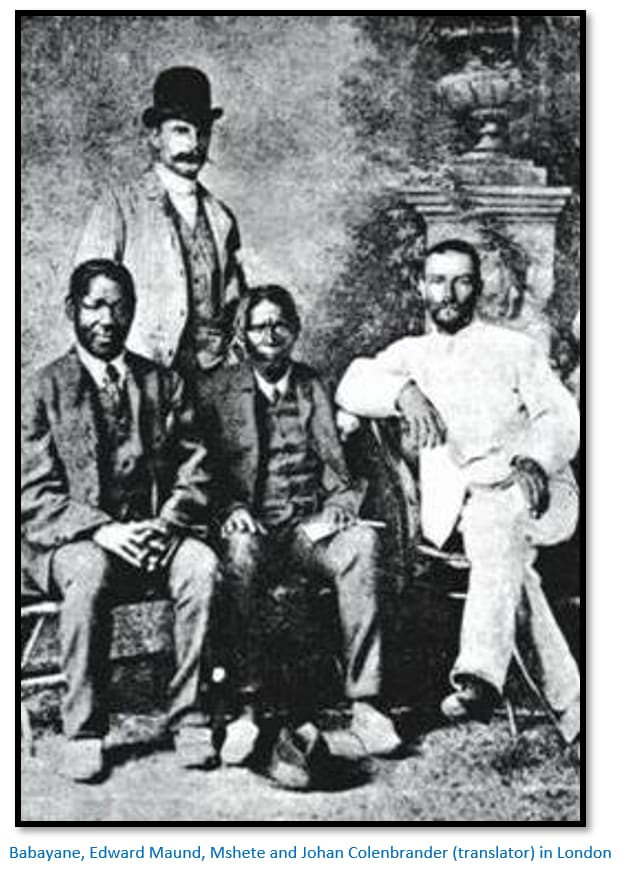
News of the document quickly spread and word began to filter back to Bulawayo of how it had been interpreted. The King, inundated with advice from his own indunas and subject to intrigue from Rhodes’ rivals, and the Boers especially, quickly decided that he had been duped. Lobengula, the other White men said, had just given away his country for nothing, and they came armed with a collection of newspaper clippings to prove their point. The Matabele King decided to dispatch two emissaries of his to go and see the Great White Queen in England to resolve the matter. The Boer’s complicity in this scheme is obvious, given that the two emissaries were not only allowed to travel through their lands but also on the inside of a mail coach, almost certainly the first two Blacks to ever do so in the Transvaal.
Rhodes, too, set off for London. He was able to ‘square’ the other rival concession seekers and convinced them to join forces with him. The man who was escorting the two Matabele emissaries was now, through this amalgamation, also Rhodes’ man. The emissaries were able to exchange pleasantries with Queen Victoria, but that was about it; there was to be no actual meeting. They were, however, given a grand tour of London with no expense spared before being sent back on their way.
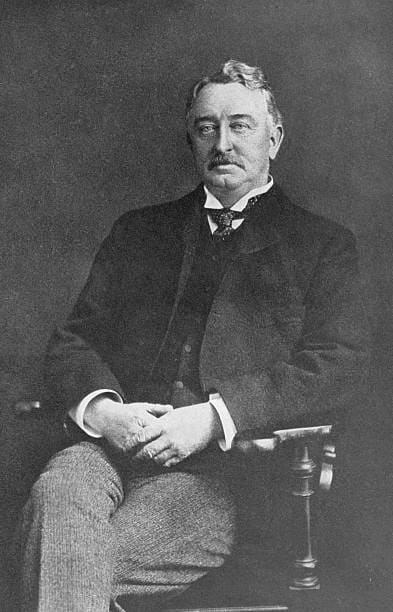
Rhodes was by now extremely famous back home in England, and his arrival was much anticipated. It was with this boundless prestige, and with a cheeky bit of bribery, that here in London he managed to secure his much-desired royal charter on 29 October. The aristocracy was the hardest nut to crack in this regard, but even here, much to his surprise, Rhodes found that a clique of noble supporters had quickly gathered around him, who were ready to do whatever it took to support him. When he arrived in England he was famous with a mixed reputation. When he left, Royal Charter in hand, he was the darling of the nation and the City of London ‘was confident that a torrent of wealth would soon flow from the Mashona goldfields.’9
The British South Africa Company was born, and Rhodes, essentially, had been given a free hand in the north with no fixed boundary. A clear path into the very heart of Africa. The Company was free to form a police force, enter into treaties, acquire further concessions and exercise ‘powers necessary for the purpose of government, and the preservation of public order in or for the protection’10 of the territories they controlled. The only very limited restrictions related to a promise to abolish the slave trade, limits on the sale of alcohol to natives, a promise to respect local customs and another to refrain from interfering with native religious practices unless it was necessary in the interests of humanity to do so. Rhodes had now overcome almost every hurdle to begin his dream.
Lobengula soon got word of Rhodes’ charter and fired off another desperate message to the Great White Queen: ‘The White people are troubling me much about gold. If the Queen hears that I have given away the whole country, it is not so. I do not understand where the dispute is because I have no knowledge of writing.’11 No one was listening. The British had washed their hands of the issue. The Queen White Queen was happy for Rhodes to do as he wished.
The King grew increasingly jumpy and called a meeting of his advisors. Here, on a whim, Lobengula had Lotje, one of his top advisors responsible for the concessions to the White men, executed. This was not enough blood for Lobengula. Lotje’s entire family were then put to death, men, women and children alike. The death toll ran into the hundreds.
Rhodes, meanwhile, was in Kimberley mulling over the practicality of an expedition to occupy Mashonaland. At first, the entire ordeal seemed expensive even by Rhodes’ standards. General Carrington of the Bechuanaland Border Police put the cost at one million pounds for 2,500 men. Rhodes was discussing the matter with a young man named Frank Johnson12 in Kimberley who, in response, came up with a far more practical arrangement costing 87,000 pounds. Carrington, Johnson suggested, was being over-cautious. Rhodes, himself once a young opportunist, decided to take the risk and threw his lot in with the twenty-three year old Johnson.
After declaring on a whim that 250 men would be enough, when Rhodes was complaining about the cost of the expedition over breakfast, Johnson was then tasked with showing he really meant it. Despite 250 simply being thrown out ‘purely from a desire to cheer Rhodes up’13, Johnson, now in too deep, accepted his task and within four hours the young man returned with a full breakdown of how the expedition would work. He was, after all, one of the few White men who actually knew the lands that were to become Rhodesia. Johnson recalls:
‘For about fifteen minutes Rhodes was a changed man and became as optimistic and full of good spirits as a schoolboy. Detail was never his strong point, but he could follow it closely enough to see at a glance that, from his point of view, there was, broadly speaking, nothing materially wrong with my estimates. I say ‘from his point of view’ because even a 25 percent margin of error would have been nothing to him financially.
Then he looked straight at me, grey eyes flashing, purposeful.
‘’Good! I accept your offer, and you will command the expedition!’’’14
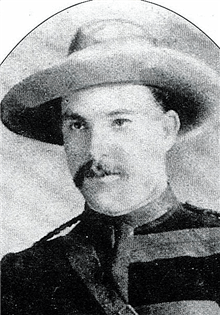
Johnson, amazingly, rejected. He had simply offered his advice, he said, not offered to lead the expedition. Despite Rhodes throwing a tantrum and pleading with him to run the show, Johnson refused and set off for Cape Town. The great Cecil Rhodes, however, was not a man to take no for an answer.
A few days later Rhodes sent Johnson a wire, telling the young man to meet him at Cape Town station the next day. Here, as he always did, Rhodes attempted to win Johnson over. Pointing at the huge mountain looming over them to the north, Rhodes said dramatically:
‘Think of the vast hinterland that lies beyond that. A half-continent ruled for the most part by savages. Think of the gold, the farmlands there! Think of the millions starving, huddled together like cattle in the cities at home. We can give them new homes up there, hundreds of acres to live on, instead of one filthy room. We must have that country for the Empire.’15
And so, Frank Johnson, after a bombardment of attempts at bribery, flattery, appeals to duty and just about every other trick in the book, remarked:
‘All right, you win. I’ll go. But only under one condition. You give me a cheque for £87,500, supply me with field and machine guns, rifles and ammunition, and I will undertake to hand Mashonaland over to you fit for civil government within nine months. But I want you to remember that I am not your servant but your contractor.’16
Rhodes kept walking for the next 100 yards, not uttering a word with his hands clasped behind his back. Then, suddenly, he stopped and said: ‘I will give you that cheque. Now let us go to Poole’s and get some breakfast.’17 Just like that, the future of Africa had changed forever, ‘thus was the matter of the occupation of Mashonaland decided!’18
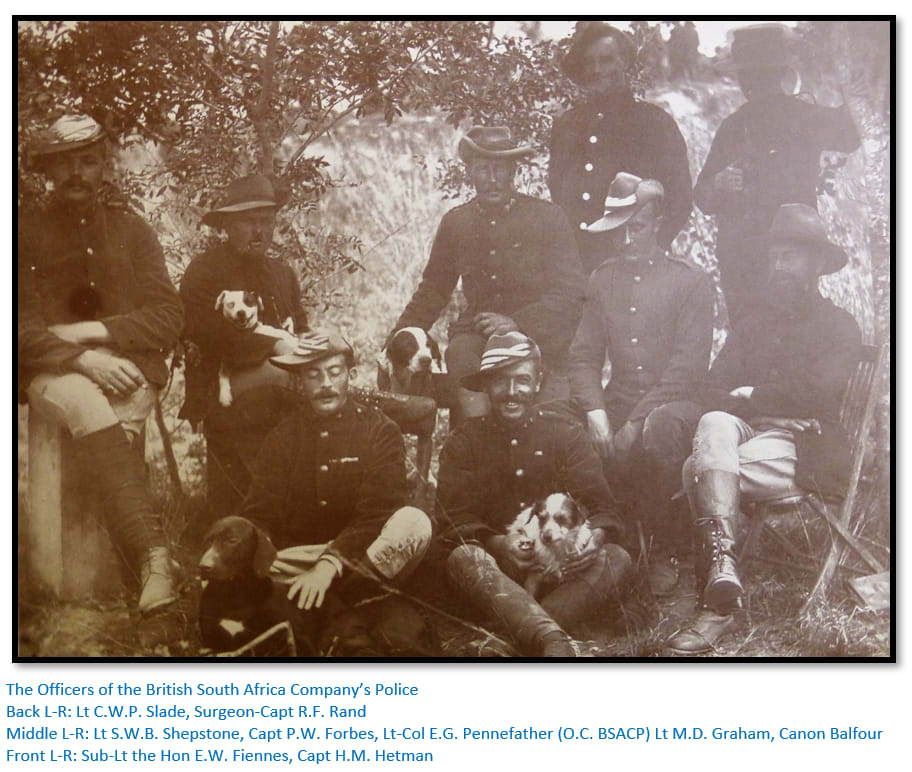
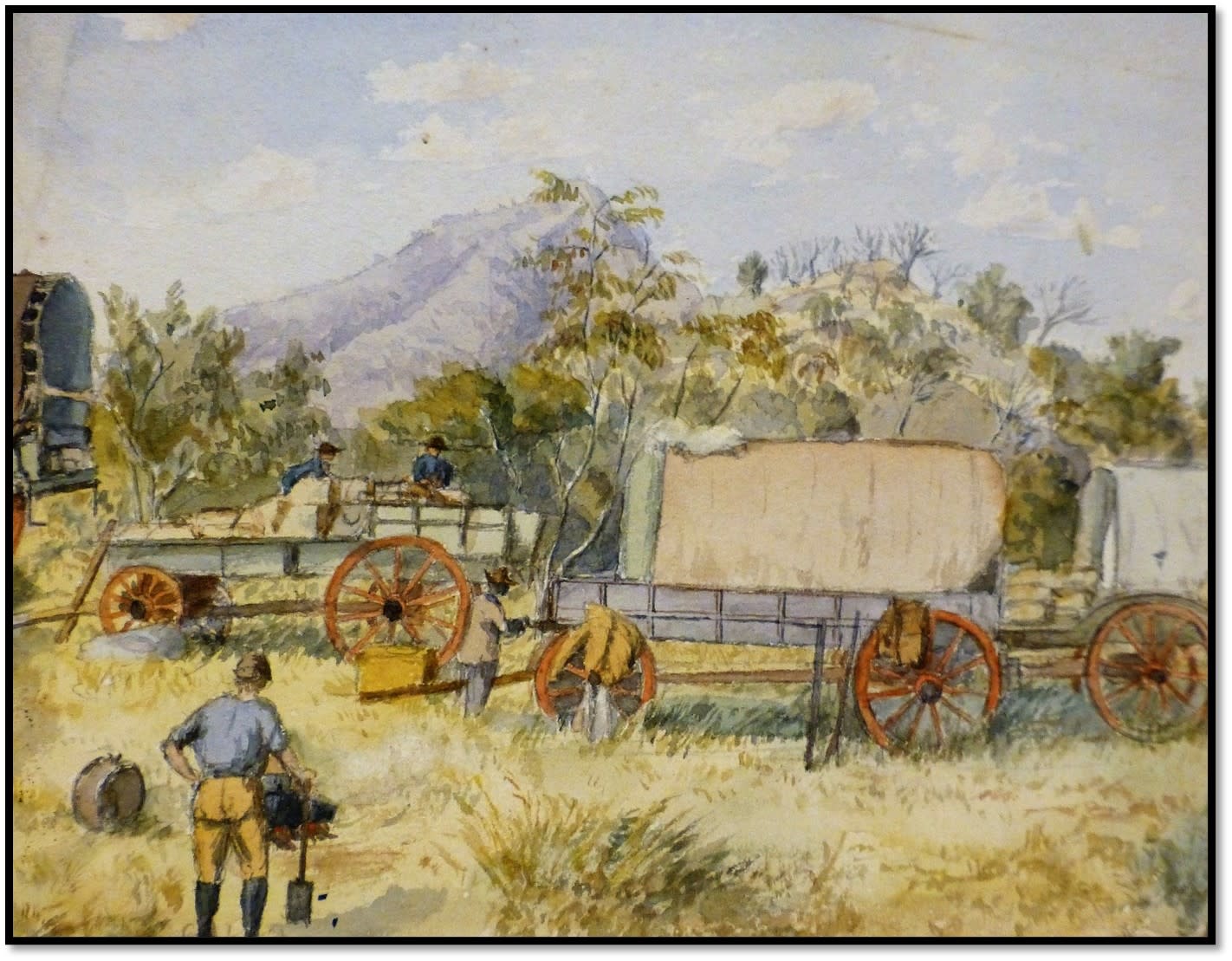
By late June 1890, the Pioneer Column, after months of preparation, was ready. The journey itself was uneventful. King Lobengula’s men shadowed the column and threatened the Whites, but the King’s bluff was called. The men just kept on marching towards their destination, that being Mashonaland, the land of the Mashona, Lobengula’s vassals, to the east of Matabeleland.
The Whites moved forward at a rate of 12 miles a day, building a modern road ahead of them as they went. After passing through ‘Providential Pass’, a route through ‘seemingly impenetrable hills leading to the plateau’19 where the livestock were let out to graze and a more casual camp was set up. It was decided to establish a fort here to guard the pass; it was to be named Fort Victoria, in honour of the Queen. A garrison was chosen and, after the first cricket match in Rhodesian history took place, the rest of the column moved on.
One hundred miles further north another site named Fort Charter was set up and garrisoned as well. This, of course, was not the column’s final destination. The men kept pushing on and as they got deeper into Mashonaland they found that their welcome grew ever friendlier. In One Man’s Vision W.D. Gale writes:
‘At the few native villages that they passed on the way the Mashonas were unrestrained in their delight at their coming, and gladly sold them everything they were able to supply. The arrival of the White men for this part of Mashonaland was one of the favourite raiding grounds of the Matabele. Here the Mashonas had few granite kopjes on which to build their primitive huts and seek safety from the bloodthirsty devils who haunted them. Their villages were planted on the open veld or on the sides of gently-sloping hills, and were more easily accessible. All along the route the Pioneers came across ruined villages, stark evidence of the tyranny that blighted this land. The villages that did exist were populated mainly by old men and women and a few youngsters who had escaped slaughter, the boys and girls having gone to swell Lobengula’s Maholi, or slaves, tribes in Matabeleland. On the Umfuli River they came across the remains of a large kraal, at which Selous stood and looked with angry eyes. When he had last passed this way eighteen months before, there had been between 1500 and 2000 Mashonas living here, but Lobengula had sent an impi because he considered that the chief was getting too powerful and too prosperous. Prosperity was fatal to a Mashona Chief.’20
The White men were walking through what appeared to be the aftermath of a genocide and they were struck by how depopulated the region was. The population of Mashonaland at the time was merely around 100,000 and Selous reckoned that a similar number to that had been killed by Matabele raids over the years. In a letter home written during the march, he wrote:
‘The natives are few and scattered and a very harmless and peaceful lot. They all seem delighted to see us and make use of such expressions as ‘now the white men have come into the country we shall be able to sleep’ meaning they will no longer live in perpetual fear of the Matabele.’21
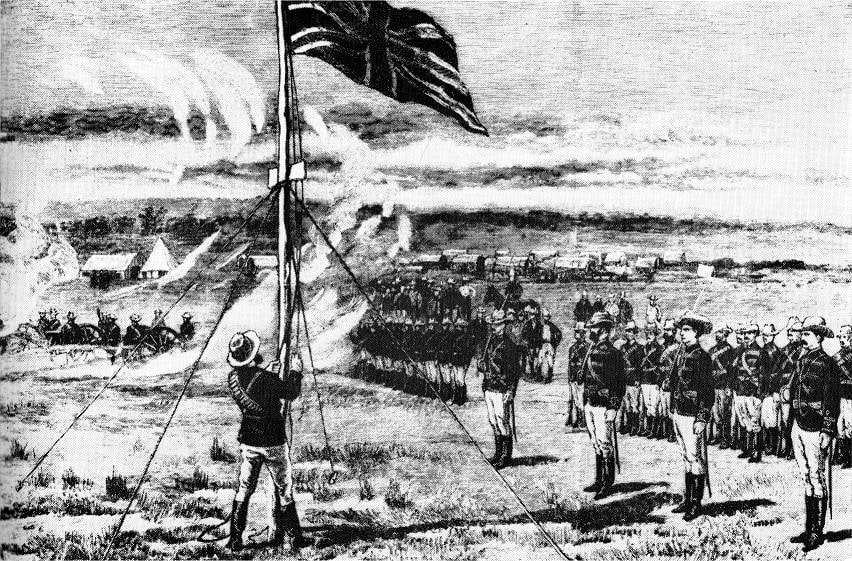
On 10 September, Colonel Pennefather and Captain Ted Burnett, the Chief Scout, rode on ahead to choose a site for fortification and settlement. A suitable site near the Makabusi River was chosen and Fort Salisbury, named in honour of the Prime Minister, was established. Two days later the main column arrived. These lands laid in the territory of the elderly Chief Harare who could only watch in bemusement as the main column came to join the duo on the 12th. On the following day, the 13th, the Union Jack was run up a flagpole by Lieutenant Edward Tyndale-Biscoe. After ‘prayers were led by the Reverend Canon Balfour, and a twenty-one gun salute fired’22 the Pioneers were released from their contracts and set off to peg out their gold claims. Not a single life had been lost during the march.
The First Matabele War
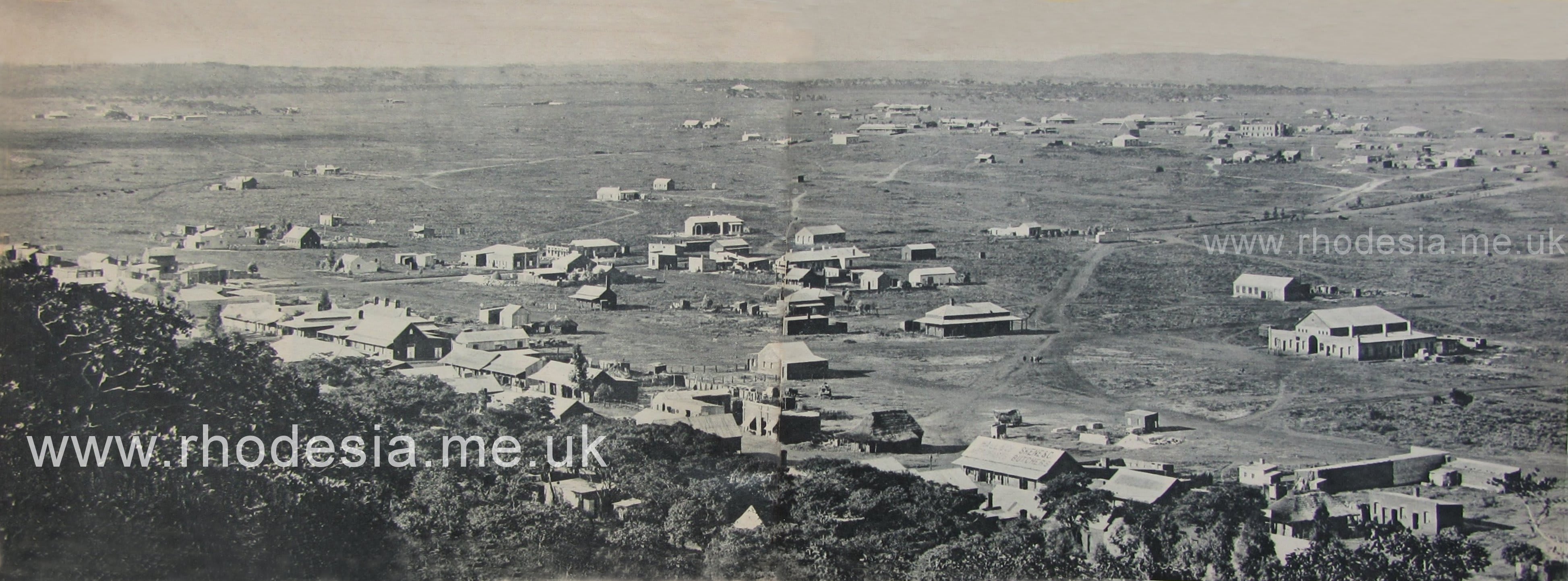
For almost three years, the Rhodesians were able to build up their new little colony in Mashonaland, but this did not come without it’s problems. Conditions were primitive in the extreme. Salisbury was bad enough, but the men living in the outlying districts were essentially living no better than their native workforce.
Worst of all, the Matabele raids kept coming, although Lobengula was able to prevent his men from touching the Whites. The entire Matabele economy was entirely reliant on slave raids, and so, on the flimsiest of pretences, the Matabele would come rushing over their half of the border and begin looting, killing and enslaving their Mashona neighbours en masse.
Getting the Mashona to work for the settlers under these conditions was quite a task. Even the slightest hint of a Matabele raid would send the colony’s Mashona workforce fleeing for the hills and they wouldn’t return for weeks. All the complaints which Leander Starr Jameson, the Chief Magistrate and de facto leader of Rhodesia, fired off to Lobengula came to nothing. After all, this was all the Matabele knew.
Of protecting these natives Sir Phillip Bourchier Wrey, consulting engineer for the Chartered Company, reported:
‘A large impi passed through the camp of the Mashonaland Agency, situated about 14 miles from Victoria, at the time they were employing about 150 natives; these were absolutely paralysed with fear and announced their intention of leaving directly. It was only with great trouble and persuasion that they were induced to remain and our position was a most false one; for the natives very plainly said, ‘’When you white men came into Mashonaland, you promised that if we worked for you, you would prevent the Matabele from raiding us. Here we are working for you, and there are Matabeli killing our wives and children, and raiding our homes.’’ Doctor Jameson, still desirous of maintaining peaceful relations, contented himself with again merely remonstrating.’23
Captain Harry Greenfield, who had recently arrived in Fort Victoria and would later become a martyr during the Shangani Patrol, wrote home in a widely published letter:
‘…when it comes to killing our own native servants in the precincts of the town – even we, who take our pleasures sadly, and our cheeky soberly had to rise in our wrath, and chastise our dusky brethren. Of course, according to the gospels of ‘’St Labby’’ and Exeter Hall we should not have done this… and then they would have swooped down in their tens of thousand and butchered man, woman and child. This is the programme Exeter Hall would have liked us to follow, rather than injure a few of their petted heathen, who, by-the-bye, would have as much pleasure in slitting a few of the above-named trageophilists, as those of their Mashona vassals. Being, however, men who live among the black devils, and know their ways, we are taking the bull by the horns and are going to make a bold push for Buluwayo …’24
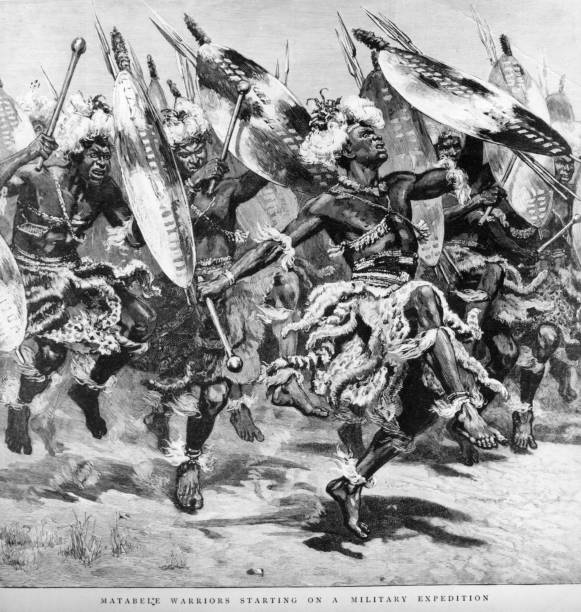
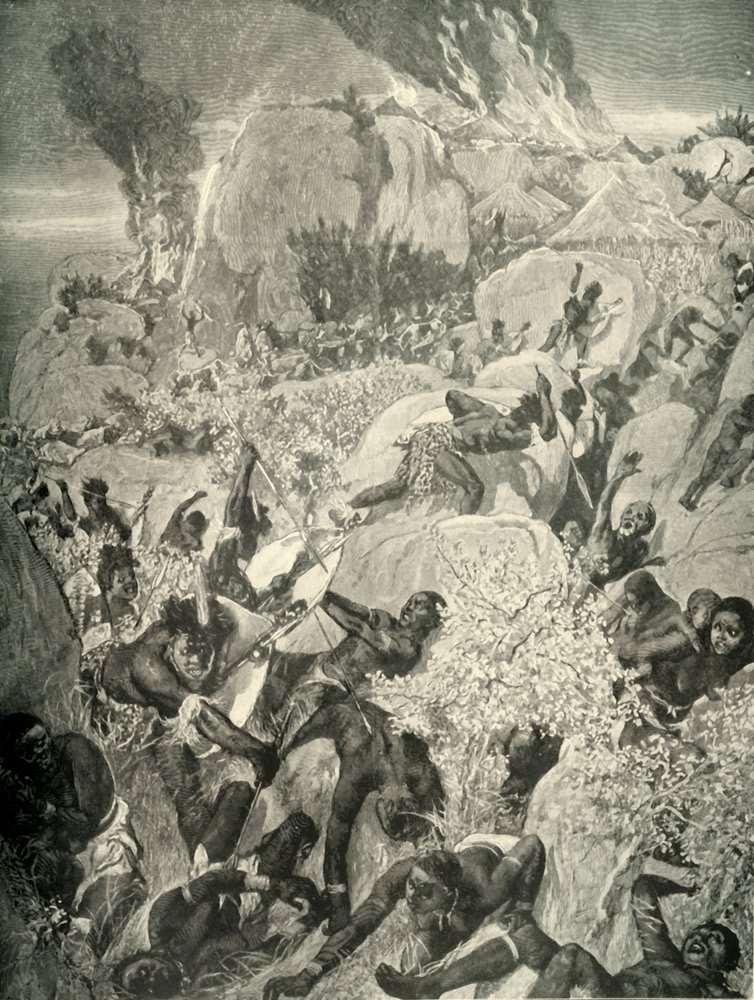
The straw that broke the camel’s back was on 9 July when a 3500-strong Matabele impi swarmed into the Victoria area. There had been atrocities against the Mashona before, as noted, but this incident was to take things to a new level. In full view of the settlers ‘kraals were reduced to ashes, men assegaied and ‘mutilated’ (i.e. their genitals cut off), women disembowelled, children roasted alive.’25
In the aftermath, Jameson met with the leaders of the raid. After days of mass murder and theft, they denied all knowledge of a border between them and the existence of Rhodesia in general. The Matabele leader demanded that all the Mashona refugees hiding in Fort Victoria be handed over so they could be slaughtered downstream of the river, so as not to contaminate the Whites drinking water. Jameson, disgusted, gave the Matabele an hour to clear off, warning that he would send out an armed patrol to enforce his orders.
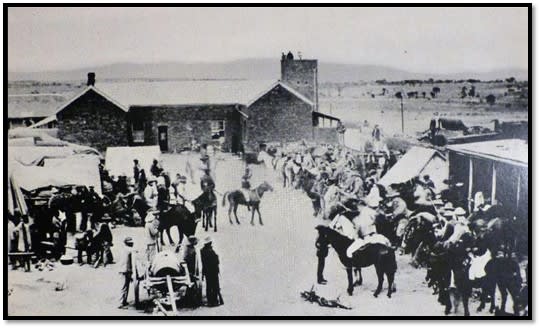
Two hours passed since the warning and only then was Captain Charles Frederick Lendy unleashed by Jameson with his armed patrol. Soon enough, they were, according to their own account, fired on by Lobengula’s men and so they, naturally, returned the favour. In reality, Lendy almost certainly fired first. Regardless, nine Matabele warriors dropped dead, including the leader of the raid, Umgandan. The rest of the warriors then scattered off into Matabeleland. Jameson, meanwhile, wasted no time in figuring out how to turn this situation to the Company’s advantage.
The Matabele, too, geared up for war. Mhlaba, Lobengula’s lifelong chief advisor, met the same fate as Lotje and was butchered, along with his whole family and his animals, to please the war party. Rhodes’ man in Bulawayo confirmed the obvious, war was inevitable.
The Rhodesian response to these repeated Matabele outrages had been one of repetitively turning the other cheek and giving an inch only for a mile to be taken from them, time and time again. The settlers demanded action and presented Jameson with a petition which warned that unless the whole matter was settled once and for all, then many of the colony’s residents would undoubtedly pack up and go home.
Rhodes first urged caution and sent Jameson a telegram simply requesting that he ‘Read Luke XIV, 31.’26 Jameson immediately requested a Bible and read the passage: ‘Or what King, going to make war against another King, sitteth not down first and consulteth whether he be able with ten thousand to meet him that cometh against him with twenty thousand?’27
Jameson replied that he had read the passage. He had indeed checked if he, the King of Rhodesia, was ready to take on the King of the Matabele. Soon enough multiple columns of White men were marching across the border into Matabeleland. Each trooper had been promised twenty gold claims, a 6,350-acre farm and whatever loot he might acquire during the expedition. Lobengula’s Kingdom was ‘suddenly up for plunder, and the race was on.’28
Whether Lobengula himself was intent on war himself at this point or not is up for some debate. Perhaps he, like Jameson, had now seen his chance to rid himself of his rivals and had a chance of heart. Lobengula’s indunas, however, were thirsty for war and the King was effectively left with no choice. Even if he did somehow avert war, he would not be able to avert the typical raids, which would reignite the situation all over again. Even the Imperial Government in South Africa, however, had by now decided that Lobengula’s savage reign of terror had to come to an end. It was now just a matter of who would inherit Matabeleland, Company or Crown.
As the three company columns advanced from Salisbury, Fort Victoria and Johannesburg in the Transvaal, the Matabele completely and utterly refused to take advantage of their natural advantages, in which they could have used their superior numbers by forming highly mobile harassing guerrilla units. Instead, they chose to face up against the Company with their Maxim guns and rifles in classic battle formations. There was, obviously, only ever going to be one winner and indeed, the war was to be a short, bloody and one-sided one.
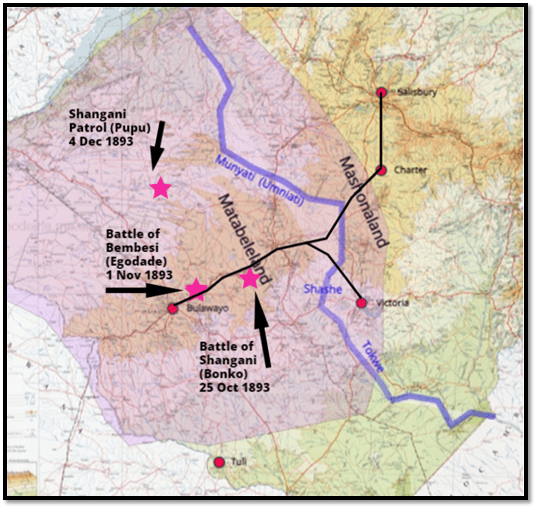
On 24 October, the Whites reached the Shangani River. This was the perfect place for the Matabele to strike, and yet they did not. The Rhodesians were allowed to ford the difficult river crossing with all of their wagons within an hour and a half. Laagers were set up on the opposite bank with adequate protection and, seemingly, the opportunity had been lost.
The Matabele, however, were intending to strike. That evening, when they were about to do so, the Rhodesians fired some flares into the sky. The Matabele believed this to have been the Whites knocking stars out of the sky. If knocking stars out of the sky was possible, then the moon could also be brought down, they reasoned. If that happened, then the Matabele’s cover of darkness would be lost. The attack was cancelled.
At 4am the next morning, however, a few of the Mashona pickets disappeared into the bush to relieve themselves and never returned. A comrade went looking for them and stumbled across the entire Matabele formation ready to attack. Before being butchered, this brave native was able to fire off some warning shots to alert the entire camp.
An American scout, Frederick Russell Burnham, recalled:
‘A wild yell from the camp of the ‘friendlies’ roused the whole force. Then came several scattering shots followed by the terrific war cry of the Matabele as they rushed our laager and the battle of Shangani began.’29
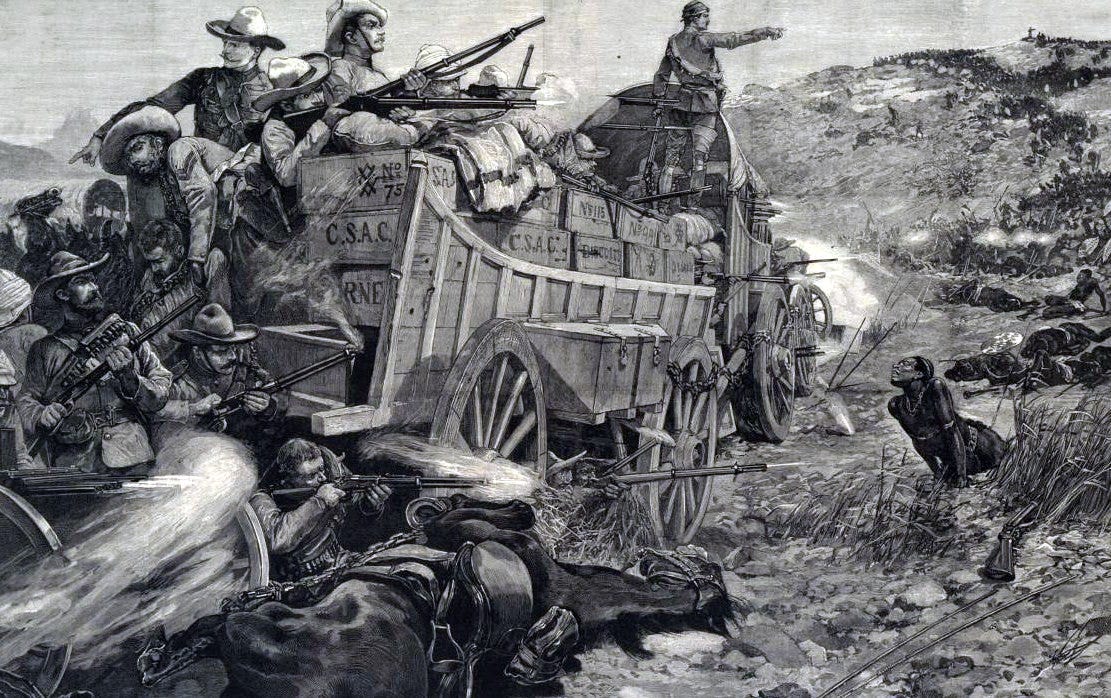
The Mashona were locked in brutal hand-to-hand combat with the Matabele, who were by now surging forwards through their camp and towards the White camp. The Rhodesians, however, were quick on the mark and their laager quickly became a ‘sheet of flame’30 as one Matabele prisoner would describe it. The men had immediately manned their battle stations and the Maxim guns went into action against the surging horde of Black bodies that was flowing towards them.
An eye-witness who had his report published in The Telegraph recalled:
‘Immediately we stood to arms, and looking through the darkness we saw thousands of niggers rushing towards us. When the Maxim guns started firing, there was a sudden check. They could not believe it, made another rush and were checked again, and so on till daylight broke, and some of the most ghastly objects it has ever been my lot to see – and I was in Egypt – were visible, bodies literally torn in pieces, and lying as near as ten or twelve yards from camp.’31
Within half an hour, the first attack was over. After ‘one of the most spectacular night fights I have ever taken part in’32 as Burnham put it, the floor was a sea of dead or dying Matabele.
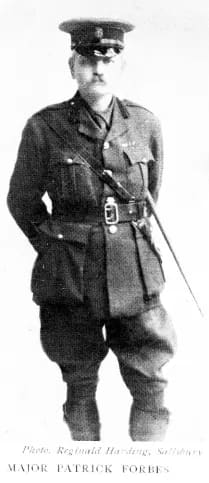
Shortly afterwards, Captain Spreckley led a mounted patrol to look for any stranded Mashona allies and loose horses. He and his men soon came across a mass of Africans. Whether they were Matabele or Mashona, he did not know. This mob then, according to Major Forbes, the Rhodesian commander, ‘advanced down the slope in a most casual way, without hurrying or attempting to take cover and I allowed no firing on them.’33
Soon enough, however, the horde revealed themselves to be Matabele and surged forwards. Forbes recalled that ‘a heavy fire was poured on them from two or three maxims and about 200 rifles… our men were now all very cool, and ammunition was not so recklessly expended.’34
Matabele from all around the laager suddenly joined the attack, and the second general attack had begun. This, however, ended much the same way as the last. More patrols were then sent out to mop up the surrounding bush, and there were a few minor skirmishes, but by 8:30am the battle of Shangani was officially all over.
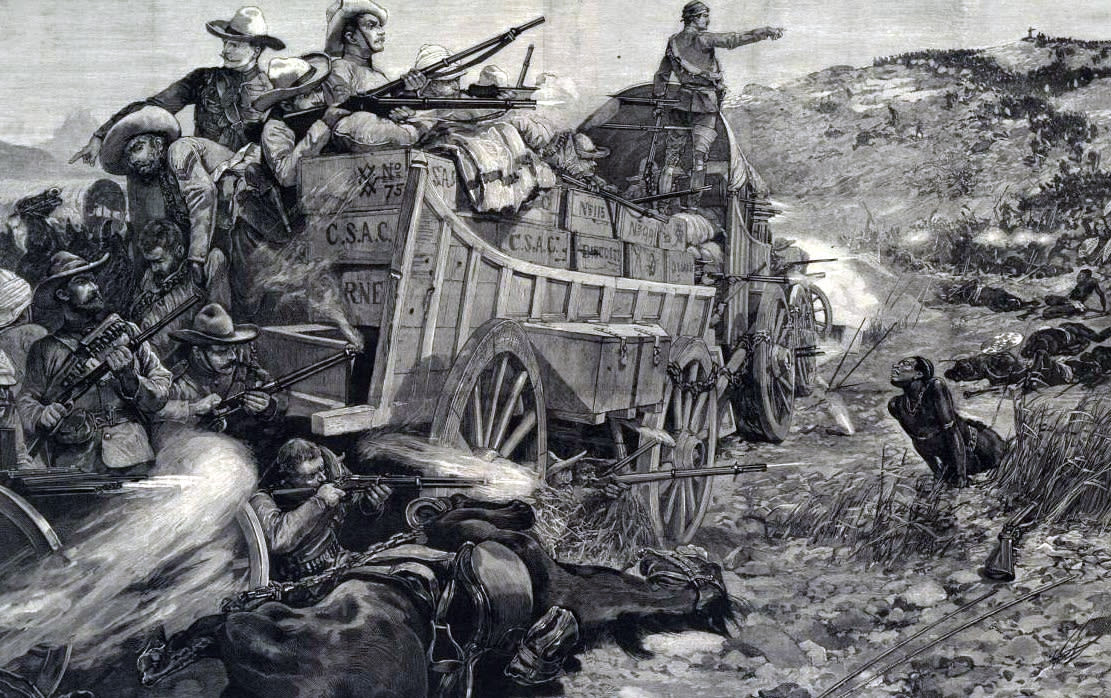
All in all, six Rhodesians were wounded and one man was killed. This was Trooper Walters from the Victoria column, ‘a Jew who had wrapped himself in a blanket and crawled among the horses for safety, killed by a stray bullet.’35 One Cape Boy36 was also killed as well as thirty-four Mashona allies and many of their women and children.
The Matabele, despise possessing modern Martini Henry Rifles, suffered well over 500 casualties at the very least. Many bodies were dragged away from the field and many more Matabele killed themselves in the wake of the defeat rather than face the wrath of Lobengula for their failure.
Matabele tactics were questionable to say the least. Chris Ash writes in Matabele:
‘Equally effective was the company’s artillery: though the 7 pounders only fired a total of seven rounds and the two pounder Hotchkiss gun only 28 in the action, they nevertheless did ‘good execution, inflicting considerable losses on the retreating enemy’. It was noticed that whenever a shell was flung into the midst of the Matabele, they would discharge their rifles into the explosion. When prisoners were later asked why, it was revealed that the Matabele believed each shell to contain several small, murderous fellows who sprung out when it exploded and they had been trying to shoot these diminutive killers. Other perplexed prisoners asked, ‘how we managed to wrap bullets in a blanket and throw it at them.’’37
The Rhodesians kept pushing on, and by 1 November, they were merely 20 miles from Bulawayo. Minor skirmishes took place throughout the morning, but regardless, the Rhodesians set up camp in a rather laid back fashion. Security was lax and the laager was imprudently placed with lots of dead ground and no nearby water sources. Everything looked set up for a massacre at the hands of the 8,000 Matabele warriors who were creeping around the nearby bush.
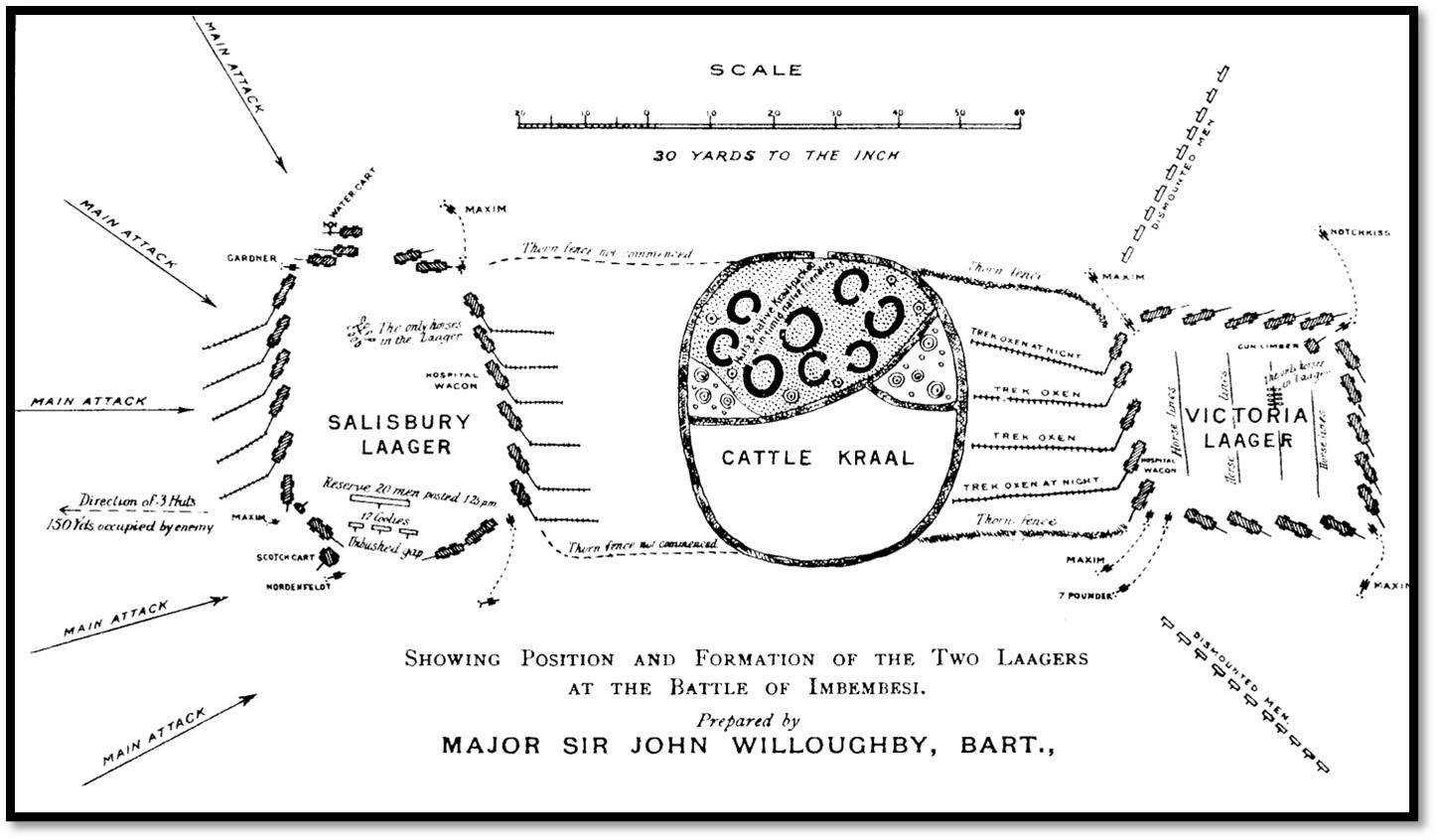
Just north of the Salisbury laager were two pickets named Trooper White and Trooper Thompson, who seemed to be more interested in chatting away than actually keeping watch. This was not the British army and the level of discipline amongst the troopers reflected that. Regardless, out of nowhere, thousands of Matabele warriors suddenly surged out of the bush and were on White and Thompson before the duo even knew what was happening. Thompson tried to bolt up a tree but was dragged down and butchered. White somehow got onto his horse, fell off it again, and then managed to run towards the laager with thousands of Matabele warriors hot on his heels. For years to come, this place would be known as ‘White’s Run’. The Battle of Bembesi had begun.
Other columns, like a swarm of locusts, suddenly appeared out of the bush from other directions too and surged towards the laager whilst 100s of rifles fired at the Rhodesians from cover. The alarm went up and the troopers stopped what they were doing and rushed to their battle stations. Luckily for trooper White his men were some of the greatest sharpshooters on the planet, if not the best disciplined. The Matabele who were right on his tail were the first to be picked off by deadly accurate rifle fire and White was able to make it back safe and sound.
The Matabele fired back, of course, but their accuracy was as atrocious as ever. The Maxim guns had by now swung into action and were tearing into the onrushing horde, which included the Royal Imbezu and Ingubu regiments. Nobody could doubt the Matabele’s bravery, despite the hail of bullets they seemed to just keep on pushing. No amount of bravery, however, could match the Maxim gun. The battle quickly turned into a massacre.
Despite this, the Matabele regrouped in cover 300 yards from the laager and then made another go of it in what was essentially a suicidal charge led by Lobengula’s executioner. Burnham described him as ‘a giant standing at least six feet fix and weighing probably 250 pounds, led one of the most heroic charges, running with his spear and rifle directly through the hail of lead until within a few yards of the laager. He dropped the closest to us of all who fell that day.’38
During the thick of the fighting Dr Jameson picked up a rifle and remarked to the man standing next to him, ‘I have never shot a man in my life. I wonder what it is like’39 before opening fire at the onrushing horde of Black bodies.
Major Forbes ordered Captain Delamore to take his infantry and form a skirmish line to sweep the Matabele from the field. They marched on, following their orders to the letter before expelling the Matabele from the bush. The Battle was over. All in all, the Matabele had lost somewhere in the region of between 800 and 1000 dead and wounded. The Rhodesians had lost three men, these being Trooper Thompson and two others who were picked off by the hail of inaccurate gunfire coming towards the laager. The Matabele had massively outnumbered the Rhodesians and even had three times as many rifles with the most modern ammunition, but it was no match for Rhodesian marksmanship and the Maxim guns. Due to the state of the horses, however, the battle remained a defeat, not a rout. The defeated Matabele could not be followed up immediately.
They set off again on the 2nd. The next day, as they approached Bulawayo, a huge explosion rocked the area and a column of smoke rose up from the capital. Lobengula had ordered his capital destroyed and his men had blown their magazine, a stock which consisted of 80,000 rounds of Martini Henry ammunition as well as 2,000 pounds of black powder.
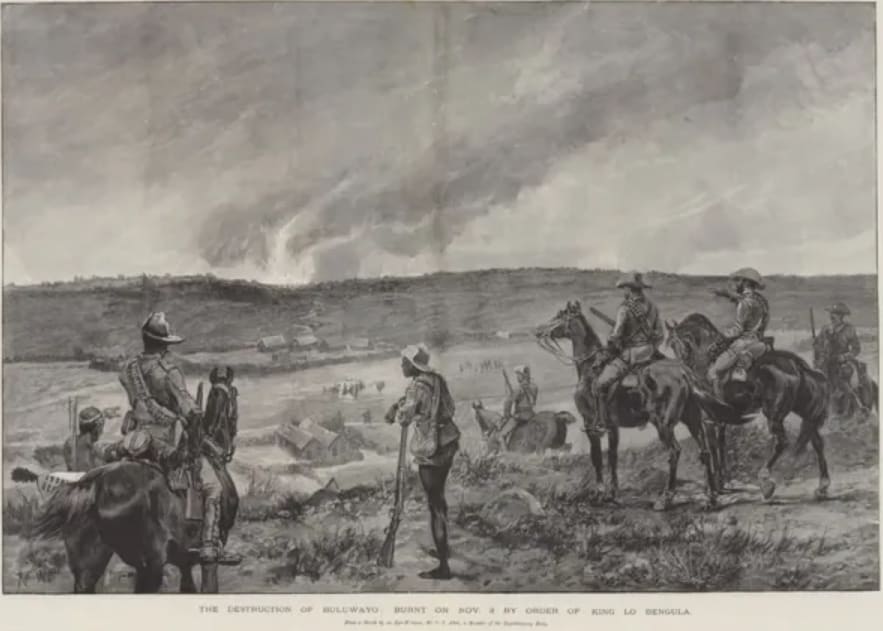
On 4 November 1893, Burnham, another American called Pete Ingram, and a colonial frontiersman named Harry Posselt, rode into the smoking ruins of Bulawayo. Lobengula, however, had fled north, leaving his capital in ruins and his army scattered. Only two men remained, two White traders named Fairbairn and Usher. Lobengula may have been a savage, but he did have some admirable qualities about him. He had given these two men his word that they were under his protection and even during those last chaotic hours he made sure to keep his promise. Both men were unharmed and so was their property. Soon enough, the rest of the company troops marched into Bulawayo to the sound of bagpipes, and the Union Jack was strung up over Bulawayo. Matabeleland had now officially been added to the British Empire.
The British Empire was one thing, but who was actually to be the new de facto owner. With no Lobengula to formalise the surrender, however, the war was technically not over. To make things official, Lobengula had to be captured, and it had to be the company that did it rather than the Imperial forces.
The Shangani Patrol
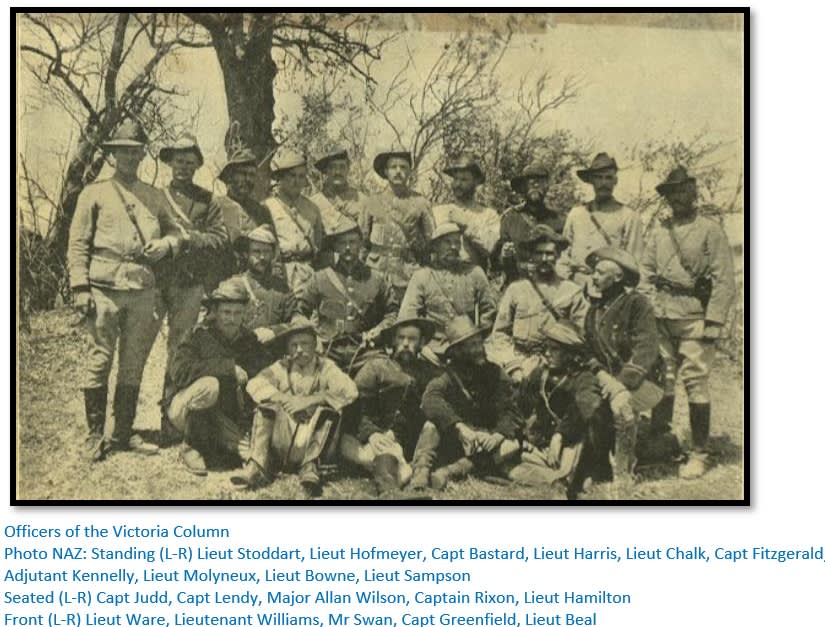
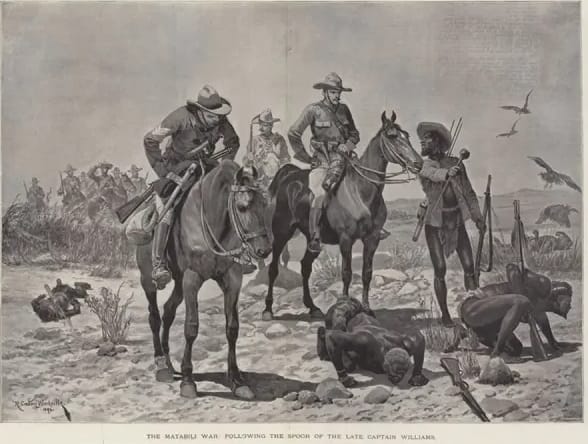
In Bulawayo, Jameson had attempted to coax Lobengula back with promises of his safety. The King, surprisingly, agreed. When the time came, however, he was a no-show. More proactive measures would have to be taken. A column was quickly organized to chase down the Matabele King. Major Forbes was nominally in charge of the column, but the much loved Major Wilson was also present which made things a little more complicated. Regardless, they set off at 7.30pm on 13 November with a mere three days of food. It was supposed to be a quick affair.
After twelve days, the King had not been located. The column set off again on the 25th,, following in the tracks of Lobengula’s wagons. For three days, they pressed on in the filthy wet weather in which wagons proved to be a serious encumbrance. Forbes quickly realised that they would never catch the King like this, and so the force was once again reduced. 130 men were sent back with all the wagons, and 158 men remained with the best horses. Only two Maxim guns were retained. Ten days’ worth of rations were taken as well as 100 rounds for each man and 2,100 for each of the two maxims.
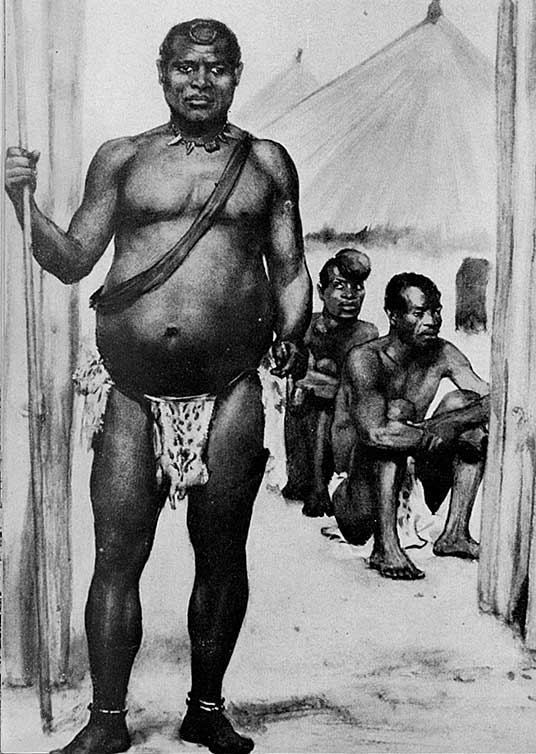
Lobengula was much closer than they realised, and the King was getting worried. In an effort to get the White man off his back, he sent an emissary to Forbes with one thousand sovereigns in a white bag along with the message, ‘Take this and go back. I am conquered.’40 The two troopers who intercepted the envoy simply took the cash and silently pocketed it. Much has been made of this offer in support of Lobengula, but ultimately, there is no way of knowing if he was genuine. Lobengula had long played with the idea of simply packing up and heading north across the Zambezi, much as King Mzilikazi had when the Matabele were trounced by the Boers decades earlier. Surely his warmongering indunas could not have supported him in this, but regardless, we shall never know.
Oliver Ransford, for example, writes of the two Troopers in Rulers of Rhodesia, proclaiming that ‘their dishonesty was to condemn over four hundred men to death.’41 This, obviously, takes a bit of a stretch of the imagination. There was no question of just letting the King get away after all that had happened. Throwing money at the problem would almost certainly not have changed a thing. After all, had Lobengula not already informed Jameson that he was defeated and told him that he was going to return to Bulawayo, only to not show up?
Walter Howard of the Bechuanaland Border Police described the by now much-reduced column as it set off again:
‘The journey to the banks of the Shangani was without much excitement except that caused by exceptionally heavy rains. We had no tents or any protection other than that afforded by our blankets or cloaks. The day we reached the Shangani we passed great numbers of armed Matabele who bluffed us that they were tired of war and were running to make peace, in which laudable object we encouraged them. Little did we dream that their orders were that we were to be allowed to pass until we crossed the Shangani River and then none of us were to be allowed to return.’42
Forbes, amazingly, chose to trust this band of armed natives and the column pushed on. Colenbrander plainly said that this was almost certainly a trap but regardless, he was not listened to, Forbes and Wilson both dismissed such an idea.
Burnham, the American tracker, found it odd that these scouting parties didn’t attack them. He wrote later:
‘The South African n****rs if they meet you scouting and they are alone or in small numbers don’t go for you but make tracks for the nearest impi. This extraordinary conduct on their part saved our lives over and over again. Indians kill you.’43
On 3 December, the patrol was finally within a mile of the Shangani River and some of the local natives confirmed that the King had indeed only left the area that morning. Soon enough, the column discovered a recently abandoned enclosure from the King and his men. They were indeed hot on Lobengula’s heels. His wagon tracks were evident to see and they were heading right towards the Shangani.
Forbes ordered Major Wilson to form a 12-man strong patrol with the best horses and set off to find where Lobengula had gotten to. Importantly, Wilson was ordered to return by dark. There was certainly no shortage of volunteers and the men clamoured round, eager to go with the much-loved Wilson on this daring mission. Burnham arrived back from a scouting mission with Robert Bain, a Canadian scout, right as the patrol was leaving, and was ordered to join Wilson.
At 5pm, Wilson’s patrol left the main position and splashed across the Shangani. Forbes recalled that ‘they all understood that they were to be back that night, and Kirton asked Dr. Hogg with whom he was messing to keep some dinner hot for him as they would not be in till dark.’44
By 11pm, however, Wilson was nowhere to be seen and, as it turned out, he had disobeyed orders. Captain Napier and two troopers turned up with a message from Major Wilson, asking Forbes to bring the rest of the force forward so that they could attack the Matabele, whom he had located, at first light. Forbes, by now, knew full well that to order the headstrong Wilson home would be useless and so he did not waste his time with this course of action. Moving the entire force as Wilson asked, however, was out of the question ‘at midnight, and a night as black as ink at that. There were our slaughter cattle to drive – all our rations were now exhausted – native herd boys, galloping gun carriages and other impedimenta.’45
Instead 20 men were sent with Napier to join Wilson. Walter Howard recalled:
‘On the morning of the 4th of December, as soon as it was light enough to see, we started to join up with Allan Wilson. We had scarcely gone half a mile when terrific firing began from the other side of the river. The column was closed up and hurried forward, our right flank being protected by the river along whose banks the column was marching. The heavy firing increased in intensity and Colenbrander called out to Major Forbes behind whom he was riding – ‘’They cannot keep that up for long, sir, with their stock of ammunition.’’ Almost at that moment a cloud of Matabele swept down through the bush and took up position across the vlei on the opposite edge of which the column was hurrying forward to join up with Wilson. At once they opened a heavy fire on us almost as they fired, our maxims were returning their fire… Outnumbered by 30 to one and with less than 100 rounds of ammunition per man, our position was very precarious, but no ammunition was wasted for a man did not fire until he was certain of his mark.’46
Unlike at the battles of Shangani and Bembesi the Matabele made no attempt to surge forwards as a great mass. Instead, they sat almost invisible in the bush and took shots at the Rhodesians, although, as usual, their aim was atrocious. During a lull in the fighting the men could hear another battle going on across the way. They must have feared the worst. Allan Wilson and his brave volunteers were trapped with no hope of relief. The main force, however, had problems of their own right now.
By 7.30am most of the Matabele riflemen had been silenced and Forbes began to extract his demoralised force down the river back towards the position in which they had spent the night. Not a single man had died, but sixteen horses and five mules had been, and it seemed as if they had been deliberately targeted.
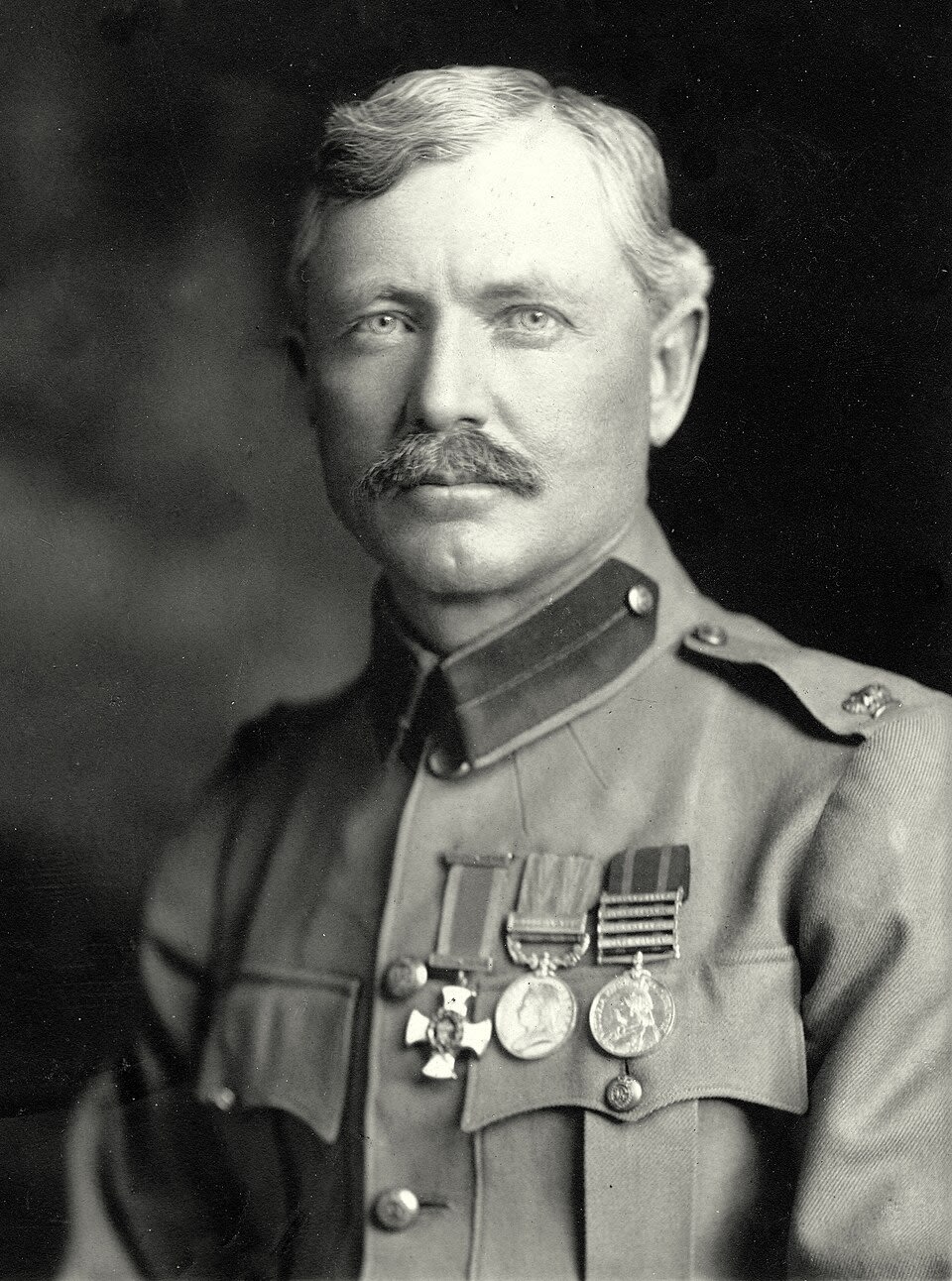
At 8am, as Forbes sat down to consider his next move, the two American scouts, Burnham and Ingram, together with a young man named Trooper Gooding, appeared at the camp after having swam across the river on their horses. Forbes demanded to know what on earth had happened, to which Burnham replied: ‘I think I may say we are the sole survivors of that party.’47
As it turned out, Wilson and his boys believed they had found Lobengula the night before. They had ridden past swarm after swarm of seemingly pacified Matabele men, women and children and located what appeared to be the King’s wagon. Burnham recalled:
‘As we lined up, Captain Napier, who spoke the Zulu language excellently, shouted to the King. He addressed Lobengula in the grandiloquent native style, giving him all his titles and assuring him that we were distinguished messengers sent by Dr Jameson’s fighting induna to escort him to Bulawayo and there conclude a treaty of peace; that his life would be spared and all honour shown to him, etc.’48
Suddenly, as if a switch in their heads had been flicked, the Matabeles became crazed, grabbed their rifles and suddenly attacked the Rhodesians. It was a trap. Lobengula was already a day’s march further north. Wilson quite rightly ordered a retreat from this doomed situation. As they retreated, heavy rain began to pour down on their heads, and the natives ran for cover. The coup de main had failed, but Wilson could quite reasonably have retreated and gotten back to camp. This he refused to do as three of his men had become stranded during the retreat and Wilson had no intention of leaving them to a grizzly fate, and so instead of pulling back they set up camp right where they stood. Wilson and Burnham then went off to hunt for the missing men. After following their spoor on his knees, Burnham quickly managed to locate the missing men and the force was reunited once more. ‘If there were ten Burnhams,’ Dr Jameson was later to say, then ‘Lobengula would have been captured weeks ago.’49
During the night, Burnham was sent off to check the perimeter, and he found that the Matabele had begun to surround the camp in an attempt to cut off their escape. A few hours later, Wilson once more dispatched the trusty American to see if he could link up with the relief force before it passed them. Soon enough, Burnham had managed to locate his fellow American, Ingram, who was leading the twenty-one-man strong relief column. The small force didn’t even have a Maxim gun, not much help indeed if they were to save Wilson’s patrol.
They may have been able to retreat before, but now they certainly could not. There were now thirty seven of them surrounded on the far side of the Shangani River facing up against thousands of Matabele warriors thirsting for revenge. Burnham recalled: ‘All of us who had ridden through the great camps and spent the night in the bush, knew then that the end had come.’50
Instead of sitting and waiting for events, however, Wilson insisted on mounting another attempt to negotiate with, capture or kill the King. ‘By any reasoning,’ as Oliver Ransford rightly points out, ‘Wilson’s decision was rash to the point of lunacy.’51 The next morning, much as the day before, the men picked through the Matabele encampments, doing their best not to startle them.
The natives watched with interest but did not react in any way. The white men then, once again, got close to what they believed to be the king. Wilson, with the bravado of the doomed,’52 shouted to the King to surrender.
They had pushed their luck yesterday by stepping into the Matabele encampment and they were lucky to be alive. Now, however, it was a step too far. The bush suddenly lit up with rifle flashes and the Matabele seemed to be swarming absolutely everywhere. Within seconds two horses had been hit and a young trooper named William Britton had been shot in the face and horribly injured. The Matabele who had been so peaceable just moments beforehand, too, suddenly jumped into action and joined the wild ambush.
Wilson ordered the retreat which was far from orderly as Matabele swarmed in from all sides to try to block the fleeing Troopers. Those who had their horses taken out from under them had to hop on the back of their friends’ panicked beasts to get away. After half a mile Wilson reined in his horse and called a halt by an enormous 20-foot-high ant hill. The horses were then sheltered and the men prepared for the worst. The Matabele didn’t even give them time to do so, believing the white men to be as good as dead. They swarmed forwards carelessly, hoping to overwhelm their opponent. These, however, were not any ordinary White men. These were Rhodesians. Wilson ordered his men to open fire and in an orderly fashion the bloodthirsty horde began to thin out as they were struck down in droves.
This was only to be a brief reprieve. From every direction a mass of Black bodies began to appear and Wilson was forced to order another retreat. Five more horses were shot down and another three men were wounded. It was now that Wilson sent Burnham, Ingram and Trooper Gooding off to find Forbes and get some assistance.
These three were to be the only Europeans able to tell the tale of that day.
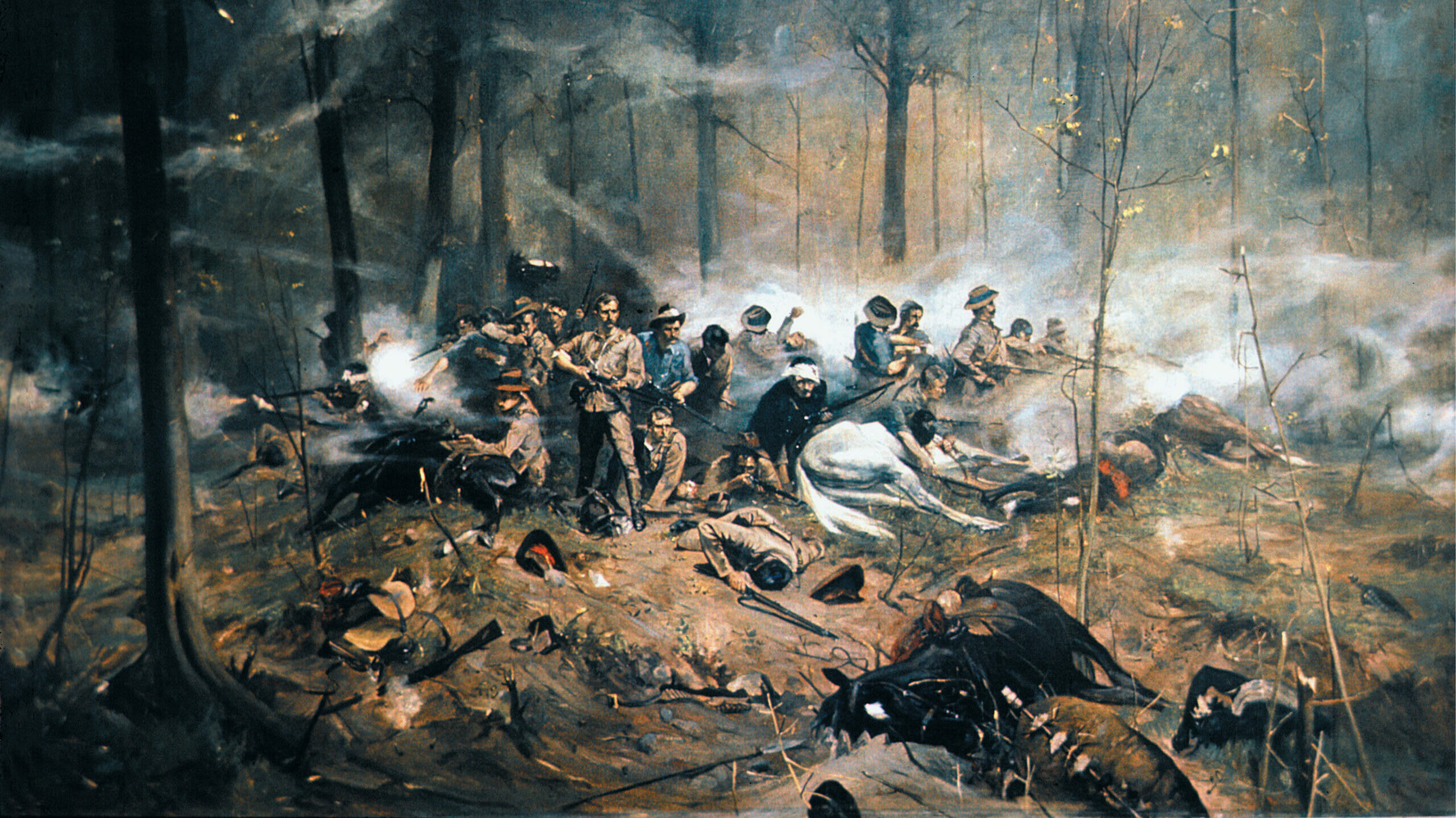
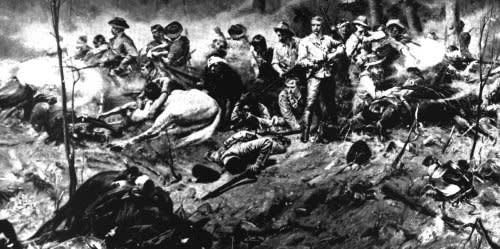
The dashing Wilson and his brave volunteers were cut off and a small clearing was found in which Major Wilson elected to make his final stand. There was no cover but there was, at least, clear fields for the Troopers to fire into. The horses, who were doomed regardless, were made to lie down and formed into an impromptu laager. The Rhodesian then crouched down behind the unfortunate creatures and prepared to sell their lives dearly. One Matabele who was present recalled:
‘We surrounded them and started to fight. They got off their horses and fired at us over them. All the horses were killed, and then the white men, those of them that were left, lay down behind the dead horses and fired at us. After many of the white men were killed, the few that were left, all of whom were wounded, lay on their backs and held their rifles between their feet and fired. After a little, the firing stopped, and we knew the cartridges were finished. We then rushed up and assegaied the remainder, who covered their eyes with their hands. We lost many more than the number of white men, for they were men indeed and fought us for many hours.’53
Wilson’s patrol consisted of merely 34 men and they were facing as many as two thousand Matabele warriors. When their Martini Henry ammunition ran out they pulled out their revolvers and began to fire those at the natives, too, making every shot count amidst the hail of horribly aimed native gunfire. It was only with sheer numbers that the Matabele were able to eventually overcome Wilson’s brave little band of Rhodesians.
Once again Wilson had decided to stand and fight as one rather than abandoning his men. As another Matabele recalled:
‘They could not understand why all should have stayed, as some of them could have escaped, had they tried. But they had not tried because some of their horses had been killed and those who had horses resolved not to desert their comrades in distress. So they stood there and fought the thing out.’54
Major Wilson himself was reportedly one of the last to die. As their numbers dwindled, one man proclaimed: ‘Let us thank God who will receive us today!’55 The few that remained began to belt out a defiant rendition of God Save the King as they approached the end of the road. Ransford writes: ‘Probably Wilson’s men sang a few verses from a hymn, but legend insists that they sang the National Anthem.’56
Of their final moments, another Matabele remembered:
‘Six only left. Men or gods. Fell asinging as though their breasts were bursting with a wondrous joy. I know not the meaning of song, but some amongst us knew it for the song of the last things of all-song of triumph which tells of the glories of the great white mother who rules the impis of the English.’57
Soon enough Wilson and almost all of the rest of the men had been swamped and slaughtered. Only one remained, the Matabele considered him ‘so hard to kill that they were going to leave him alone because he was a wizard.’58 The man, his identity is uncertain, was able to climb onto an ant-heap and began his final stand until eventually, ‘bleeding all over’59 with no bullets left to shoot, he prepared to meet his fate. Burnham was later told that ‘a young warrior rushed up to him with an assegai in his hand. The white man stood still and looked straight at him, so the warrior put down his spear; then he raised it again and plunged it into the induna’s chest and drew it out dripping with blood. The induna staggered towards him, and he threw the spear again leaving it sticking in the induna’s chest. The induna fell forward, dead. He could not raise his hands to pull out the spear.’60
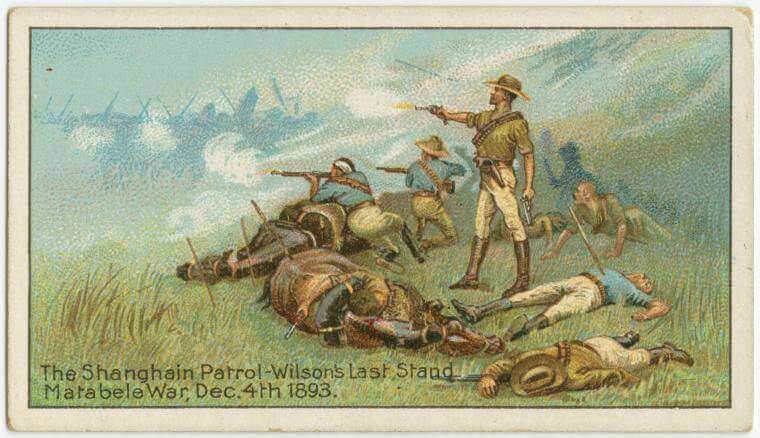
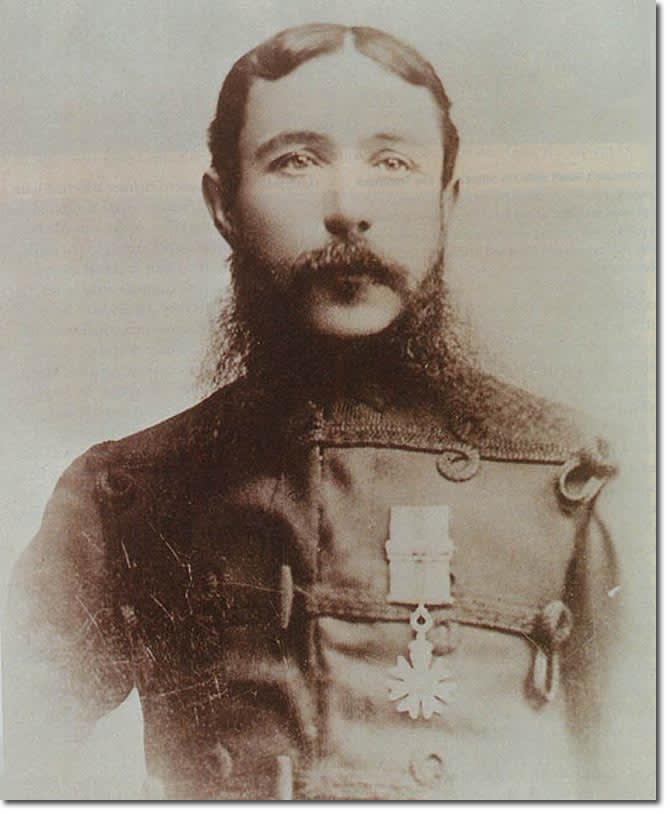
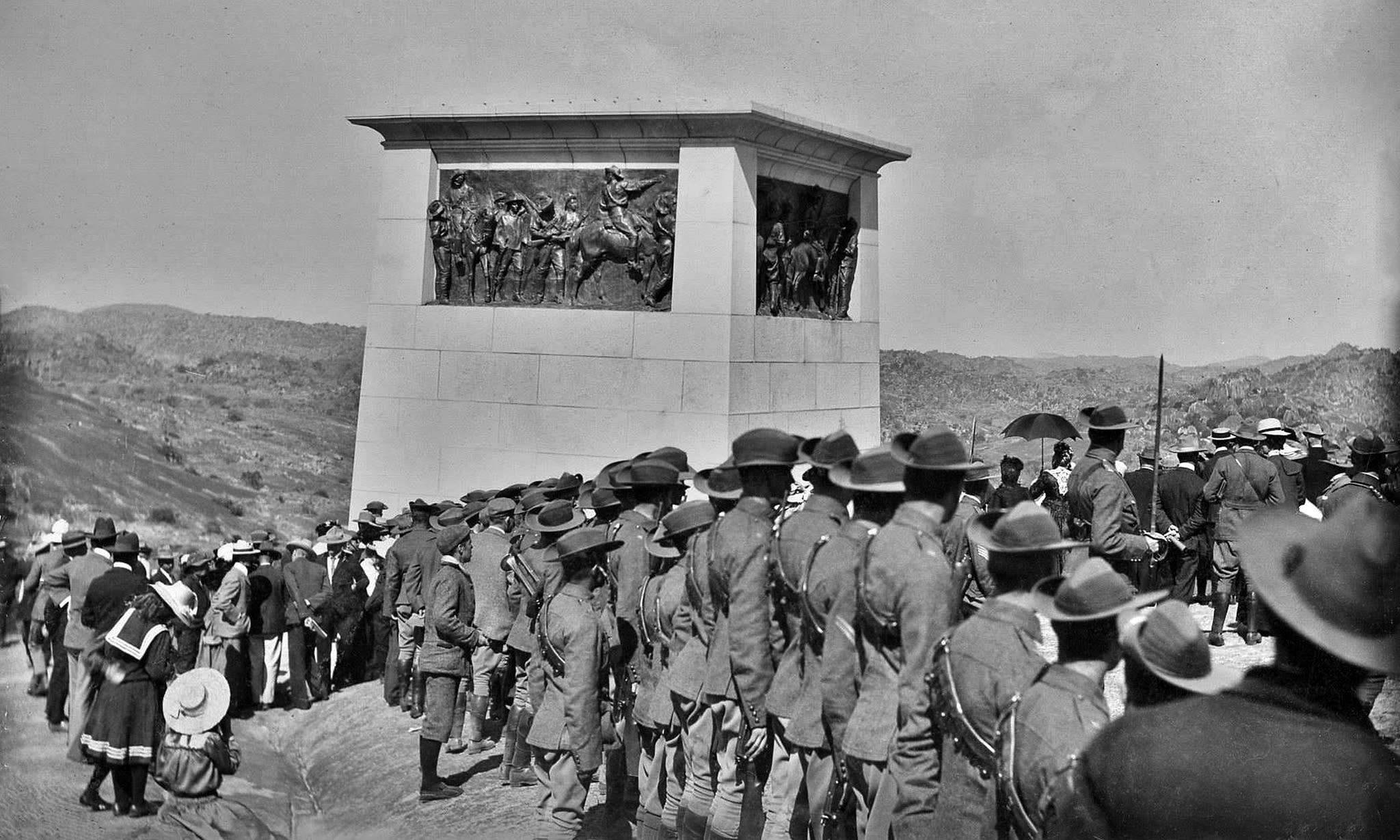
34 brave Rhodesians laid dead on the floor amongst a pile of Matabele which was easily ten times their number, if not more. The Shangani Patrol had pulled off one of history’s bravest last stands, although, no doubt, it was Wilson’s rashness which had gotten them into that situation, a fact which Rhodesian history refused to accept. Whatever his faults, Allan Wilson had cemented himself as one of the greatest figures in Rhodesian history. Today the bodies of Wilson and his troopers are buried beneath a massive granite monument next to the graves of James and Rhodes. Forbes, meanwhile, took the blame for the whole debacle and his career, ‘despite his earlier success, was wrecked and he was eventually banished to become a Deputy Administrator in the remote north east of Northern Rhodesia.’61
Forbes and his men, as much as they hated to do so, were forced to turn back for Bulawayo. Chris Ash makes the comparison to that of Kabul in 1847, and quite rightly. The Rhodesians were in an incredibly perilous situation and ‘the constant strain was beginning to tell on everyone except Major Forbes.’62 The men had no choice.
The entire way back the column was harassed by the Matabele and the White men possessed barely any ammunition to respond with. One evening, however, Forbes made the decision to withdraw under the cover of darkness lest they end up like Wilsons’ Patrol. The painful choice was made to leave behind the weak and sick horses as well as much of their equipment to make it seem as if they were still there. The hardest decision of all was to kill the dogs lest their barking betray the withdrawal. Burnham emotionally recalled:
‘We were now obliged to destroy seven of our faithful dogs, who had followed us so loyally through storm and flood and war into this wilderness of trouble. They were knocked on the head with choppers and dispatched without sound. To kill such friends is one of the most trying ordeals a soldier can experience. But there was only one way to escape from the trap in which we were caught and that would have been closed for ever had a single yelp or bark reached the ears of the alert enemy enclosing us.’63
The ruse was successful and even the horses managed to keep their calm. The next morning when the Matabele raided the camp there was no shots fired back.
Commandant Raaff had been a nuisance so far but on the way back home he was a godsend. Burnham called him ‘the most experienced Kaffir fighter in Rhodesia at that time. Most Boers are large men, but Raaff did not weigh more than 120 pounds. It was jokingly said of him that he had engaged in a Kaffir fight for every pound of his weight.’64
18 hours a day was spent marching and an endless series of Matabele attacks was driven off. Finally, on 14 December, the light at the end of the tunnel finally appeared as two White men came into view. The two men ‘were Selous and Acutt who had ridden out from their column to see if they could get any news of us, for we had been lost so long that the gravest fears were entertained for our safety. The relief column was barely three miles away with them being, among others, Mr Rhodes and Dr Jameson. How lightheartedly all the old cripples covered those three miles, arriving not very long after dark guided by rockets that were sent up at Selous’ request. There we found ready for us tons of bully beef, cookies, coffee with sugar in it and all that we could want for.’65
The story, however, soon came to a happy ending for the Rhodesians. The King may have escaped the Rhodesians, but he did not escape Rhodesia. In January, the Matabele King passed away from a fever just 30 miles south of the Zambezi River.
Ransford writes of the end of the war :
‘The Matabele made no more use of the initiative they had regained: they had been so impressed by the way thirty four men had fought that they hesitated to follow up their victory at Malenku with an attack on the much larger force in Bulawayo. In any case the warriors soon afterwards lost all their spirit when they learned that Lobengula was dead, and they came flocking in to surrender. It seemed to the white men of Rhodesia that Wilson’s death had not been wasted after all, and the very manner of his death deflected all criticism from the Nelsonian disobedience which more than anything else had been responsible for the disaster.’66
Rhodesia had been won.
One Man’s Vision, W.D. Gale, p22 – (Are slurs allowed on here?)
Headmen or Chiefs
The Rulers of Rhodesia, Oliver Ransford, p182
One Man’s Vision, W.D. Gale, p23-24
Ibid
One Man’s Vision, W.D. Gale, p24-25
Rhodesia: A Complete History, Peter Baxter, p66
Kimberley, formerly New Rush, was the mining town where Rhodes made his fortune.
The Rulers of Rhodesia, Oliver Ransford, p189
Flawed Colossus, Brian Roberts, p164
Rhodesia: A Complete History, Peter Baxter, p79
Johnson had been involved with the other two groups seeking a Royal charter to operate in ‘Zambesia’ before they joined forces with Rhodes.
Great Days, Frank Johnson, p95
Great Days, Frank Johnson, p98
Great Days, Frank Johnson, p101
Ibid
Ibid
Ibid
A History of Rhodesia, Robert Blake, p74-75
One Man’s Vision, W.D. Gale, p64-65
The IF man, Chris Ash, p106
Rhodesia: A Complete History, Peter Baxter, p97
The IF man, Chris Ash, p169-170
The IF man, Chris Ash, p184-185
A History of Rhodesia, Robert Blake, p103
The IF man, Chris Ash, p180
Ibid
Rhodesia: A Complete History, Peter Baxter, p128
Scouting on Two Continents, Frederick Russell Burnham, p136
With Wilson in Matabeleland, C.H.W. Donovan, p229
The IF man, Chris Ash, p197
Scouting on Two Continents, Frederick Russell Burnham, p136
Matabele, Chris Ash, p92
Ibid
One Man’s Vision, W.D. Gale, p179
A Mixed-raced or ‘Coloured’ individual
Matabele, Chris Ash, p94
Scouting on Two Continents, Frederick Russell Burnham, p150
The IF man, Chris Ash, p197
Rulers of Rhodesia, Oliver Ransford, p237
Ibid
Matabele, Chris Ash, p137-138
Matabele, Chris Ash, p138
The Downfall of Lobengula, W.A. Wills and L.T. Collingridge, p157
Rhodesian Genesis, Neville Jones, p96
Rhodesian Genesis, Neville Jones, p97
Pursuit of the King, John O’Reilly, p69
Scouting on Two Continents, Frederick Russell Burnham, p95
An American Family on the African Frontier, Mary and Richard Bradford, p109
A Splendid Savage, Steve Kemper, p158
The Rulers of Rhodesia, Oliver Ransford, 249
A Splendid Savage, Steve Kemper, p159
Rhodes and Rhodesia, Arthur Keppel-Jones, p282
Pursuit of the King, John O’Reilly, p91
The Rulers of Rhodesia, Oliver Ransford, p255
Ibid
Pursuit of the King, John O’Reilly, p94
The Rulers of Rhodesia, Oliver Ransford, p255
Ibid
The Rulers of Rhodesia, Oliver Ransford, p256
A History of Rhodesia, Robert Blake, p109
Rhodesian Genesis, Neville Jones, p99
Scouting on Two Continents, Frederick Russell Burnham, p103
Ibid
Rhodesian Genesis, Neville Jones, p102
The Rulers of Rhodesia, Oliver Ransford, p260
Zoomer HistorianRead More






 T1
T1