This video is available on Rumble, Bitchute, Odysee, Telegram, and X.
Last weekend, we celebrated our newest national holiday, with brawls and fisticuffs, and the rattle of gunfire. But Juneteenth is a lot more than that. It is an annual reminder that blacks don’t really see themselves as “Americans.”
Yes, there was violence, but that’s just what happens when you get enough young blacks together in one place. The largest Juneteenth celebration in South Carolina, in Finley Park in Charleston, was shut down before the headline musical groups could even take the stage.
In Baltimore, on the second day of the AFRAM festival that coincided with Juneteenth, so many young blacks attacked police and ran wild that the city declared a civil unrest zone, sent in the reserves, and even flew a helicopter low overhead to intimidate rioters.
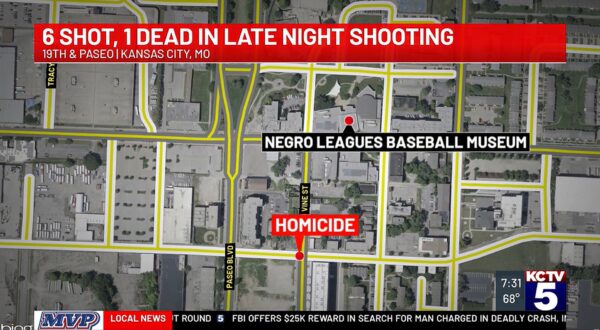
In Kansas City, six people were shot and one man was killed at the Juneteenth party after security went home for the evening.
In Chicago, there was a mass shooting at the festivities that wounded 14 people. Over the entire weekend, blacks shot eight people dead and wounded another 25 people.
There were other pockets of Juneteenth trouble — this is Tulsa, Oklahoma — that weren’t important enough to make the news.
Cities know very well what’s coming, but can’t control despite the crowds despite putting police everywhere. Some towns just give up. “Mount Holly, NJ cancels 2026 Independence Day celebration citing security concerns.”
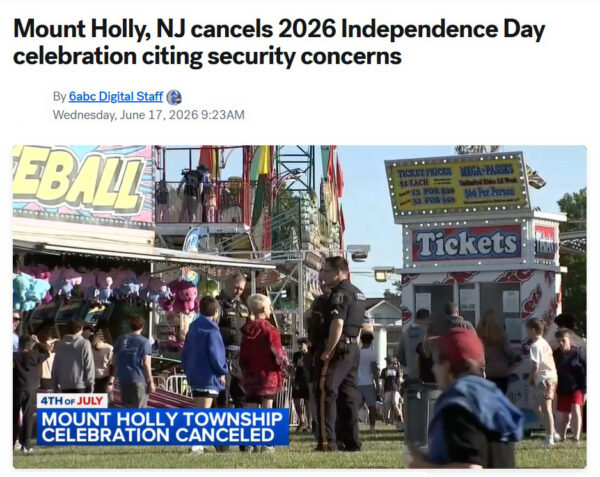
The annual event was supposed to be extra special for the 250th, but the township couldn’t risk a teen takeover.
Juneteenth violence is so common it’s almost boring. This was more interesting. Black children happily beating a Klansman piñata. It’s nice to see our black brothers teaching children goodwill and reconciliation.
The most important thing about Juneteenth, though, is that blacks get to glory in the thing they’re proudest of: They were slaves! And they’ll never let us forget it. They will nurse this grievance — this hatred — and torment us for as long as spineless whites fall for their swindles.
Here’s Juneteenth in Jefferson, Georgia with black women pretending to be slaves picking cotton.
In Atlanta, blacks dressed in rags first marched out as slaves and then marched back in free.
Juneteenth has crossed the Atlantic. Ghanaians reenacted a slave sale with whip-wielding masters and wailing women. The costume drama ended with a stern call for reparations. No mention, of course, that it was Africans who caught the slaves and whites who forced abolition on reluctant Africans who had practiced slavery for millennia.
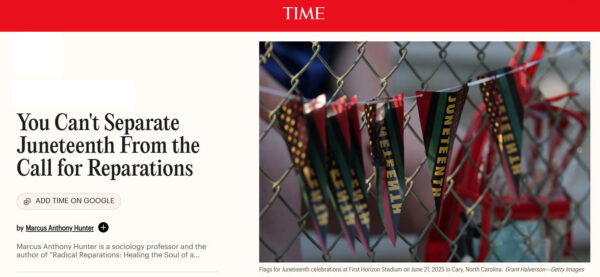
And since Juneteenth is about slavery, as Time pointed out this year, “You Can’t Separate Juneteenth From the Call for Reparations.”
No, you can’t. You get enough young blacks and they fight. You get enough older blacks and they start counting their millions. The ultimate swindle. “Amid Juneteenth celebrations, NJ advocates press for reparations.”
As activist Jean-Pierr Brutus explains, “We are living in a world made by slavery. And we want to live in a world made by reparations.”
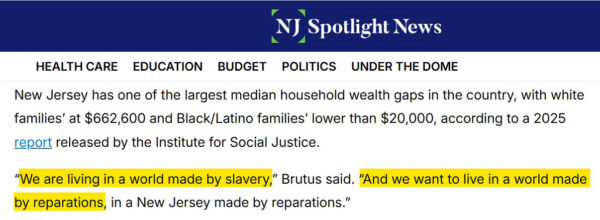
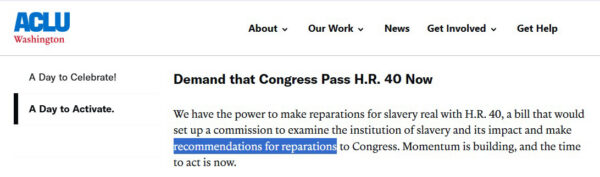
Everything including high-school essay contests, museum exhibits, and even the Washington State ACLU made Juneteenth a day to push for reparations.
This man understands the holiday perfectly. It’s a holiday for blacks to take the day off, while whites slave at their jobs earning money to hand over for “our reparations.”
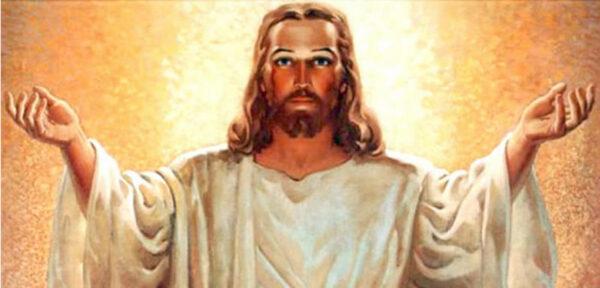
But it goes farther than that. We already had MLK Day, to remind white people how awful they are and that blacks are top priority. Martin Luther King and Jesus Christ are the only figures in history so important that the country takes the day off to celebrate their birthdays.
But that wasn’t enough, so in 2021, we got Juneteenth to put the Fourth of July in the shade. I bet you didn’t know that the official name of the holiday is Juneteenth National Independence Day.
When it was first celebrated, Time magazine explained that “Juneteenth’s Vision of Freedom Expresses American Values Better Than the Fourth of July’s.”
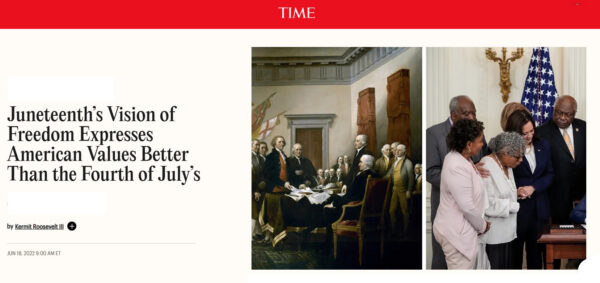
Obviously. Look at all those old white July-Fourth guys compared to the people clustered around Joe Biden as he signed the law for the new holiday. Freeing slaves was more important than founding the country.
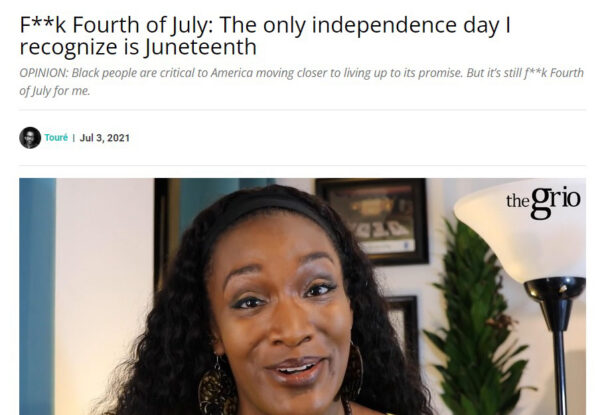
The black website The Grio understands this: “F**ck Fourth of July: The only Independence Day I recognize is Juneteenth.”
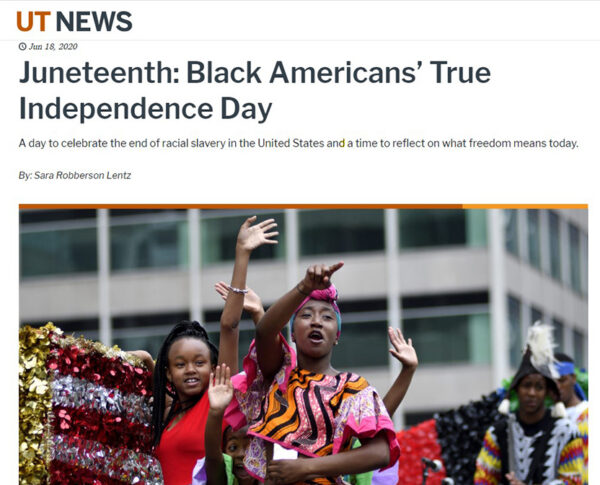
The University of Texas put it more gently: “Juneteenth: Black Americans’ True Independence Day.”
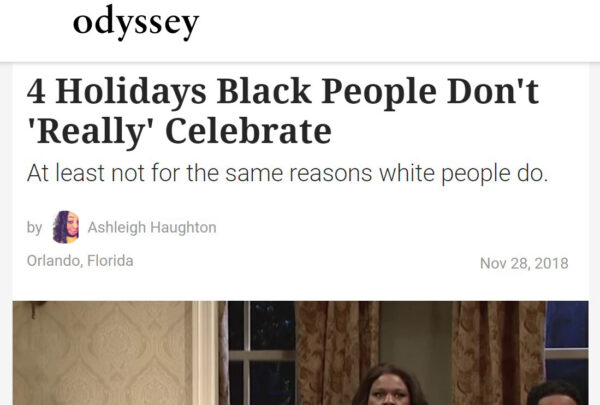
The popular website Odyssey listed the “4 Holidays Black People Don’t ‘Really’ Celebrate,” and ranked July Fourth number one.
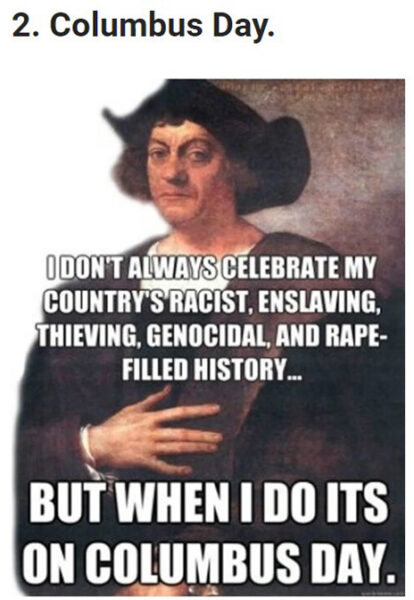
Number two was Columbus Day. “I don’t always celebrate my country’s racist, enslaving, thieving, genocidal, and rape-filled history, but when I do, it’s on Columbus Day.”
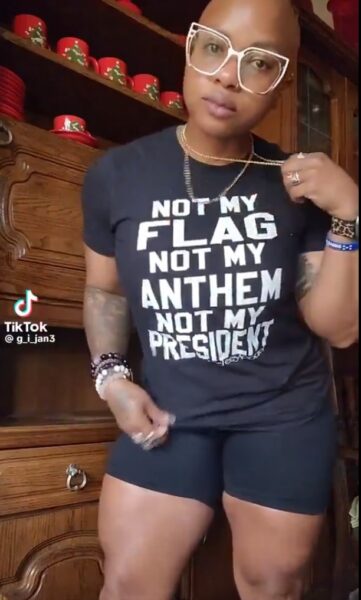
This woman gets it. “Not my flag, not my anthem, not my president.”
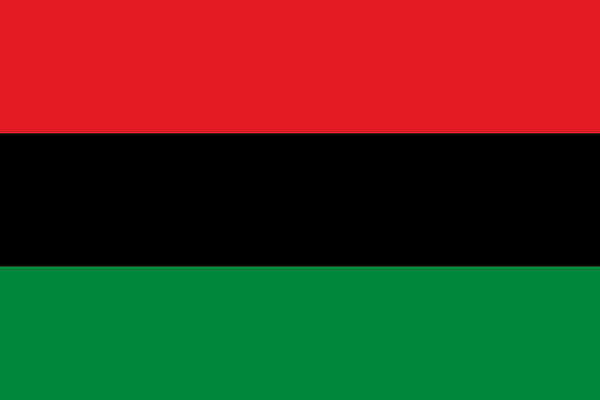
Her flag is probably the red, green, and black Marcus Garvey, back-to-Africa flag.
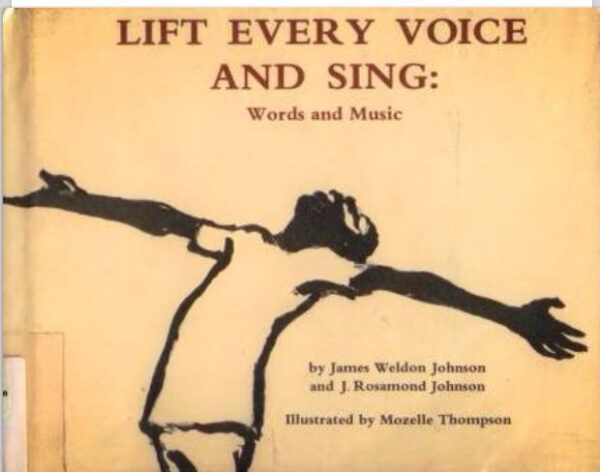
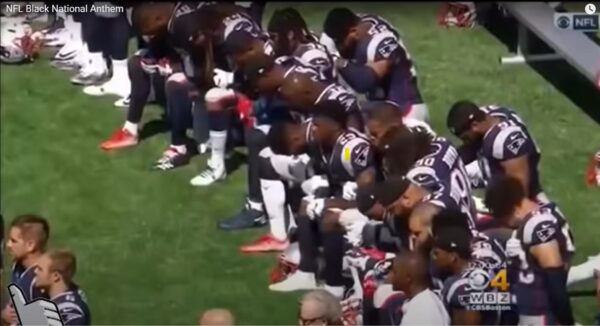
And “Lift Every Voice and Sing” is the black national anthem, which the NFL obligingly plays for blacks at Super Bowls and season-openers.
Blacks have their own pledge of allegiance, which is only right because, as the Washington Post explained in an article on “The Ugly History of the Pledge of Allegiance,” it “was, at its core, designed as an instrument of white nationalism.”
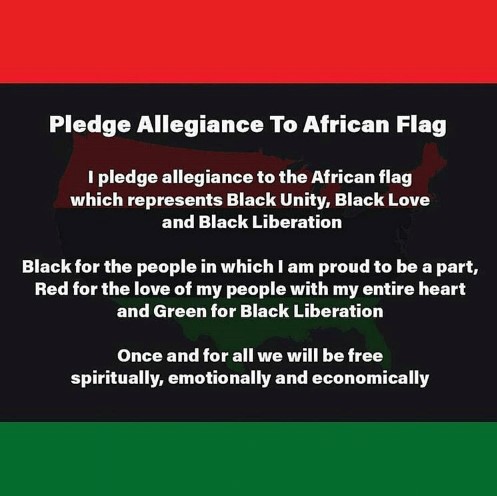
As the years go by, blacks clearly feel less American and more part of their own nation, with its own flag, anthem, and pledge. But this is phony, parasitic nationalism: all the symbols and swagger, but not one of the responsibilities.
Do blacks really want autonomy the way African colonies wanted independence? I’d be happy to give it to them. They can celebrate Juneteenth every day if they like, but they’d have to police their own streets, educate their children, keep the sewers working, pay their own way — and leave us alone.
The post What Is Juneteenth For? appeared first on American Renaissance.
American RenaissanceRead More




 T1
T1