As Epstein Brokered Rothschild Bank Deals, DEA Ran Secret Probe Into $50M Laundering Scheme
A newly uncovered DEA document from the DOJ’s Jeffrey Epstein files release reveals that Epstein was the subject of a secret, 5-year investigation by the Drug Enforcement Agency (DEA) on suspicions of laundering approximately $50 million through a web of illicit drug and prostitution networks – yet federal prosecutors pursuing his 2019 trafficking case had no idea.
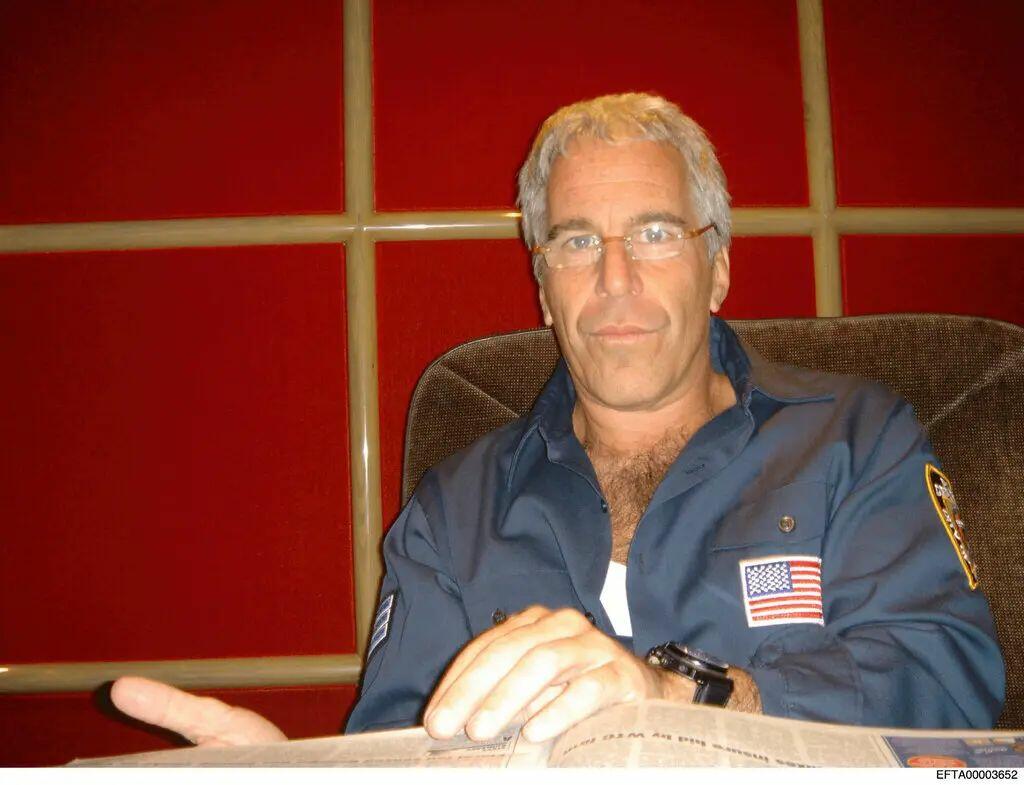
The DEA investigation, code-named “Chain Reaction,” was launched by the DEA’s New York office on December 17, 2010, and targette4d Epstein (listed as “Target 4”) – as well as 14 other individuals whose names have been redacted. Chain Reaction focused on “illegitimate wire transfers” suspected of funding “illicit drug and/or prostitution activities” in New York City and the US Virgin Islands, where Epstein owned his notorious Little St. James island.
Drawing from a multi-agency dragnet – including the DEA, FBI, ICE, CBP, FinCEN, and others – the memo compiles biographical data, border crossings, criminal histories, and financial red flags. It reveals roughly $50 million in suspicious transactions from 2010 to 2015, routed through accounts in Switzerland, France, the Cayman Islands, and New York. Epstein himself was flagged in seven Unified Suspicious Activity Reports (USARs) totaling $5.67 million, eight Currency Transaction Reports (CTRs) amounting to $233,397, and three Unified Currency Transaction Reports (UCTRs) for $102,648 – some conducted on his behalf by associates.
The memo also reveals overlapping investigations, including an ICE case in West Palm Beach (2006–2008), a Las Vegas ICE probe (opened 2009, pending in 2010), a Paris-based ICE “Operation Angel Watch” (2013), and an FBI case from 2006 still active in 2015.
The redacted targets include individuals with ties to prostitution (e.g., a Polish fashion model linked to $2 million in transfers) and businesses like SLK Designs LLC (a fashion entity run by Epstein associates) and Hyperion Air Inc. (his aircraft holding company). Epstein’s border crossings (e.g., frequent flights between JFK and Paris’s Charles de Gaulle in 2014) and communications (phones, emails) were tracked.
The memo expands Epstein’s crimes beyond sex trafficking, suggesting a syndicate blending prostitution with potential narco-finance. Redacted associates handled transactions “on behalf” of Epstein, and businesses like SLK Designs appear tied to UCTRs involving negotiable instruments. Little St. James – Epstein’s “Pedophile Island” – is fingered as a hub, aligning with survivor accounts of exploitation.
Timeline of Key Probes:
- 2006: FBI opens investigation (still active in 2015).
- 2006–2008: ICE West Palm Beach case.
- 2009: ICE Las Vegas probe opens.
- 2010: DEA “Chain Reaction” begins.
- 2013: ICE Paris “Operation Angel Watch.”
- 2015: OCDETF memo compiled.
- 2019: SDNY sex-trafficking charges (unaware of DEA).
Elite Banking Ties: From Rothschilds to Qatar’s KBL Lux JV
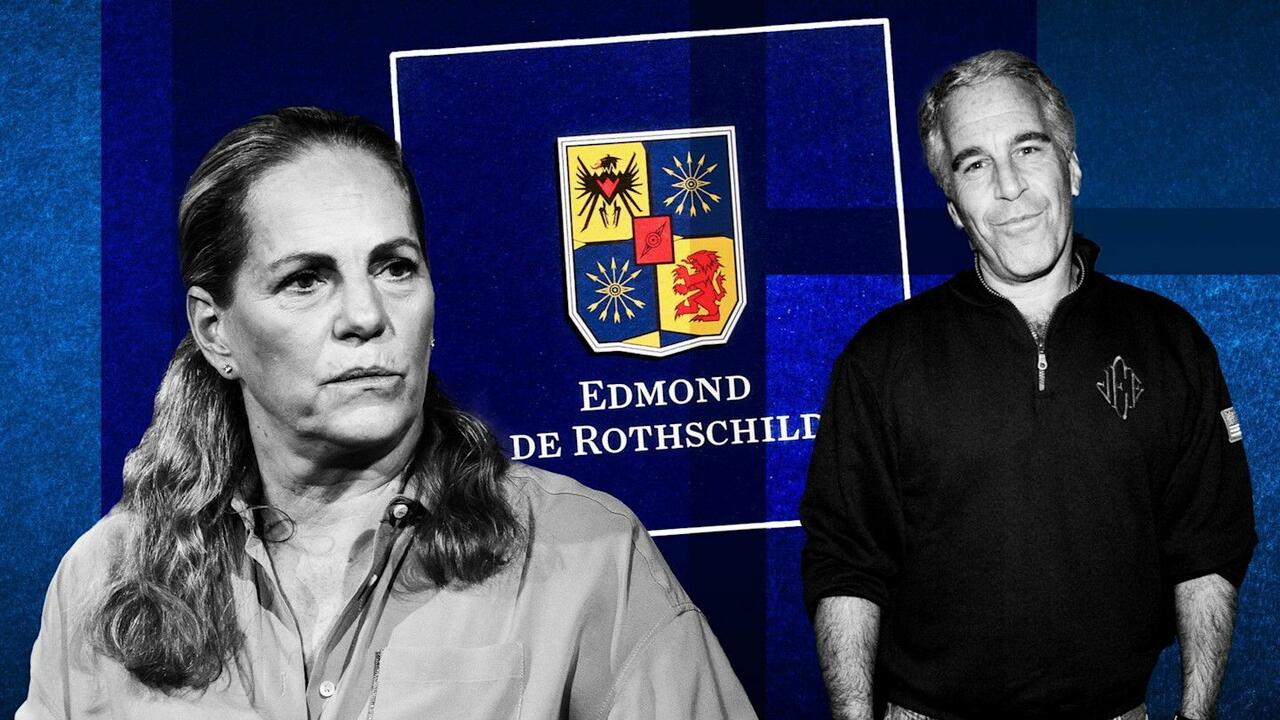
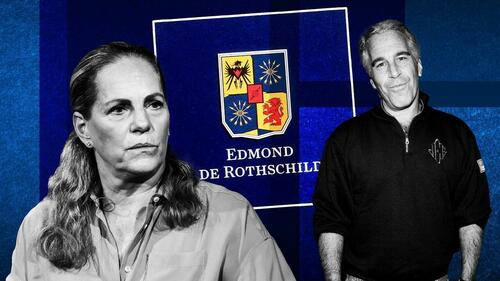
Epstein repeatedly held himself out to people as a representative to the Swiss-based Edmond de Rothschild Group, led by Ariane de Rothschild at the time. Emails reveal that Ariane met with him dozens of times between 2013 and 2019, stayed at his properties, sought his advice on family feuds (e.g., with cousin David de Rothschild over branding), and listened to geopolitical advice such as how to profit from the 2014 Ukraine coup. For his services, the Rothschilds paid him $25 million in two payments roughly one month apart in October and November of 2015. Epstein introduced her to lawyers like Obama White House counsel Kathy Ruemmler, and pursued funding for Israeli cyber firms (e.g., via Ehud Barak). Last week, former Victoria’s Secret boss Les Wexner testified under oath that he only trusted Epstein due to his work for the Rothschilds in France.
It’s Fine…
And what happened in December of 2015, after the Rothschilds wired Epstein $25 million? The bank reached a non-prosecution agreement with the Obama DOJ on December 18, 2015 amid a DOJ investigation under the “Swiss Bank Program,” which targeted banks for aiding U.S. tax evasion through undeclared accounts. The bank ended up paying a $45.2 million penalty (including fines and forfeitures) as part of a non-prosecution agreement.
Behind the scenes, the group’s French chief, Ariane de Rothschild, had tasked Jeffrey Epstein and the lawyer he had introduced her to, Kathy Ruemmler, with closing the deal.
“45 mio [million]?” de Rothschild asked Epstein in a December 2015 email exchange. He replied that, counting a $10mn fee for the lawyers involved and $25mn for him, “I think you will find that . . . all less than 80 pretty good”. “Deep thks for your amazing help,” de Rothschild answered. -FT
Specific allegations against Edmond de Rothschild included knowingly assisting U.S. clients in concealing assets (with an aggregate maximum balance of about $1.8 billion in undeclared accounts), using sham offshore entities in jurisdictions like Liechtenstein, Panama, and the British Virgin Islands to hide ownership, and facilitating cash movements or other methods to evade IRS detection. The bank admitted it was “highly probable” that some American accountholders were non-compliant with U.S. tax laws, and it encouraged clients to use structures that obscured true beneficial ownership. This investigation stemmed from broader U.S. efforts post-2009 UBS scandal (where UBS paid $780 million), which exposed systemic issues in Swiss banking secrecy aiding tax evasion.
Tangled Web of Who’s Who
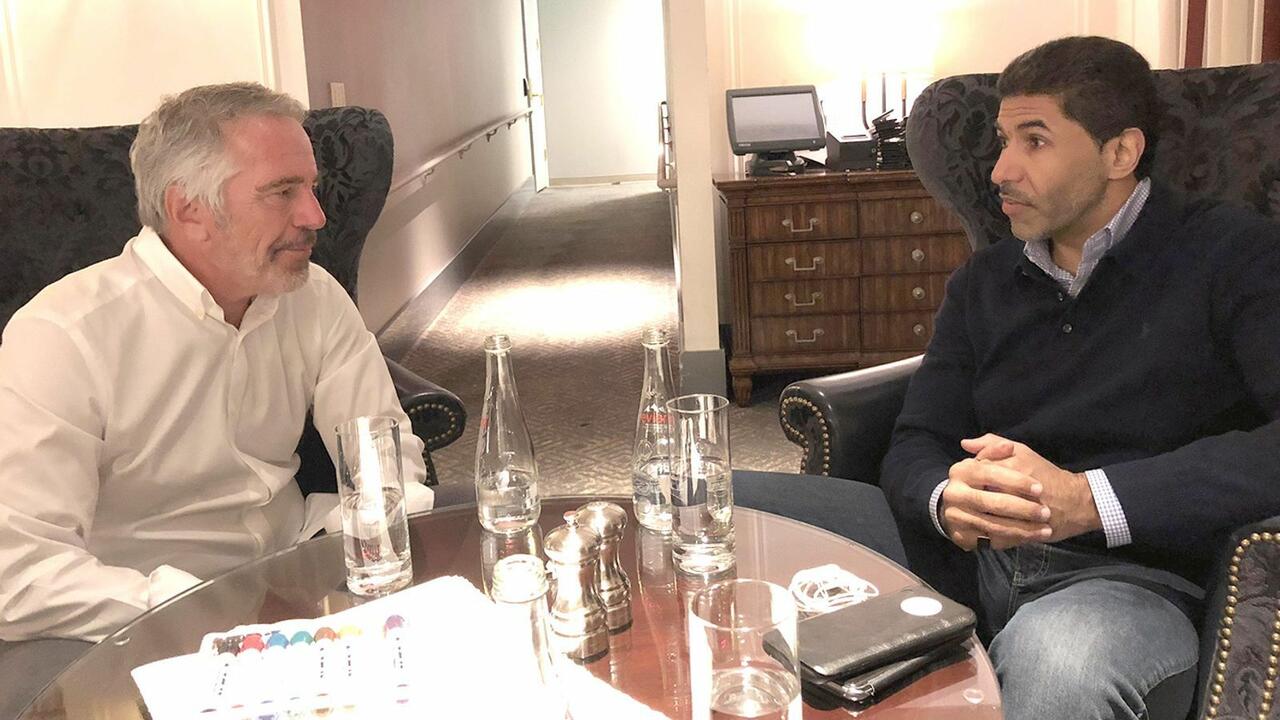
While the DEA was digging into shady wire transfers, Epstein was moonlighting as a high-society financial fixer. Emails from the DOJ’s Epstein files (DataSet 9) show him brokering a 2013–2015 joint venture between Qatar-owned KBL European Private Bankers (Luxembourg) and the Edmond de Rothschild Group’s Swiss operations. Epstein pitched the deal to Qatari royalty – Sheikh Jaber Al Thani, boasting of his Rothschild representation, though the deal never materialized.
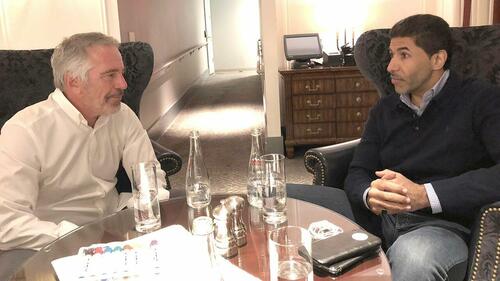
True: here is Epstein trying to convince Qatar’s Jaber al-Thani (via his nephew Jabor) to JV his Luxembourg bank KBL with Rothschild’s Swiss bank https://t.co/YAqrQGOMtD pic.twitter.com/mmpQdljzKZ
— zerohedge (@zerohedge) February 20, 2026
Here are other notable individuals and deals Epstein was involved in while also under DEA investigation:
Peter Thiel
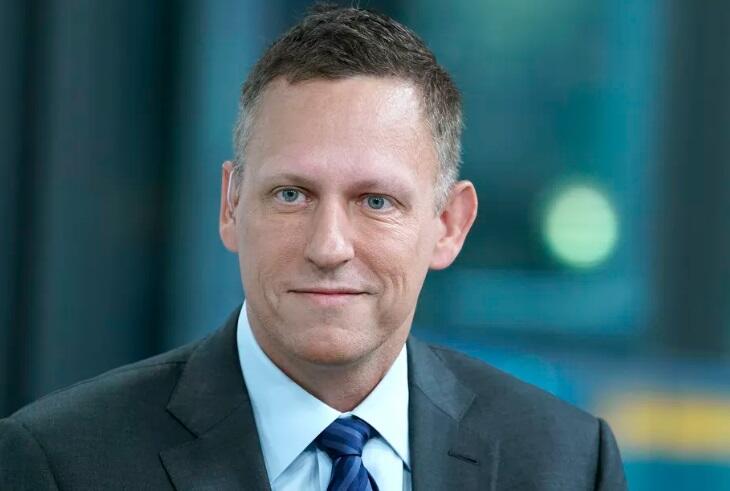
Epstein and tech billionaire Peter Thiel had a multi-year relationship starting around 2014, involving at least eight meetings and over 2,000 emails. Epstein invested $40 million in Thiel’s Valar Ventures fund (backing international startups like Wise and Xero) in 2015–2016. Their correspondence often covered shared interests like tax avoidance (e.g., Thiel’s Roth IRA ballooning to over $2 billion) and anti-globalization views (e.g., celebrating Brexit as a “return to tribalism”). Epstein also used Thiel as a sounding board for other deals, including emergency-services tech startups and connections via former Israeli PM Ehud Barak
In one Feb. 28, 2016 email to Peter Thiel, Epstein sought inroads for “the bank that has 160 b in mgmt’ – which has the ‘best client list in the world.’
Brian Armstrong
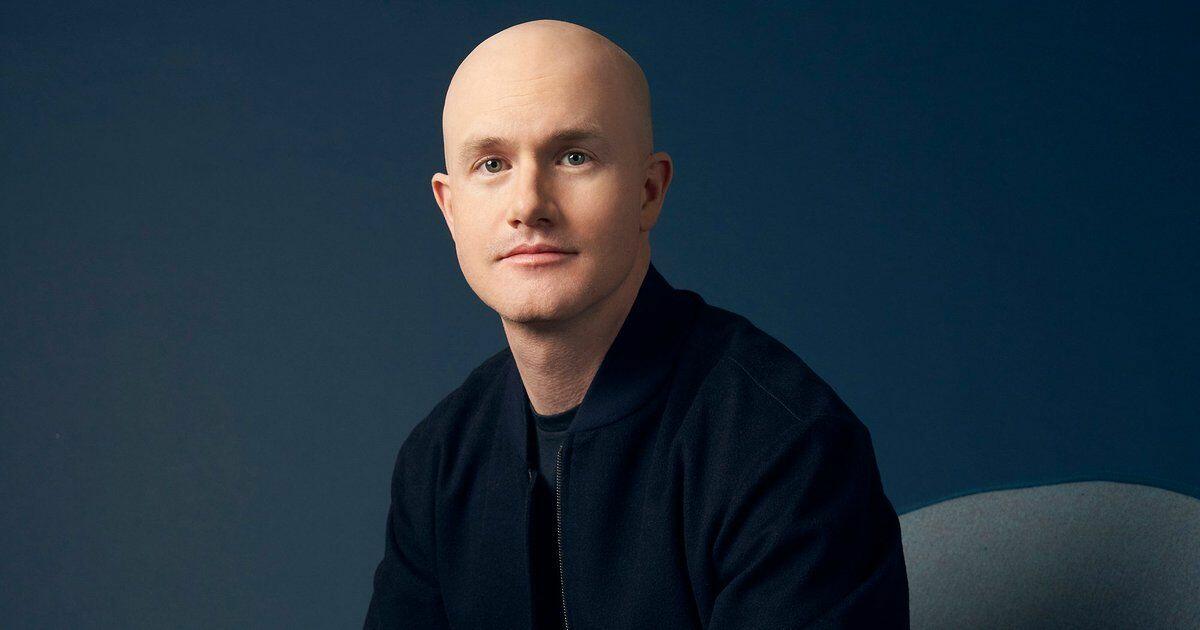
One of Epstein’s notable tech investments during this time was in Coinbase, the prominent cryptocurrency exchange, where in 2014 he directly invested in the company at an early stage through one of his entities, committing approximately $3 million when Coinbase’s valuation was around $400 million, a move that aligned with his growing interest in emerging fintech and proved successful as he later sold half of his stake for $15 million in 2018, with the total return escalating to over $30 million by the time of his estate’s valuation in 2026, making it one of his few profitable ventures in the Silicon Valley space that showcased his access to startup opportunities amid the DEA’s probe into his broader financial dealings.
Leon Black
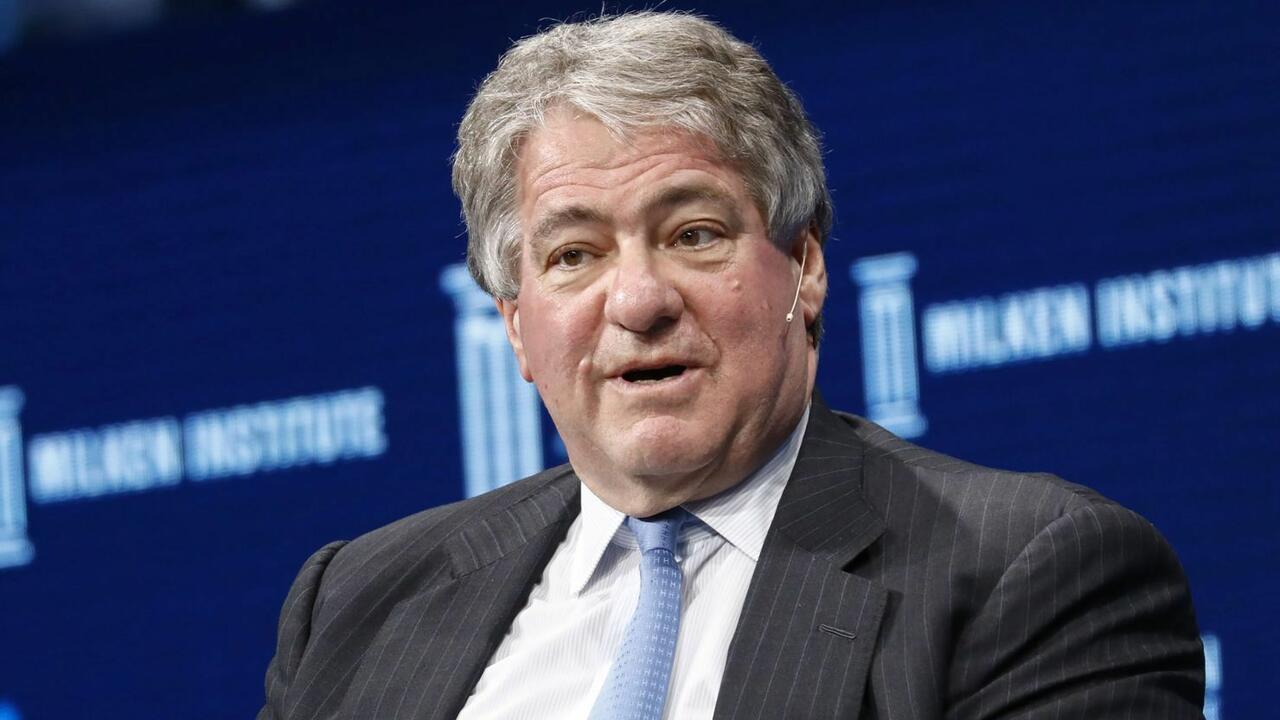
Epstein’s involvement in the art world intersected with his advisory role for billionaire Leon Black, particularly in orchestrating the 2015 acquisition of Pablo Picasso’s 1931 sculpture Buste de Femme (Marie-Thérèse), where acting as Black’s tax and estate strategist he helped structure the $106 million-plus deal with Black’s Narrow Holdings LLC purchasing the work from Maya Widmaier-Picasso via intermediary Larry Gagosian, involving over $86 million in wires from May to October 2015 routed through European banks like Banque Leonardo in France amid a legal dispute with Qatari buyers, during which Epstein demanded detailed wire records under joint defense privilege, ultimately succeeding with Black retaining ownership after a 2016 settlement as part of Epstein’s broader management of Black’s $2.7 billion collection that coincided with DEA-flagged transfers and Black’s $50 million-plus payments to Epstein that year.
Larry Gagosian
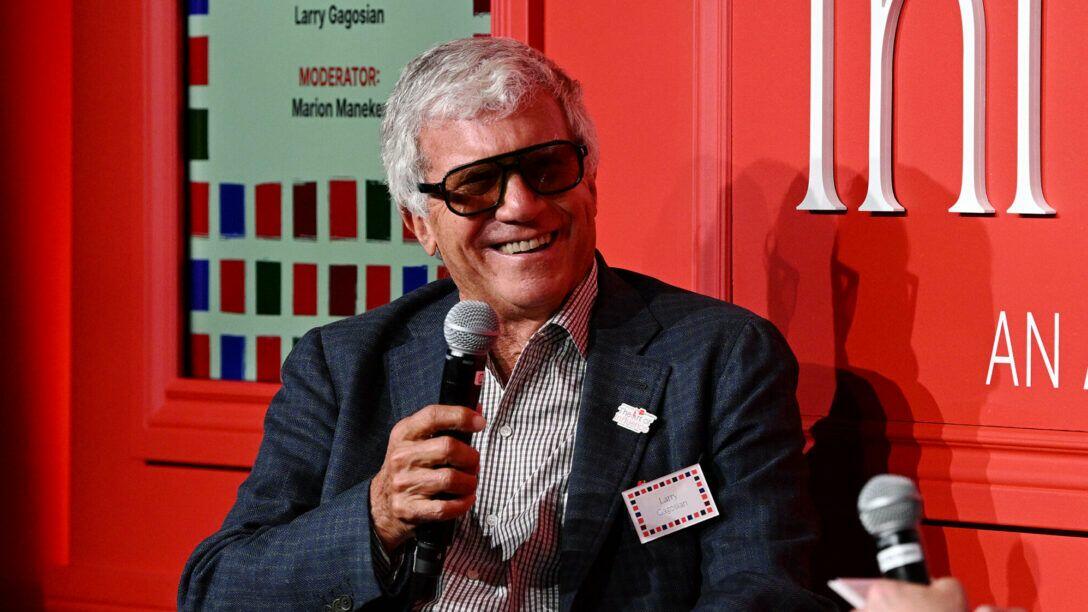
On the other side of the Buste de Femme (Marie-Thérèse) deal was art dealer Larry Gagosian, who acted as the intermediary in the $106 million-plus deal, purchasing the work from Maya Widmaier-Picasso and selling it to Black’s Narrow Holdings LLC amid a legal dispute with Qatari buyers, with emails showing Epstein’s active role in scrutinizing wire transfers and demanding details under joint defense privilege during the height of the DEA investigation.
Ehud Barak
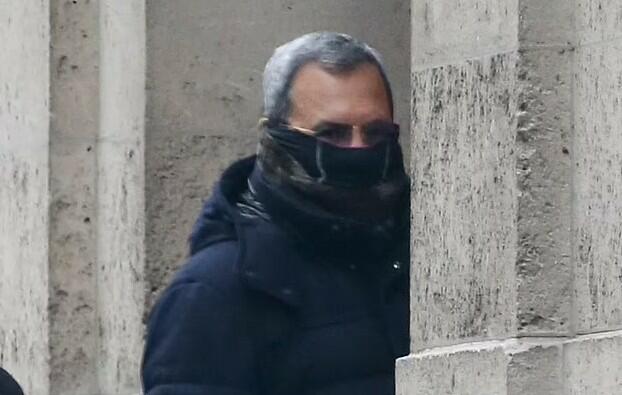
Epstein also ventured into Israeli security technology by investing in Carbyne (formerly Reporty), a surveillance and emergency-response startup chaired by former Israeli Prime Minister Ehud Barak, committing an undisclosed amount reportedly around $1–2 million from 2014 to 2015 while attempting to introduce Barak to Peter Thiel for additional funding, with the company raising $16 million overall during this period as Epstein’s stake became part of his pattern of pursuing global tech deals with intelligence ties including potential Russian connections, proving successful in terms of his investment and highlighting his networked approach to opportunities that blended tech and geopolitics.
Sergey Belyakov
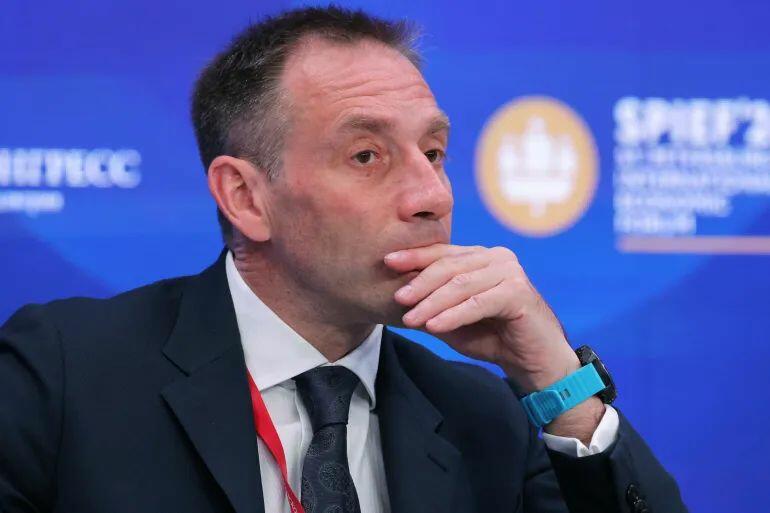
On the geopolitical front, Epstein explored Russian investment opportunities through contacts like Sergey Belyakov, a Russian government official, where between 2014 and 2015 Belyakov pitched Epstein on attracting foreign capital to Russia such as at the St. Petersburg International Economic Forum while Epstein sought assistance with visas and deals. Epstein also asked Belyakov for help resolving an extortion attempt by a Russian woman targeting a “powerful” businessman in New York – for which Epstein was provided detailed intelligence on the woman which may tie into some of the prostitution and money laundering risks being investigated by the DEA.
Hosain Rahman
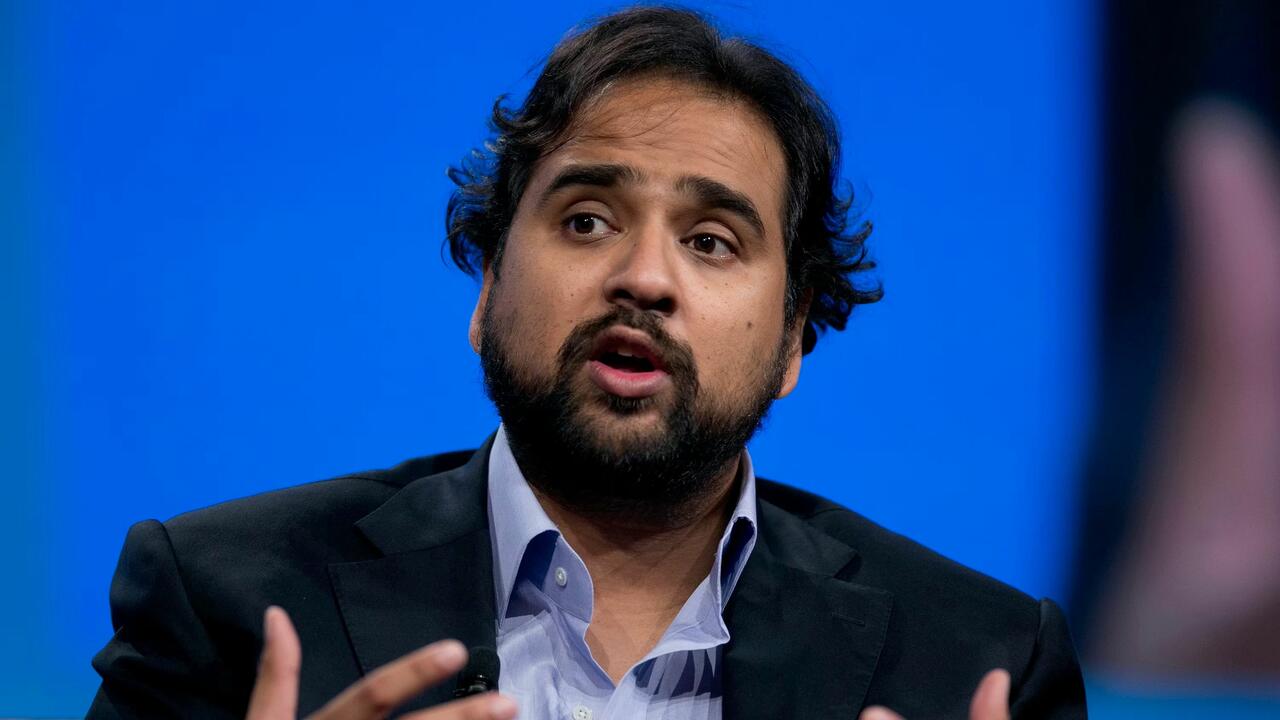
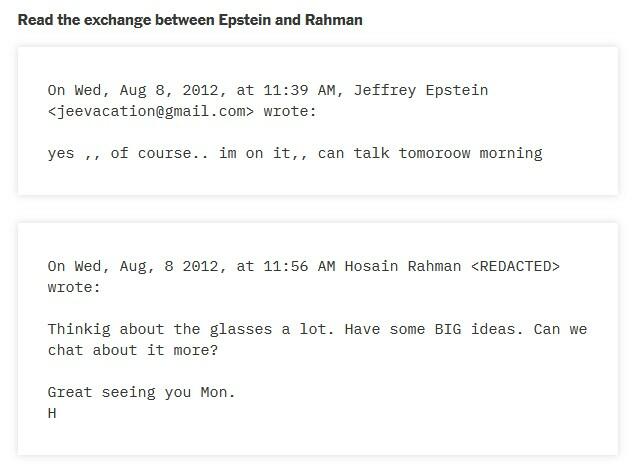
In consumer tech, Epstein backed Jawbone, the fitness tracker and headset startup led by CEO Hosain Rahman, with his investment occurring sometime between 2010 and 2015 though exact details are murky, fitting his broader Silicon Valley plays but ultimately failing when the company liquidated in 2017 and resulting in a total loss for his stake.
In 2012, Ian Osborne, an adviser to executives and political figures, reconnected the pair and encouraged Mr. Epstein to invest in Jawbone. When Woody Allen was filming “Blue Jasmine” in San Francisco, Mr. Epstein invited Mr. Rahman to visit the set, where Mr. Epstein showed off a pair of high-tech eyeglasses. -NYT
Paul Tudor Jones
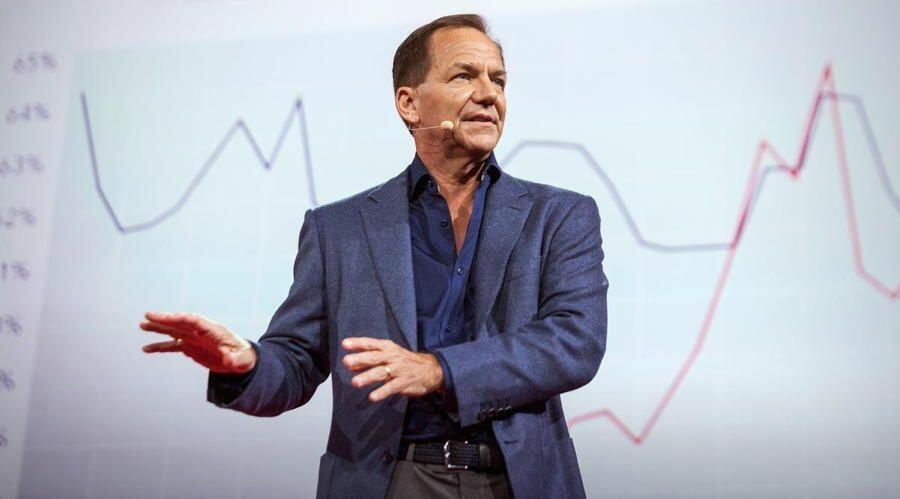
Epstein also engaged in a hedge fund transaction with Paul Tudor Jones, the renowned manager of Tudor Investment Corporation, where during the 2010–2015 window Epstein received $13.5 million from Jones’ fund with the nature of the payment unclear possibly a return on investment or advisory fee, as part of Epstein’s involvement in high-finance circles that surfaced in post-death estate reports and potentially tied into the opaque transfers under DEA scrutiny.
Honeycomb Partners
Finally, Epstein facilitated a significant fund transfer into Honeycomb Partners, moving at least $60 million into this private investment vehicle sometime before 2015, with the assets successfully transferred and valued at over $60 million though the fund’s opacity could have intersected with the DEA’s investigation into Epstein’s illegitimate wire activities.
George Bush / Bill Clinton – that whole Haiti thing
Epstein’s connections even extended to former U.S. President George W. Bush during the 2010-2015 period, notably through his role in coordinating private jet logistics for Bush and Bill Clinton’s joint humanitarian trip to Haiti in March 2010 following the devastating earthquake. You know, the one where a woman named Laura Silsby – who showed up in the Clinton emails – was busted trying to smuggle 33 children out of the country without proper exit documentation. The case gained notoriety due to diplomatic interventions by the U.S. government under Secretary of State Hillary Clinton. Bill Clinton, as UN special envoy to Haiti, visited the smugglers and advocated for their release, emphasizing humanitarian intent amid the earthquake chaos. Hillary’s State Department monitored the case closely, with cables (later leaked via WikiLeaks) showing efforts to expedite trials and releases.
Interesting, Silsby’s original lawyer, Jorge Puello, was arrested in March 2010 as part of an investigation into an international human trafficking ring following an investigation being led by U.S. Immigration and Customs Enforcement (ICE) and Homeland Security Investigations (HSI) in connection with the ring – and served just three years in federal prison for “alien smuggling.”
Tyler Durden
Tue, 02/24/2026 – 13:20ZeroHedge NewsRead More








 T1
T1