Only 10% of aboriginals voted in South Australia’s First Nations Voice election, six female delegates were elected unopposed because of gender quotas, and two more won seats despite getting just 15 primary votes each.
The advisory body, which is entitled to give advice to parliament on new legislation and costs about $2.5 million a year, was introduced by the Labor government in 2023 and held its first election in 2024, but both the Liberal Party and One Nation have vowed to repeal it.
One Nation’s South Australian leader and newly elected upper house MP Cory Bernardi said the 2026 results showed the Voice should be scrapped, and were “proof that even indigenous people don’t support it”.
“These numbers are just embarrassing. It’s all nonsense,” Mr Bernardi told The Australian.
“You’ve got a race-based election where even the people who are meant to be voting for it don’t vote for it. It is everything that’s wrong with politics and policy today, with no demonstrable outcomes from what is simply trendy nonsense. What is it meant to be achieving?”
Mr Bernardi campaigned strongly against the Voice, and at a press conference earlier this week said One Nation was committed to reducing the cost of government services, including “follies like the hydrogen project or the Voice to Parliament”.
A total of 64 candidates ran for 46 delegate seats across six districts, down from 113 in 2024. An estimated 32,000 indigenous people were enrolled to vote as of June 2025.
In the Far North Voice, just 229 people voted, resulting in two delegates being elected with just 15 votes each, and two more with 23 votes each.
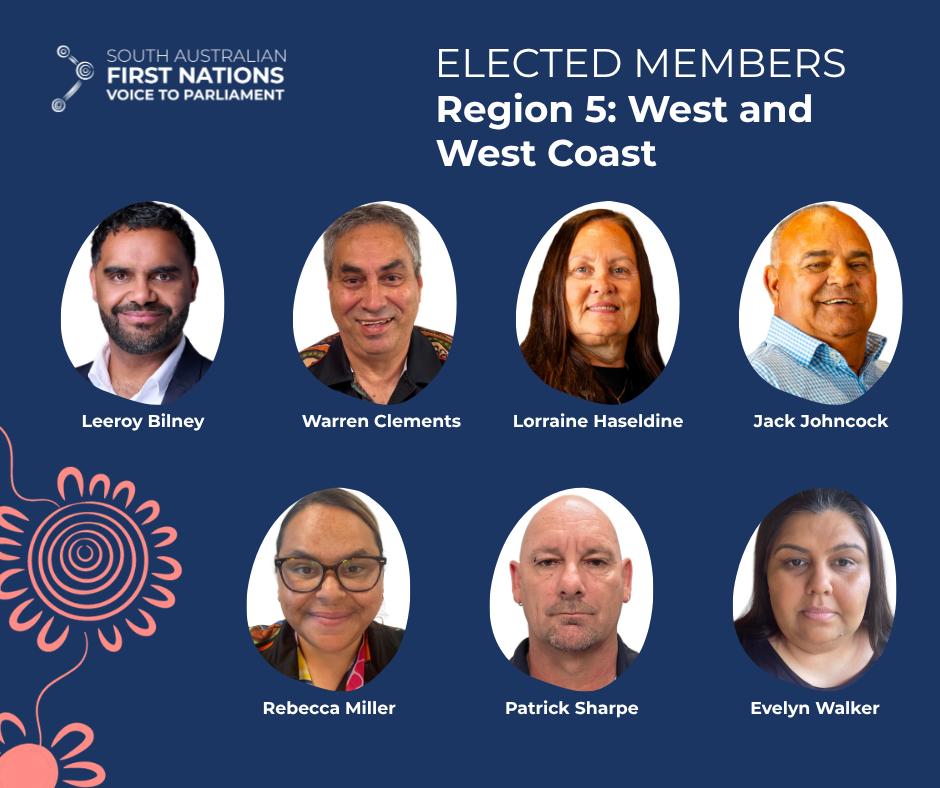
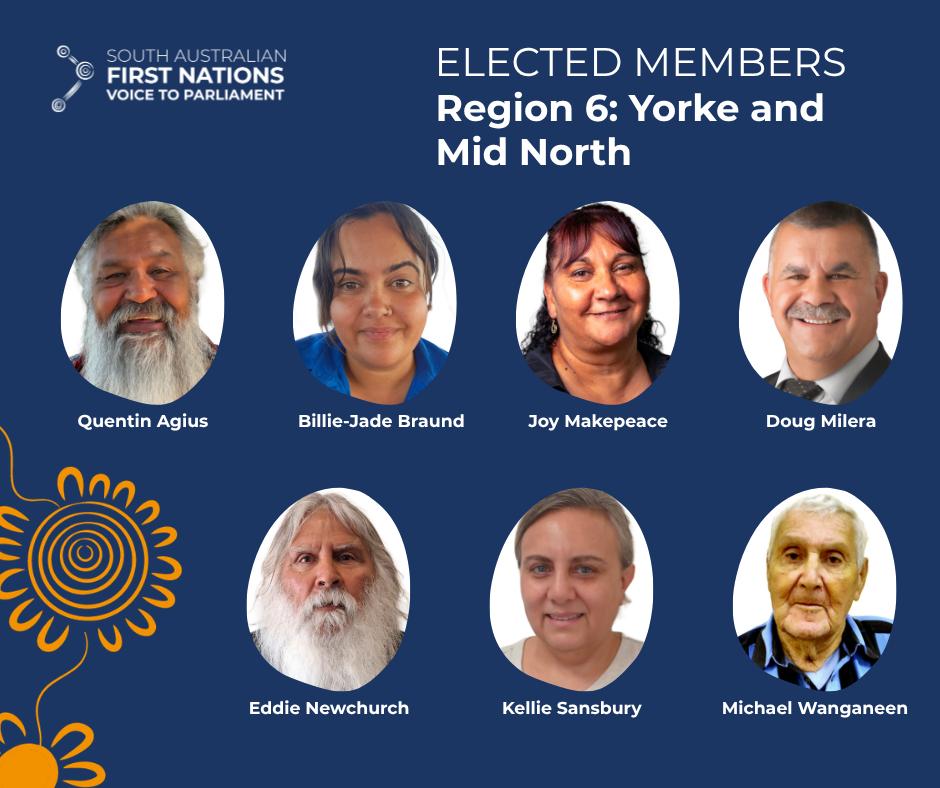
In the West and West Coast Voice and the Yorkes/Mid North Voice, all six female candidates were elected unopposed as each regional Voice must reserve three positions for women.
Unlike Victoria’s Treaty and Prime Minister Anthony Albanese’s failed federal Voice to Parliament, the South Australian version is not enshrined in the Constitution, and Attorney-General Kyam Maher defended the advisory body, saying it was saving the state money and doing nothing but giving direct advice.
Mr Maher described the increase in turnout from 2,583 votes cast in 2024 to 3,308 this year as a “significant jump”, and said holding it at the same time as the state election could have been a factor in aboriginal people not voting.
“We know there are some challenges, it’s a voluntary vote, and we know that there are also a lot of aboriginal and Torres Strait Islander people who don’t vote at the same rate as the broader population,” Mr Maher said.
“Having the Voice elections on at the same time as the state election might have meant the Voice wasn’t front and centre in the minds of some voters. I’ve also had a fair bit of feedback about the problems at polling booths with obstacles and delays also being a factor and now the subject of the independent inquiry.”
The Voice was expected to cost $10.3 million during its first four years, according to state government budget estimates made when it was established in 2023.
Header image: Voice Presiding Member Leeroy Bilney (SA First Nations Voice).
The post Just 10% of aboriginals voted in South Australia’s indigenous Voice election first appeared on The Noticer.
The NoticerRead More








 T1
T1